'Availability of Cucumbers Was Occasionally Tight'
Why It Matters
Tight cucumber supplies and rising prices affect grocery margins and food‑service planning, signalling broader vulnerability in European fresh‑produce supply chains.
Key Takeaways
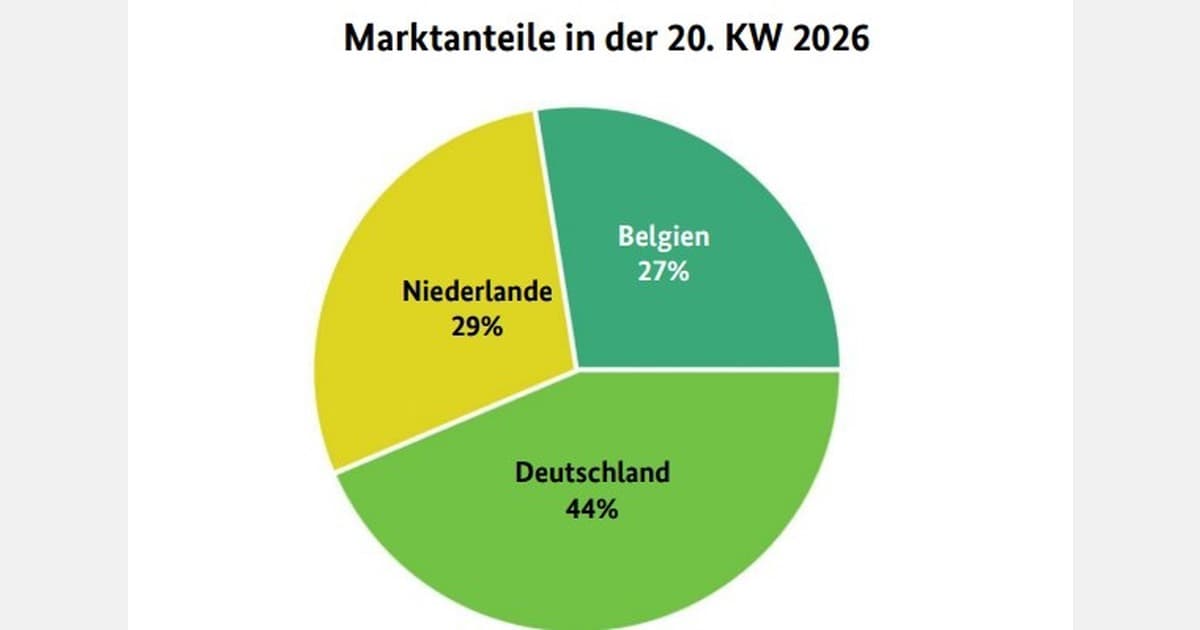
- •Domestic cucumbers held 44% market share in Germany, 2026 week 20
- •Dutch and Belgian imports together accounted for 58% of total volume
- •Weather‑related shortages pushed cucumber prices up across German retail
- •Retailers reserved loads, limiting supply for food‑service channels
- •Despite higher prices, overall cucumber market remained stable
Pulse Analysis
The German cucumber market in early 2026 illustrates how seasonal weather patterns can reshape supply chains across Europe. Domestic production still commands the largest slice—44% of the volume in week 20—while the Netherlands and Belgium together supply roughly 58% of the remaining cucumber flow. Unseasonably wet conditions in key growing regions curtailed yields, prompting traders to allocate a portion of each load to large food‑retail chains. This reservation strategy, combined with limited foreign shipments, tightened overall availability and set the stage for price adjustments.
Price pressure manifested as modest but consistent increases across the German retail spectrum. With fewer cucumbers reaching the market, retailers passed higher procurement costs onto consumers, prompting deeper pockets despite the product’s staple status. Yet the market’s underlying stability persisted; demand remained elastic enough that the price hikes did not trigger a sharp drop in sales volume. For food‑service operators, the constrained supply forced menu planners to reconsider portion sizes or source alternative varieties, underscoring the ripple effect of a seemingly narrow commodity squeeze.
The cucumber squeeze offers a micro‑cosm of broader trends affecting European fresh produce. Similar weather‑driven constraints are emerging for tomatoes, peppers and lettuce, suggesting that traders may need to diversify sourcing or invest in climate‑resilient cultivars. For import‑dependent markets, the episode highlights the strategic value of maintaining domestic production capacity and flexible logistics. As price signals filter through the supply chain, growers and distributors that can adapt quickly will capture market share, while those reliant on a single source risk marginalisation.
'Availability of cucumbers was occasionally tight'
Comments
Want to join the conversation?
Loading comments...