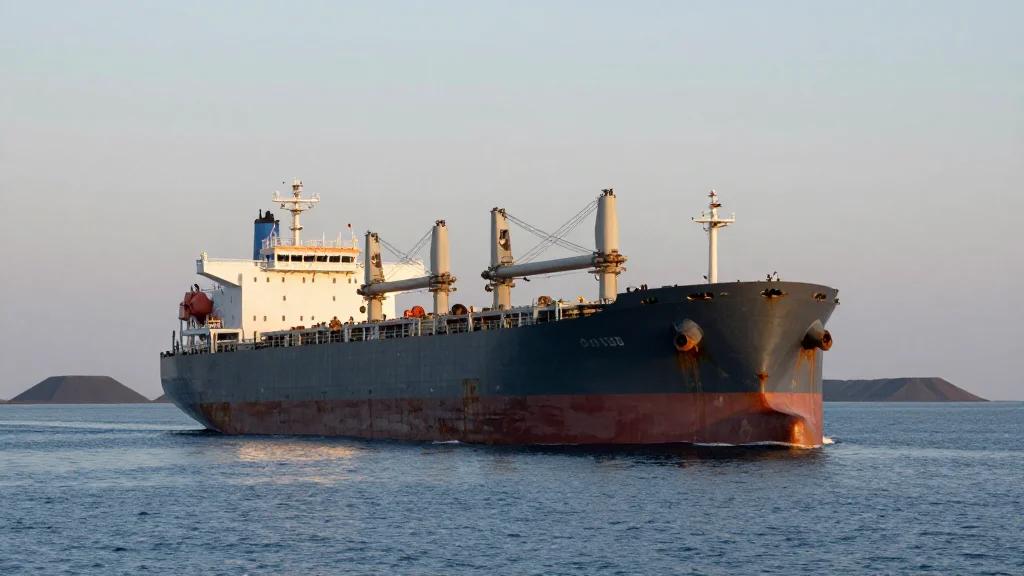
Baltic Dry Index Climbs to 2,991, Highest in Two Years on Capesize Surge

Why It Matters
The spike in dry‑bulk shipping rates directly affects the cost structure of commodities that underpin global manufacturing, construction and energy sectors. Elevated freight charges translate into higher landed prices for iron ore, coal and grain, which can compress profit margins for downstream processors and raise consumer prices for steel, electricity and food products. Moreover, the tightening of vessel supply highlights systemic vulnerabilities in the maritime logistics network, prompting policymakers and industry leaders to reconsider fleet renewal strategies and alternative trade routes. For investors, the Baltic Dry Index serves as a leading indicator of global trade health. A sustained upward trend may signal robust demand for raw materials, supporting bullish outlooks for commodity producers, while also flagging potential cost‑inflation risks for end‑users. Understanding these dynamics is essential for portfolio allocation across mining, energy and agricultural sectors.
Key Takeaways
- •Baltic Dry Index rose 5.6% to 2,991 points, highest since Dec 2023.
- •Capesize vessel demand driven by iron‑ore, coal and grain shipments.
- •Spot charter rates for a 70‑day Capesize voyage now exceed $30,000 per day.
- •Supply constraints stem from delayed shipyard deliveries and accelerated scrapping of ~300 vessels.
- •Higher freight costs could lift steel, energy and food prices globally.
Pulse Analysis
The recent rally in the Baltic Dry Index reflects a classic supply‑demand imbalance amplified by structural shifts in the shipping industry. Over the past two years, shipowners have struggled to replace aging tonnage, while emerging market demand—particularly from China’s steel sector—has surged. This confluence has created a pricing environment where charterers are forced to pay premium rates to secure Capesize capacity, a trend that is likely to persist until new builds enter service.
Historically, spikes in dry‑bulk freight rates have preceded periods of commodity price strength, as higher transport costs are often passed through to buyers. However, the current environment differs because the supply shock is not purely cyclical; it is rooted in longer‑term shipyard bottlenecks and a strategic shift toward greener, more fuel‑efficient vessels that take longer to construct. As regulators tighten emissions standards, the industry may see an acceleration of scrapping older, less efficient ships, further tightening supply.
Looking forward, market participants should monitor three key variables: the delivery pipeline of new Capesize vessels, geopolitical stability in chokepoints such as the Red Sea and Suez Canal, and the pace of global steel production. A smooth rollout of new ships could moderate rates by late 2026, but any disruption—whether from labor disputes in shipyards or renewed conflict in key maritime corridors—could keep the index elevated, reinforcing cost pressures across the commodity supply chain.
Baltic Dry Index Climbs to 2,991, Highest in Two Years on Capesize Surge
Comments
Want to join the conversation?
Loading comments...