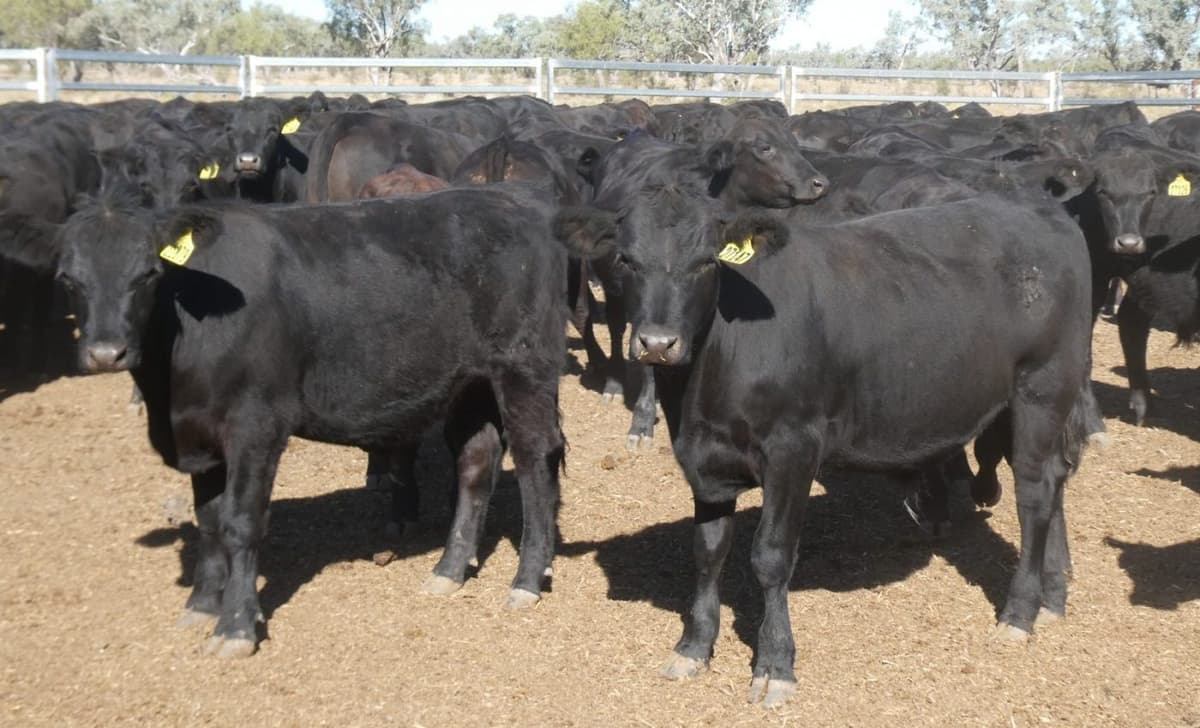
Big 25,180 Head Online Catalogue Includes 61pc From Seasonally-Challenged Northern NSW Region
Why It Matters
The surge in northern NSW listings creates a supply glut that is pressuring cattle prices, signaling tighter margins for producers and a potential shift in export dynamics for the Australian beef industry.
Key Takeaways
- •25,180 cattle listed, 61% from northern NSW.
- •Steer prices rose up to 5.36 AUD/kg (~$0.035 USD/kg).
- •Heifer prices fell 3‑16 c/kg, averaging 398‑433 c/kg.
- •Overall clearance rate dropped to 54%, 19 points lower.
- •Seasonal pressure drives high listings, compressing market liquidity.
Pulse Analysis
The latest AuctionsPlus catalogue underscores a pronounced regional imbalance in Australian cattle supply. Northern New South Wales, grappling with seasonal drought and reduced pasture quality, contributed 61% of the 25,180 head on offer—far above its 36% long‑term average. This concentration of inventory has flooded the market, especially in the 200‑400 kg weight bands, and forced sellers to accept lower clearances. For investors and agribusinesses, the data signals a short‑term oversupply that could ripple through feed‑lot contracts and downstream processing capacity.
Price dynamics this week reveal a divergence between steers and heifers. Steer classes, particularly those weighing 200‑280 kg, posted a 26 c/kg uplift to 536 c/kg (≈$0.035 USD/kg), while the heavier 330‑400 kg segment slipped 37 c/kg to 487 c/kg. Heifers, however, experienced broader declines of 3‑16 c/kg, settling between 398 c/kg and 433 c/kg. These movements reflect buyer caution amid abundant supply and suggest that producers may need to adjust breeding cycles or explore alternative markets to preserve profitability.
Looking ahead, the sustained high listings from northern NSW could influence national export forecasts. Australia’s beef export market, valued at over $30 billion USD annually, depends on competitive pricing and consistent quality. A prolonged domestic price dip may incentivize exporters to seek higher‑margin overseas contracts, but it also risks eroding the price base if global demand softens. Stakeholders should monitor weather patterns, feed costs, and currency fluctuations, as these factors will dictate whether the current supply shock translates into a temporary correction or a longer‑term restructuring of the Australian cattle sector.
Big 25,180 head online catalogue includes 61pc from seasonally-challenged northern NSW region
Comments
Want to join the conversation?
Loading comments...