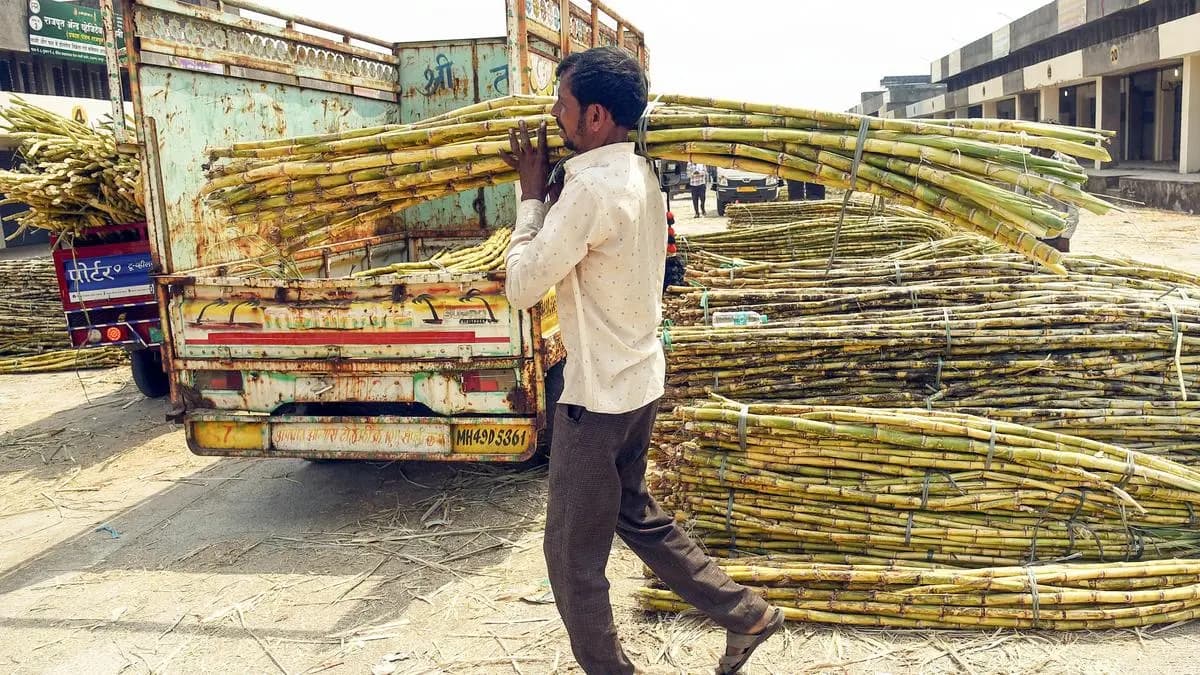
CACP Recommends Revising Ethanol Price in View of Increase in Sugarcane FRP
Why It Matters
Aligning ethanol pricing with sugarcane FRP protects farmer incomes and stabilises the ethanol‑blended fuel market, while dual pricing could improve sugar allocation for industrial demand. The reforms aim to curb factory closures and sustain India’s growing bio‑fuel agenda.
Key Takeaways
- •CACP urges ethanol price hike aligned with ₹10 (≈$0.12) FRP increase
- •Dual‑pricing study proposed as 60‑65% sugar used commercially
- •Over 30% of sugar mills closed in 2024‑25 season
- •High‑Powered Expert Committee to review cane area, revenue sharing
- •Cane‑area reservation criteria to prevent unhealthy factory competition
Pulse Analysis
India’s sugarcane sector sits at a crossroads as the CACP pushes for a price realignment that mirrors the latest ₹10 (≈$0.12) per quintal boost in the fair and remunerative price (FRP). By tying ethanol payouts to the higher FRP of ₹365 (≈$4.40) per quintal, the government can ensure that farmers receive timely, adequate compensation while providing bio‑fuel producers a more predictable cost base. This move also addresses the modest ethanol price growth over the past five years, which has lagged behind grain‑based alternatives, and could revive interest in expanding ethanol capacity.
A dual‑pricing mechanism for sugar is another focal point, reflecting that roughly two‑thirds of India’s sugar output fuels industrial processes. Segregating domestic consumption from commercial use could alleviate pressure on limited cane supplies, reduce price volatility for food‑grade sugar, and incentivise manufacturers to source from a dedicated commercial pool. State governments and industry bodies have already signalled support, suggesting that a structured dual‑price regime could streamline procurement, improve mill utilisation, and enhance export competitiveness.
Finally, the recommendation to form a high‑powered expert committee underscores systemic challenges: over‑capacity, dwindling cane acreage, and a 30% factory shutdown rate in the 2024‑25 season. By revisiting cane‑area reservation, minimum‑distance criteria, and revenue‑sharing formulas, the committee can craft policies that balance farmer welfare with mill profitability. Such coordinated reforms are critical for sustaining India’s ethanol‑blended petrol programme, safeguarding rural livelihoods, and positioning the country as a leader in renewable fuel production.
CACP recommends revising ethanol price in view of increase in sugarcane FRP
Comments
Want to join the conversation?
Loading comments...