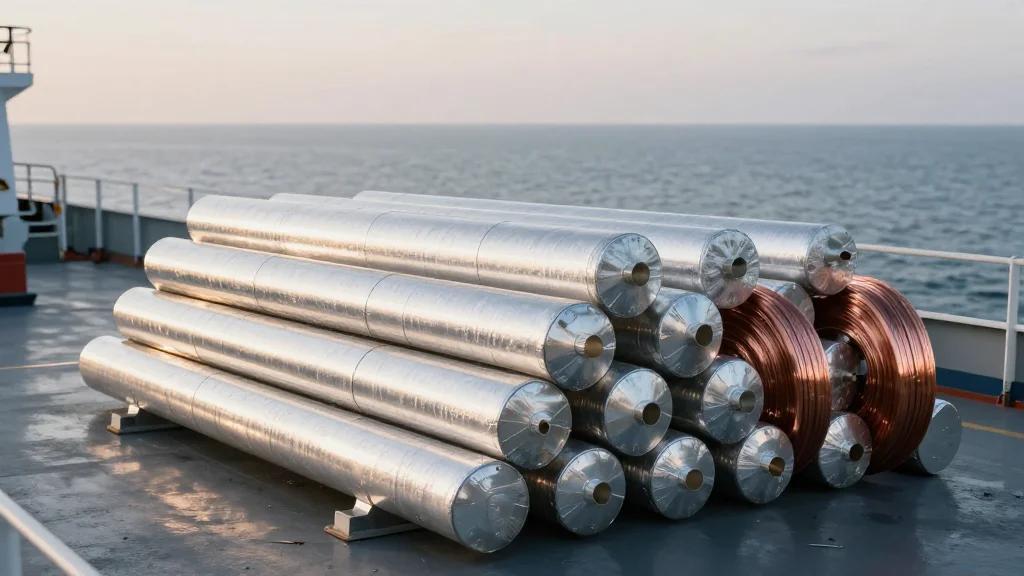
Chinese Metal Exports Surge to Record Levels as Middle East War Fuels Demand

Why It Matters
The surge in Chinese metal exports illustrates how geopolitical events can rapidly reconfigure commodity supply chains, shifting demand toward nations with ample production capacity. For the metals sector, this means that price formation, inventory levels, and investment decisions are increasingly sensitive to conflicts far from the primary mining regions. Additionally, the link between rising fossil‑fuel prices and heightened clean‑tech demand underscores a broader structural shift: metals like copper are becoming indispensable to the energy transition, amplifying their strategic importance. For investors and policymakers, the Chinese export boom signals both opportunity and risk. On one hand, Chinese producers stand to capture higher margins and expand market share; on the other, reliance on a single exporter could expose downstream industries to supply bottlenecks if Chinese policy or capacity constraints emerge. Understanding these dynamics is essential for navigating the evolving commodities landscape.
Key Takeaways
- •China's top metal industry association forecasts record aluminum shipments for 2026.
- •Middle East war has cut regional metal supplies, driving buyers to Chinese exporters.
- •Copper demand is rising as clean‑tech products, especially batteries, gain market share.
- •Higher export volumes could tighten global aluminum inventories and lift spot prices.
- •The export surge hinges on the duration of the conflict and China's production capacity.
Pulse Analysis
The current export surge is more than a short‑term reaction; it may mark a lasting realignment in global metal trade. Historically, the Middle East has been a modest supplier of refined aluminum, but the war has exposed the fragility of that niche. China's ability to step in quickly reflects both its massive downstream capacity and a strategic willingness to fill geopolitical gaps. This agility gives Beijing leverage in future negotiations over trade terms and could encourage other commodity‑dependent nations to diversify away from traditional suppliers.
From a market‑structure perspective, the heightened demand for copper aligns with the broader acceleration of the clean‑energy transition. As battery manufacturers scramble for supply, any disruption in traditional mining hubs—whether due to geopolitical tension, labor unrest, or environmental regulation—will amplify the importance of secondary sources like China, which can process and export refined copper at scale. This dynamic may drive further consolidation among Chinese smelters seeking to lock in downstream contracts, potentially raising barriers for new entrants.
Looking forward, investors should watch three key signals: (1) the evolution of the Middle East conflict and its impact on regional production capacity; (2) Chinese policy announcements regarding export quotas or subsidies for metal producers; and (3) price movements in the spot markets for aluminum and copper. A sustained record‑level export flow could cement China’s position as the de‑facto global hub for refined metals, reshaping trade flows for years to come.
Chinese Metal Exports Surge to Record Levels as Middle East War Fuels Demand
Comments
Want to join the conversation?
Loading comments...