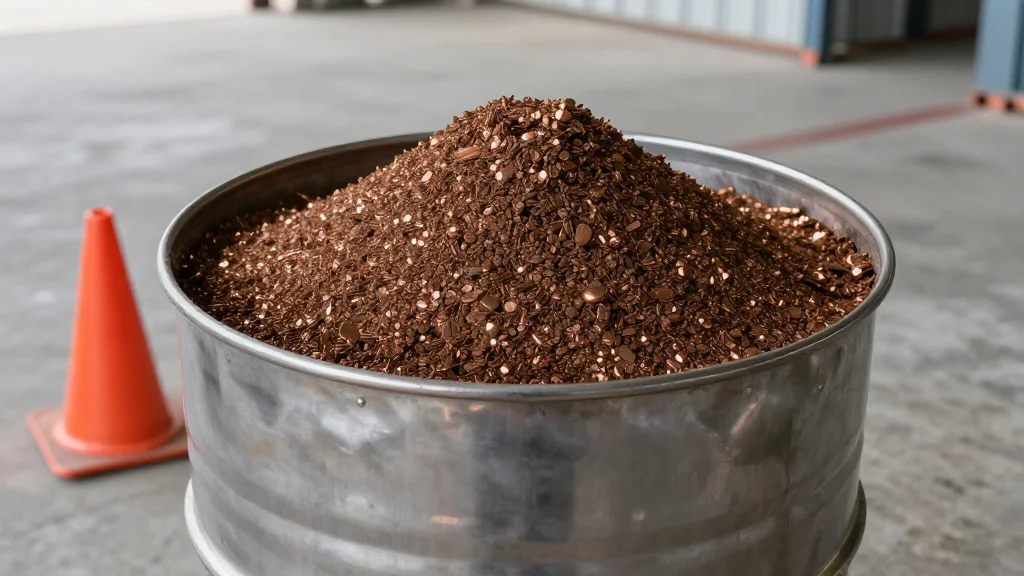
Chinese Miner Boosts Rare Earth Prices
Why It Matters
Higher rare‑earth prices raise production costs for electronics, electric‑vehicle batteries, and renewable‑energy equipment, tightening supply chains that already rely heavily on Chinese output. The price surge could accelerate diversification efforts and recycling initiatives worldwide.
Key Takeaways
- •China Northern raised Q2 2026 rare earth concentrate prices by 15%
- •Light rare earth oxide prices surged amid tighter global supply
- •Price hike pressures EV battery and wind turbine manufacturers
- •Analysts expect further price volatility as demand outpaces supply
Pulse Analysis
China’s dominance in the rare‑earth market has long been a double‑edged sword for global manufacturers. As the world’s biggest producer of light rare earths, China Northern Rare Earth Group’s decision to lift second‑quarter 2026 concentrate prices reflects both a strategic response to dwindling inventories and a reaction to surging demand from sectors such as smartphones, electric‑vehicle batteries, and wind‑turbine generators. By tightening supply, the price increase underscores the fragility of a market where a single country controls over 80% of production, prompting buyers to reassess cost structures and inventory strategies.
The ripple effects of higher rare‑earth prices are already being felt across the technology and clean‑energy supply chains. Elevated costs for neodymium, praseodymium, and other light rare earth oxides translate directly into pricier permanent‑magnet components, which are essential for high‑efficiency motors and generators. For EV manufacturers, this could compress margins or accelerate the search for alternative magnet designs, while wind‑farm developers may face higher upfront capital expenditures. Moreover, the price surge adds pressure on downstream firms to secure longer‑term contracts or explore secondary‑sourcing options, including recycling of end‑of‑life products.
In response, industry players and policymakers are intensifying efforts to diversify rare‑earth sources and boost domestic processing capabilities. Countries such as the United States, Australia, and Canada are advancing mining projects and investing in advanced separation technologies to reduce reliance on Chinese supply. Simultaneously, recycling initiatives for electronic waste and end‑of‑life magnets are gaining traction as a more sustainable and cost‑effective avenue. The recent price hike serves as a catalyst for these strategic shifts, highlighting the need for a more resilient, multi‑regional rare‑earth ecosystem.
Chinese miner boosts rare earth prices
Comments
Want to join the conversation?
Loading comments...