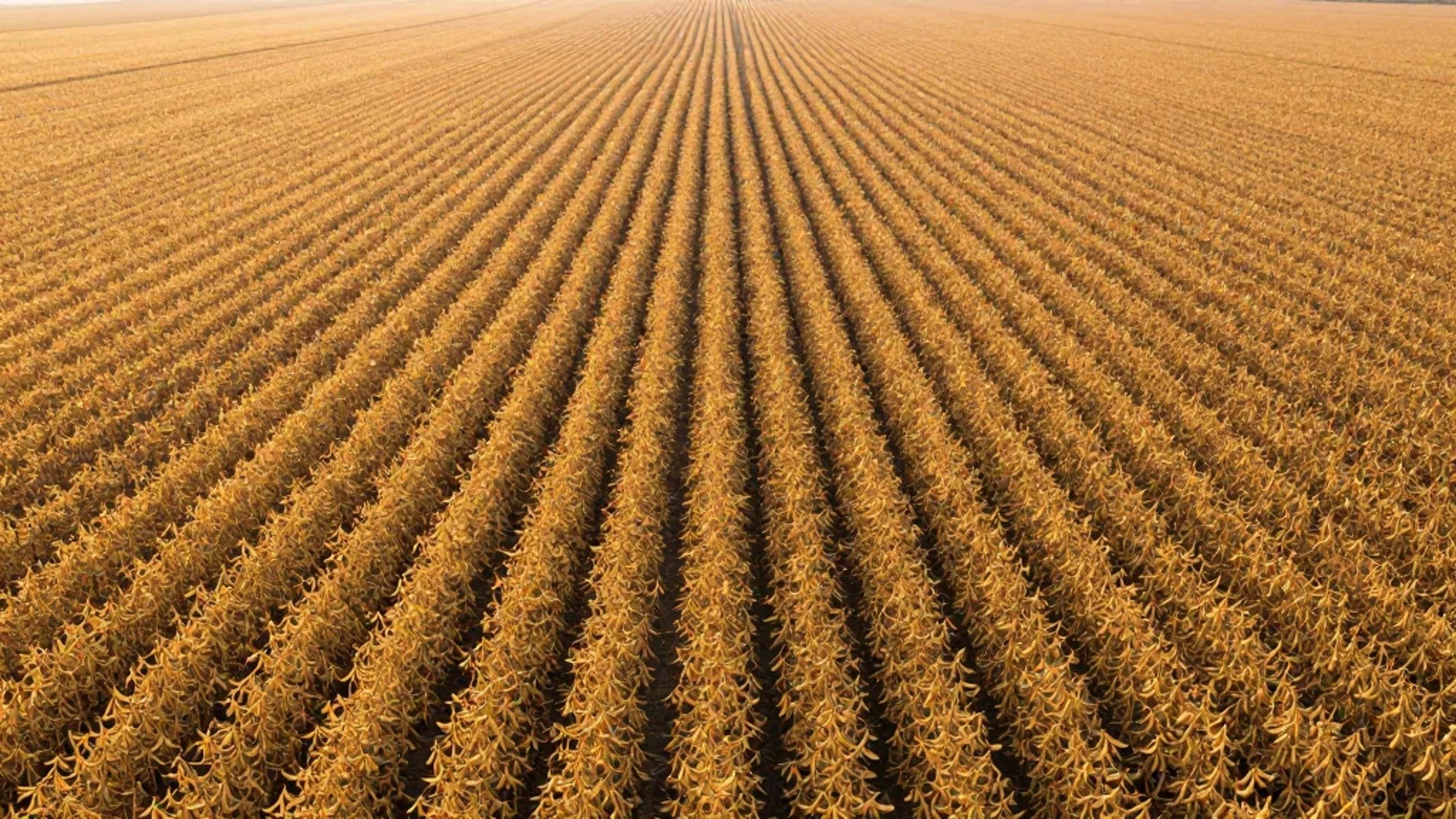
CoBank Projects 6% Jump in U.S. Soybean Acres for 2026
•February 19, 2026
0
Why It Matters
The acreage shift could boost U.S. soybean supply, influencing global commodity prices and trade balances. It also signals a strategic pivot by farmers seeking profitability amid volatile markets.
Key Takeaways
- •Soybean acres projected at 86 million for 2026.
- •Soybean acreage up 6% from 2025.
- •Corn acreage expected to fall 5% to 94 million.
- •Soybeans likely to replace wheat acreage.
- •Low margins push farmers toward higher‑profitability crops.
Pulse Analysis
The United States stands at the forefront of global soybean production, and CoBank’s latest projection of 86 million acres for the 2026 crop marks a notable expansion. A near‑six‑percent increase over 2025 reflects both robust demand from livestock feed and biofuel sectors and a response to lingering price weakness that has squeezed farmer margins. By quantifying the acreage growth, CoBank provides a forward‑looking gauge for grain elevators, processors, and exporters who rely on planting intentions to calibrate inventory and logistics strategies. Analysts will watch USDA's upcoming acreage report for confirmation.
Farmers are navigating a landscape of low commodity prices and rising input costs, which has narrowed profit margins across row crops. Economist Tanner Ehmke notes that growers are gravitating toward soybeans as the “least bad” option, given its relatively higher price resilience and expanding marketing channels. The forecast also predicts a 5 percent contraction in corn plantings to 94 million acres, while soybean acreage is expected to cannibalize wheat fields. This reallocation underscores a strategic shift toward crops with better risk‑adjusted returns. This trend also influences credit allocations from rural banks.
The anticipated acreage swing carries significant ramifications for the broader agricultural market. Increased soybean supply could temper price gains, affecting futures contracts and export competitiveness, especially as China and other major importers adjust their sourcing. Simultaneously, reduced corn acreage may tighten supplies for feed and ethanol production, potentially elevating corn prices despite the acreage decline. Stakeholders—from agribusiness financiers to policy makers—must monitor these planting trends, as they will shape USDA crop forecasts, trade balances, and the overall health of the U.S. farm sector. Long‑term, the shift may reshape crop insurance pricing models.
CoBank projects 6% jump in U.S. soybean acres for 2026
CoBank is forecasting a nearly six percent increase in U.S. soybean acres this year.
Economist Tanner Ehmke says low crop prices and high production costs leave farmers with few options.
“Margins are slim, often negative. So what it comes down to obviously for so many producers is what is the least bad option? Or what is their best option in terms of their opportunities for getting back into profitability in 2026.”
He tells Brownfield CoBank analysis points to a U.S. soybean crop totaling 86 million acres.
“That’s a far cry from where we were last year when we had just a shade over 81 million acres. And the reason why we are so aggressive on our number is because there are so many more marketing opportunities heading into 2026 versus last year.”
Ehmke says projected corn acreage of 94 million acres is nearly five percent below 2025, and he also sees soybeans pulling acres from wheat this year.
0
Comments
Want to join the conversation?
Loading comments...