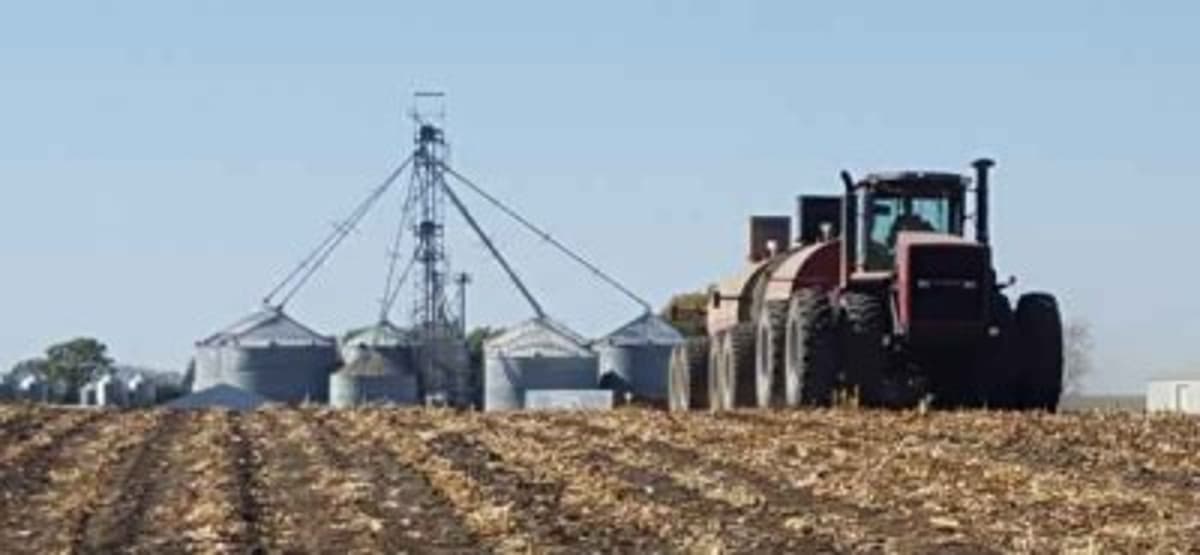
Competition Intensifies for Cropland Close to SE Wisconsin Dairies
Why It Matters
Rising land prices reshape agricultural investment and increase operating costs for dairy farms, while intensifying competition for limited cropland near dairy hubs.
Key Takeaways
- •Farmland prices in SE Wisconsin up 25‑35% since Dec 2025
- •Limited cropland supply drives competition among large dairy operations
- •Proximity to dairies reduces manure hauling costs and liability risks
- •Dairy farms target land within three miles for efficient manure application
Pulse Analysis
The recent 25%‑35% appreciation in southeastern Wisconsin cropland reflects a classic supply‑demand imbalance amplified by dairy logistics. Large milk producers need nearby fields to spread manure, a practice that mitigates transportation expenses and limits exposure to spills or regulatory fines. As a result, parcels within a three‑mile radius of dairies have become premium assets, pushing overall farmland valuations upward and prompting investors to reassess regional ag‑real‑estate portfolios.
Manure management has emerged as a cost‑center for dairy operations, especially as fuel prices remain volatile and environmental compliance tightens. Transporting waste over longer distances not only inflates fuel and labor costs but also raises liability concerns tied to spills and odor complaints. By acquiring adjacent cropland, dairies can apply nutrients directly, improving soil health while sidestepping hefty hauling fees. This strategic land acquisition aligns with sustainability goals and can enhance herd productivity, yet it also compresses the market for independent farmers seeking to sell or lease their fields.
Looking ahead, the intensified competition is likely to sustain upward pressure on land prices, potentially spurring consolidation as smaller producers sell to larger dairy conglomerates. Investors may see higher returns on farmland but must weigh the risk of over‑paying in a niche market. Policymakers could respond with incentives for regional manure processing facilities, which would alleviate the geographic constraint and moderate price spikes. Stakeholders—farmers, lenders, and dairy executives—should monitor regulatory developments and transportation cost trends to navigate this evolving landscape effectively.
Competition intensifies for cropland close to SE Wisconsin dairies
Comments
Want to join the conversation?
Loading comments...