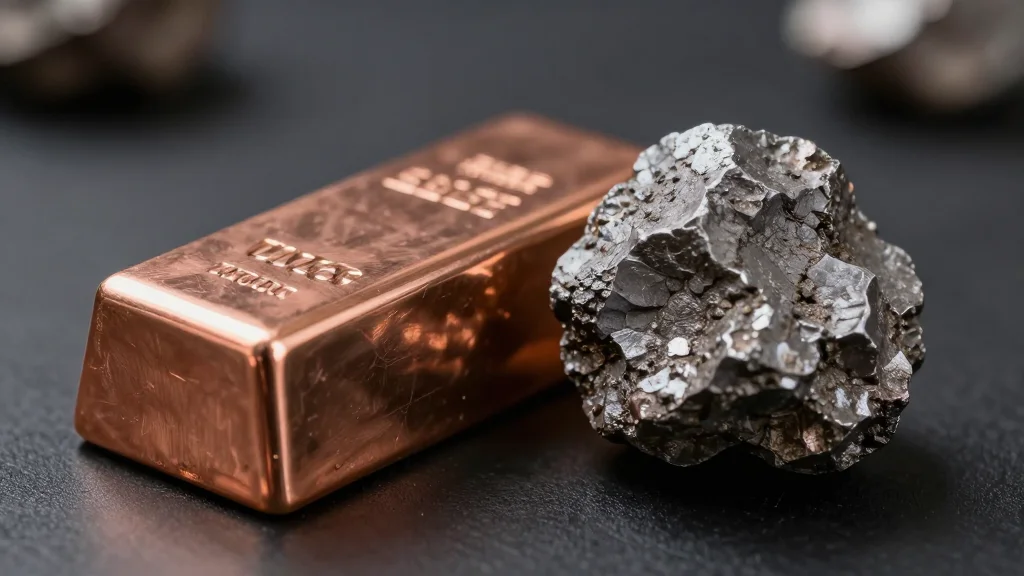
Copper Retreats as US and Iran Trade Threats on Peace Deal
Why It Matters
Copper’s sensitivity to geopolitical headlines and its link to AI‑driven tech stocks make the metal a barometer for both risk sentiment and emerging‑technology investment trends. A sustained pullback could signal broader caution in commodity‑heavy growth sectors.
Key Takeaways
- •Copper fell 1.3% to $13,474/ton amid US‑Iran tension
- •Trump signaled progress on peace deal but warned of possible attacks
- •AI‑linked demand ties copper price to high‑tech equity sentiment
- •Iron ore slid 1.5% to $105.70/ton, longest losing streak since Feb
- •Chinese steel sales slowdown adds pressure to commodity markets
Pulse Analysis
The latest dip in copper underscores how quickly geopolitical developments can ripple through commodity markets. Trump’s remarks about a potential U.S.–Iran accord, coupled with a warning of renewed strikes, revived risk‑off sentiment that pushed oil higher and eroded confidence in risk‑sensitive assets. Copper, often viewed as a proxy for industrial activity, reacted sharply, retreating from its recent record high and highlighting the metal’s role as a real‑time gauge of market nerves.
Beyond the immediate geopolitical trigger, copper’s price trajectory is increasingly tethered to the performance of high‑tech equities. Investors have been betting on the metal’s utility in artificial‑intelligence hardware, electric‑vehicle batteries, and renewable‑energy infrastructure. As a result, the metal has mirrored the rally in AI‑focused stocks, creating a feedback loop where sentiment in the tech sector amplifies copper’s volatility. The recent pullback suggests that any wobble in tech valuations—whether from earnings misses or broader macro concerns—can quickly translate into lower copper demand expectations.
The broader metals landscape adds another layer of complexity. Iron ore’s 1.5% slide to $105.70 a ton marks its longest decline since February, driven by rising global seaborne shipments and a seasonal slowdown in Chinese steel consumption. With China entering a summer lull, steelmakers are curbing output, which in turn pressures ore prices. Together, these dynamics signal that commodity markets are navigating a confluence of geopolitical risk, tech‑driven demand cycles, and seasonal demand shifts, all of which will shape price trends in the months ahead.
Copper Retreats as US and Iran Trade Threats on Peace Deal
Comments
Want to join the conversation?
Loading comments...