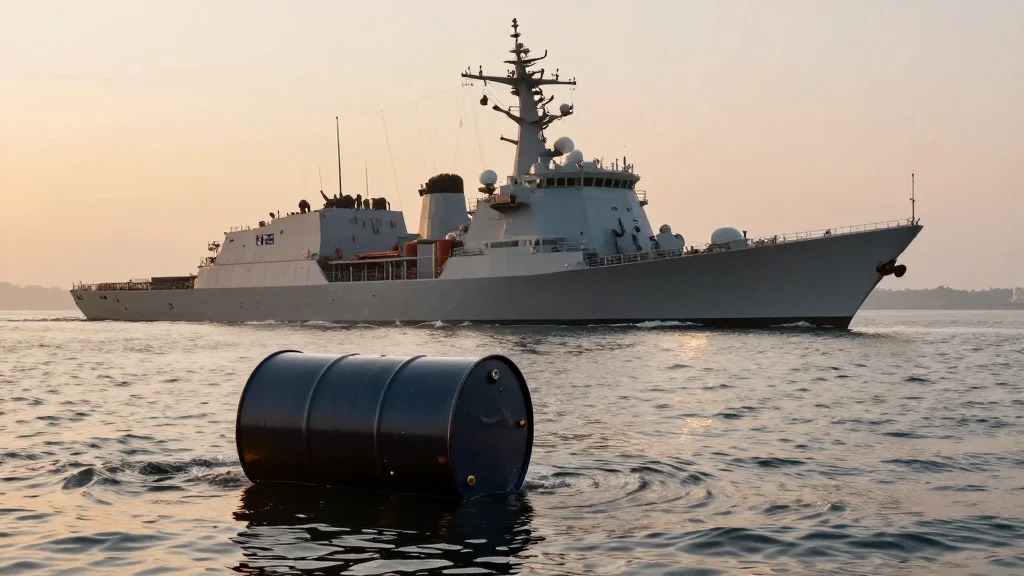
Crude Oil Plunges Amid U.S. Measures To Restart Traffic Across The Strait Of Hormuz
Why It Matters
Restoring traffic through the Hormuz chokepoint immediately relieves price pressure on crude, reducing inflationary risks for consumers and stabilizing global energy markets.
Key Takeaways
- •WTI June fell $3.80 to $102.62 per barrel
- •Project Freedom escorted two U.S.-flagged ships through Hormuz
- •Goldman Sachs estimates global oil stocks at 101 days, near eight‑year low
- •U.S. deployed 100+ aircraft, destroyers and 15,000 troops for the operation
Pulse Analysis
The Strait of Hormuz has long been a geopolitical flashpoint, handling roughly 20% of the world’s petroleum shipments. When Iran closed the waterway in late February, oil markets reacted sharply, pushing prices to multi‑year highs and inflating U.S. gasoline to $4.48 per gallon. By deploying a sizable naval task force under the banner of “Project Freedom,” the United States signaled a willingness to use hard power to safeguard commercial navigation, a move that instantly restored market confidence and triggered a steep drop in crude prices.
Analysts note that the price decline is not solely a reaction to the escort operation but also reflects broader inventory dynamics. Goldman Sachs’ latest estimate places global oil reserves at just 101 days of demand, the lowest level in eight years, leaving the market vulnerable to any renewed disruption. However, the successful passage of two U.S.-flagged vessels suggests a potential de‑escalation pathway, which could allow inventories to rebuild as shipments resume, tempering the risk premium that has been baked into oil futures.
For investors and policymakers, the episode underscores the intertwined nature of security and energy economics. While the immediate price relief eases inflationary pressures on consumers, the underlying geopolitical tension remains unresolved, and any misstep could reignite volatility. Stakeholders should monitor diplomatic signals from Tehran, the durability of the ceasefire, and the U.S. commitment to maintaining a protective corridor, as these factors will shape oil price trajectories and broader market stability in the months ahead.
Crude Oil Plunges Amid U.S. Measures To Restart Traffic Across The Strait Of Hormuz
Comments
Want to join the conversation?
Loading comments...