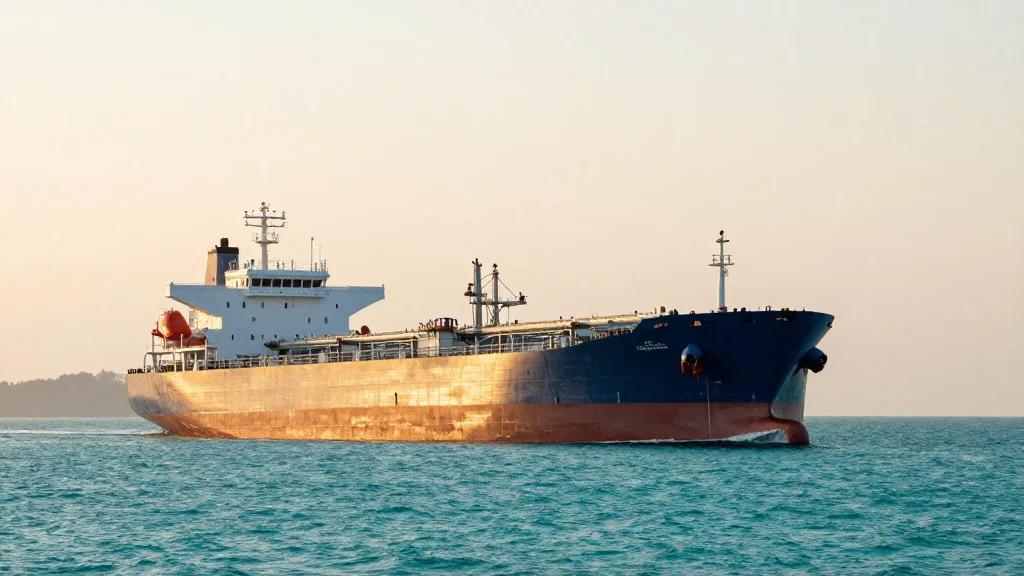
Crude Oil Soars As U.S. Deadline To Iran To Open Strait Of Hormuz Closes In
Why It Matters
The standoff threatens a major supply bottleneck, driving oil prices higher and pressuring global inflation and growth. A prolonged closure could reshape energy markets and geopolitical risk calculations.
Key Takeaways
- •WTI May contract up $1.39 to $112.93 per barrel.
- •Iran's deadline extension gives until 8 p.m. ET Tuesday.
- •20% of global oil passes through Strait of Hormuz.
- •Regional mediators propose 45‑day ceasefire pause.
- •Oil prices stay above $110, straining major economies.
Pulse Analysis
The Strait of Hormuz has long been a strategic lever for Tehran, and its partial closure since late February has reignited concerns about supply disruptions. With nearly one‑fifth of the world’s oil flowing through this narrow waterway, any prolonged blockage can quickly translate into higher benchmark prices, as seen in the recent $1.39 rally in WTI. The U.S. administration’s latest ultimatum, now extended by 20 hours, underscores the high‑stakes diplomatic chess game, where threats of kinetic action coexist with market‑driven volatility.
Behind the headlines, a quiet diplomatic effort is unfolding. Pakistan, Egypt and Turkey are acting as intermediaries, conveying a two‑stage proposal that begins with a 45‑day pause in hostilities. U.S. officials, including Vice President J.D. Vance and Special Envoy Steven Witkoff, have been in contact with Iran’s foreign minister through these channels, though no formal agreement has been announced. The plan aims to create a breathing space for negotiations, but skeptics warn that entrenched mistrust and competing regional interests could derail any short‑term cease‑fire.
For investors and policymakers, the immediate concern is price trajectory. With oil trading above $110 per barrel, refiners in Asia and Europe are scrambling to secure supplies, while consumer‑price inflation in major economies faces upward pressure. Should the Strait remain partially blocked or if military actions intensify, the market could see further spikes, prompting a reassessment of energy‑security strategies and potentially accelerating the shift toward alternative fuels. Monitoring diplomatic signals and naval movements will be crucial for anticipating the next move in this volatile episode.
Crude Oil Soars As U.S. Deadline To Iran To Open Strait Of Hormuz Closes In
Comments
Want to join the conversation?
Loading comments...