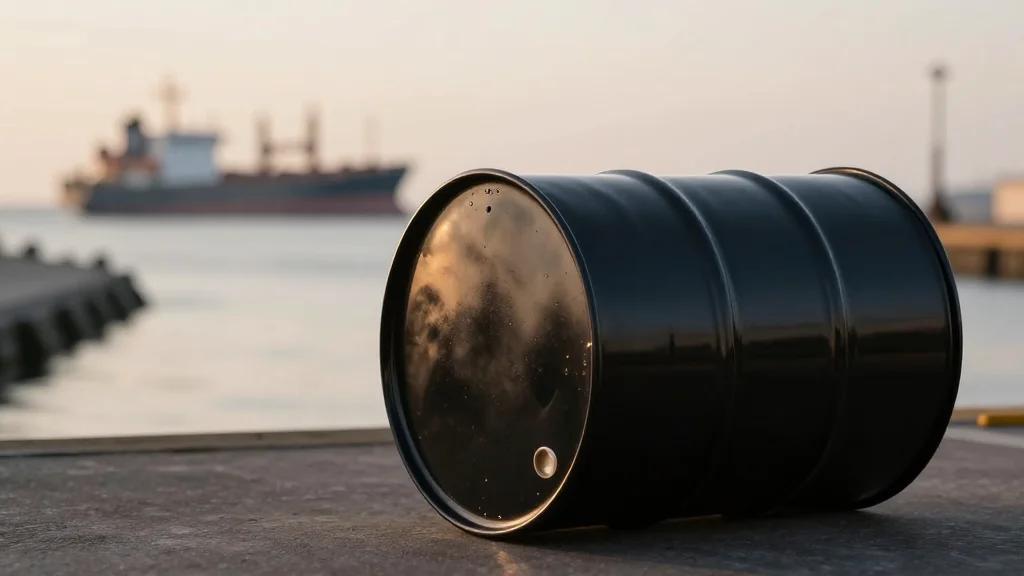
Crude Oil Surges Despite U.S. Extension Of Two-Week Ceasefire
Why It Matters
The price spike underscores how geopolitical tension in the Hormuz corridor can outweigh diplomatic de‑escalation, pressuring global energy markets and inflation. Continued blockade risk threatens supply balance, influencing both commodity traders and downstream industries.
Key Takeaways
- •WTI June futures rose $3.54 to $93.21 per barrel
- •Strait of Hormuz blockade holds ~600 million barrels, 50+ days
- •U.S. API reported 4.4 million‑barrel crude draw, exceeding expectations
- •Iran seized two vessels; three container ships hit near Hormuz
Pulse Analysis
The latest surge in crude prices highlights the outsized influence of the Strait of Hormuz on global oil markets. Even as President Trump extended a two‑week cease‑fire, the U.S. naval blockade and Iran’s aggressive actions keep the waterway effectively shut, restricting the flow of an estimated 600 million barrels of crude. Traders are therefore pricing in a persistent supply gap, which has pushed WTI June contracts up nearly 4% in a single session. This dynamic illustrates how geopolitical risk premiums can dominate price formation, especially when physical constraints outweigh diplomatic signals.
Inventory data adds another layer to the market narrative. The American Petroleum Institute reported a 4.4 million‑barrel draw in U.S. crude stocks for the week ending April 17, dwarfing the 1 million‑barrel decline analysts had forecast. Simultaneously, gasoline, distillate and heating‑oil inventories fell by 4.57 million, 3.43 million and 0.33 million barrels respectively, tightening the overall fuel supply picture. The contrast between the API’s draw and the Energy Information Administration’s modest 1.925 million‑barrel increase underscores the volatility in reporting and the importance of real‑time data for market participants.
Looking ahead, the continuation of the Hormuz blockade will be a decisive factor for oil price trajectories. Unless diplomatic channels produce a credible pathway to reopen the strait, the market will likely maintain a risk‑off stance, with further price appreciation and heightened volatility. Energy analysts warn that prolonged disruption could feed into broader inflationary pressures, especially as the world still grapples with the aftershocks of Russia’s war in Ukraine. Investors, policymakers, and corporate treasurers should therefore monitor naval developments closely, as any shift—whether a de‑escalation or an escalation—will reverberate through commodity markets and the global economy.
Crude Oil Surges Despite U.S. Extension Of Two-week Ceasefire
Comments
Want to join the conversation?
Loading comments...