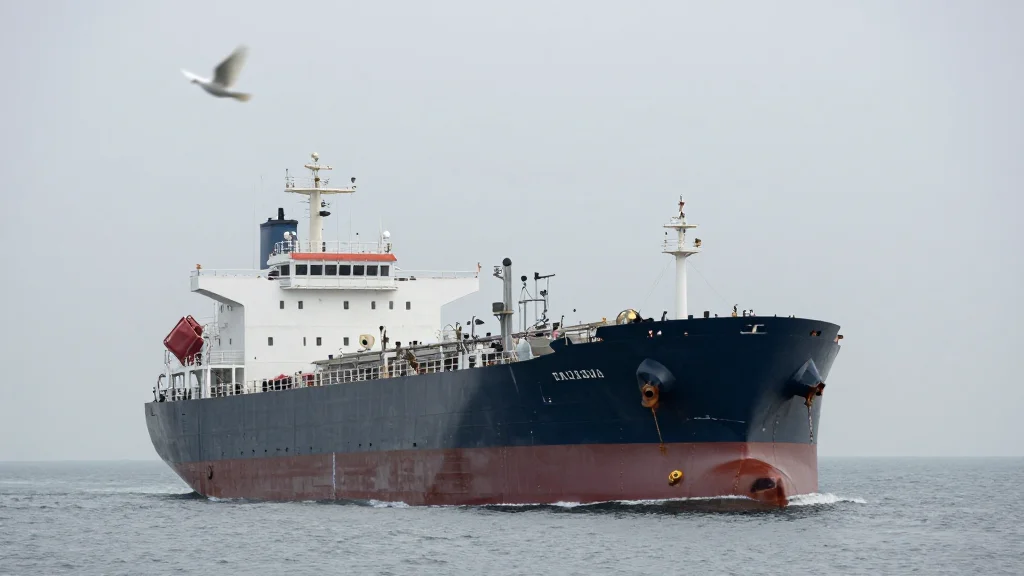
Crude Prices Rise as Market Weighs Prolonged US-Iran Standoff
Why It Matters
The news underscores how geopolitical friction can quickly tighten oil markets, raising energy costs and feeding broader inflation pressures. Investors and policymakers must monitor the standoff as a catalyst for price volatility.
Key Takeaways
- •US‑Iran tensions revive concerns of Middle East supply disruptions
- •OPEC+ production cuts keep global oil inventories near historic lows
- •Crude futures rose modestly, indicating market sensitivity to geopolitical news
- •Tightening supply could pressure fuel prices and broader inflation
Pulse Analysis
The renewed US‑Iran standoff revives a familiar risk premium that has historically spiked crude prices whenever diplomatic channels fray. While both nations have avoided direct conflict in recent years, the threat of retaliatory strikes on shipping lanes or oil facilities in the Strait of Hormuz can instantly curtail supply flows. Traders therefore price in a contingency buffer, pushing futures higher even before any physical disruption occurs. This dynamic mirrors past episodes, such as the 2019 tanker attacks, where market participants pre‑emptively bid up contracts based on perceived geopolitical uncertainty.
Beyond the political backdrop, fundamental supply‑demand imbalances are tightening the market. OPEC+ has maintained a coordinated output cut of roughly 2.2 million barrels per day, while global oil inventories sit near 100 million barrels—well below the five‑year average. Simultaneously, demand from China and Europe rebounds faster than expected, driven by post‑pandemic industrial activity and a resurgence in travel. The convergence of constrained supply and accelerating demand narrows the global spare‑capacity buffer, making the market more vulnerable to any shock, whether geopolitical or weather‑related.
For the broader economy, a sustained rise in crude prices can ripple through fuel costs, freight rates, and ultimately consumer inflation. Higher gasoline prices erode disposable income, while increased freight charges raise the cost of goods in supply chains. Policymakers monitoring core inflation may find oil‑driven price pressures complicating decisions on interest rates. Investors, therefore, should watch both the diplomatic developments and the underlying inventory data, as the interplay between geopolitics and fundamentals will dictate the trajectory of oil markets in the coming months.
Crude Prices Rise as Market Weighs Prolonged US-Iran Standoff
Comments
Want to join the conversation?
Loading comments...