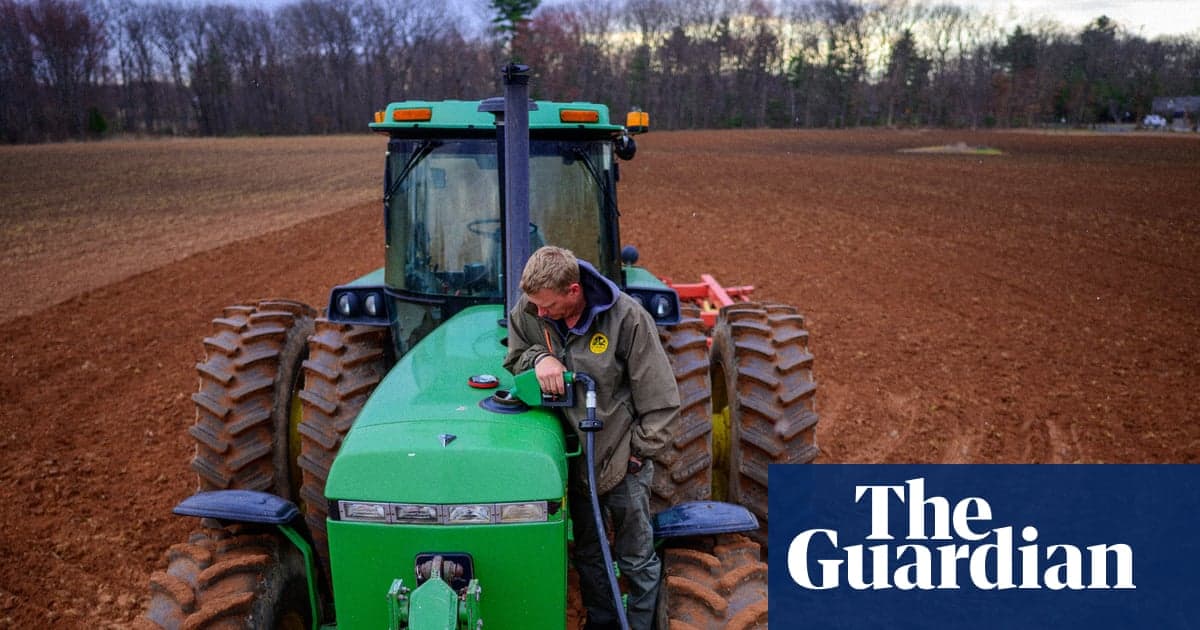
Diesel Prices Squeeze US Farmers ‘Barely Getting by’ Amid Tariffs and Drought
Why It Matters
Higher diesel costs threaten the viability of a majority of U.S. farms, risking reduced planting acreage, higher food prices, and accelerated consolidation in the sector.
Key Takeaways
- •Diesel hit $5/gal, doubling farmers' fuel costs this planting season.
- •Small farms earn ≤$350k, profit margins under 10%, vulnerable to fuel spikes.
- •Black-owned farms face higher credit gaps; foreclosures rising amid fuel surge.
- •Tariff losses cost US agriculture $34.6 bn, compounding diesel price shock.
- •Farmers urge swift tariff relief and restored USDA staffing for aid.
Pulse Analysis
The Iran conflict has sent off‑road diesel to record levels, with prices climbing from $2.65 to $5 per gallon in just a year. Diesel powers the tractors and trucks that move seeds, fertilizer and harvests, so the timing hits farmers during the narrow planting window when field work cannot be delayed. Higher fuel bills force growers to postpone sowing, trim acreage, or absorb costs that erode already razor‑thin margins, potentially tightening supply chains for staple crops.
For the 86 % of U.S. farms that are family‑run, profit margins often sit below 10 %. A $5‑per‑gallon diesel price translates into hundreds of dollars per day for a typical 100‑horsepower tractor, quickly consuming a sizable share of a farm’s $200,000‑$300,000 gross income. Black‑owned farms feel the pressure even more acutely; they earn less on average, face lower loan approval rates, and now confront foreclosures as fuel expenses near $6 per gallon. The disparity underscores long‑standing equity gaps in USDA lending and highlights how commodity shocks can disproportionately destabilize minority‑run operations.
Policy responses are limited but critical. Farmers argue that ending the tariff war would restore export markets and ease fertilizer shortages, indirectly easing diesel demand. Simultaneously, restoring staff at the Natural Resources Conservation Service and passing a comprehensive farm bill could streamline grant access and provide emergency assistance. Without swift federal action, the sector risks a wave of consolidations, higher consumer food prices, and a weakened domestic food security posture.
Diesel prices squeeze US farmers ‘barely getting by’ amid tariffs and drought
Comments
Want to join the conversation?
Loading comments...