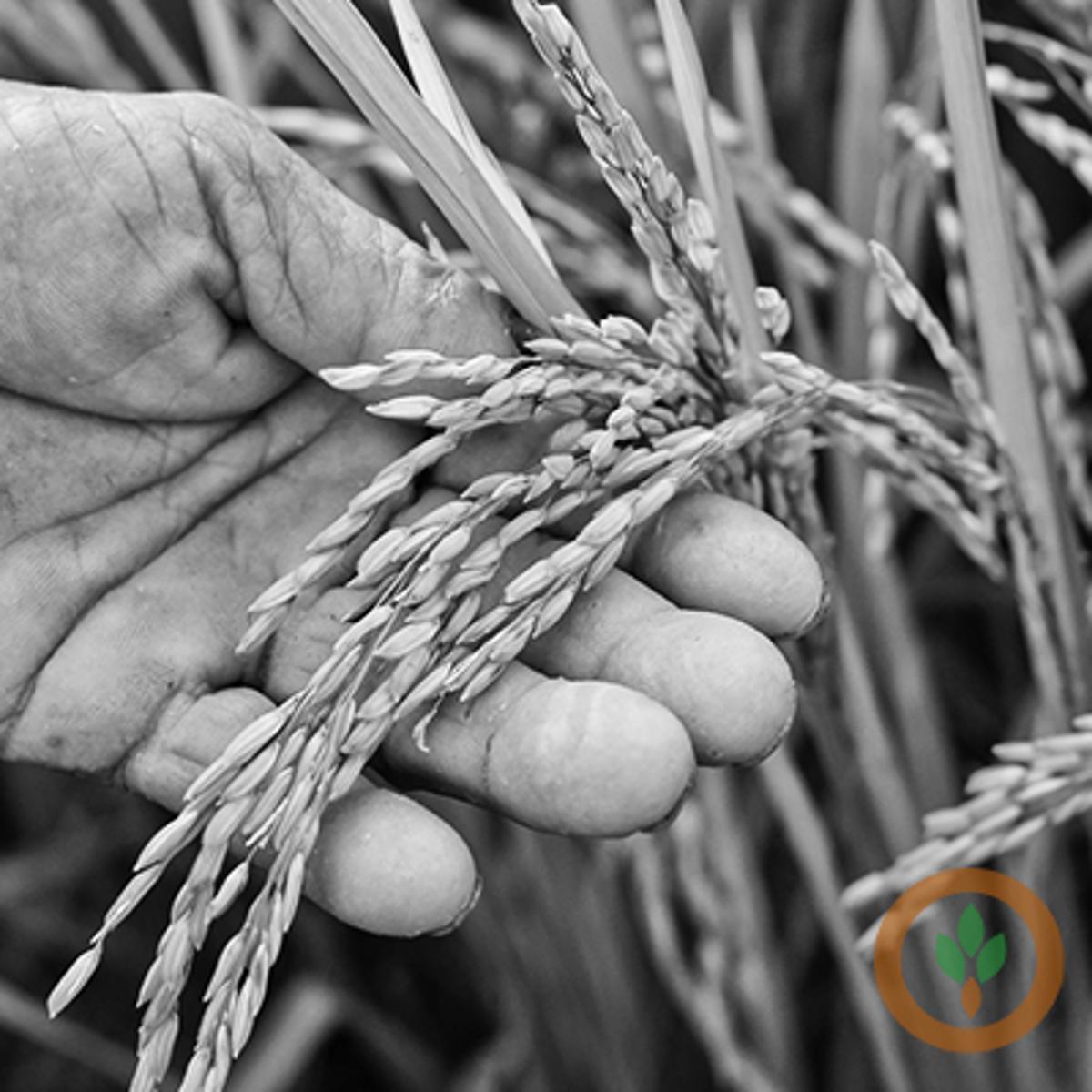
Eastern Arkansas Faces Sharp Decline in Rice Plantings
•February 23, 2026
0
Why It Matters
A contraction in Arkansas rice acreage threatens national rice supply, processing capacity, and farm income, with ripple effects across commodity markets and rural economies.
Key Takeaways
- •Rice acres may fall to ~925,000, lowest since 1983.
- •Low prices push farmers toward soybeans and higher PLC payments.
- •Reduced acreage threatens rice mill throughput and regional supply chain.
- •Potential cotton planting decline could compound agribusiness challenges.
- •Shift may affect U.S. rice export volumes and price stability.
Pulse Analysis
Arkansas accounts for roughly a third of U.S. rice output, making its planting decisions a bellwether for the broader market. This year, a confluence of weak farm‑gate prices and elevated input costs has eroded farmer confidence, prompting many to reconsider the profitability of rice relative to soybeans and other cash crops. The Price Loss Coverage program, designed to cushion revenue shortfalls, now incentivizes acreage shifts, effectively turning price signals into planting signals across the Delta.
The immediate impact of a near‑30% acreage reduction will be felt most acutely at rice mills that rely on consistent feedstock volumes. Lower throughput translates to higher per‑bushel processing costs, potentially squeezing margins for both mill operators and downstream distributors. Moreover, the shift away from rice could strain rural infrastructure, as equipment and labor previously dedicated to rice cultivation must be repurposed or underutilized, affecting local employment and service providers.
Beyond regional concerns, the decline could reverberate through national and global rice markets. With U.S. export volumes already under pressure from competing producers in Asia, a smaller harvest may tighten supply, supporting higher world prices but also risking market share if buyers turn to alternative sources. Policymakers and industry groups will need to monitor these trends closely, balancing short‑term price support mechanisms with long‑term strategies to sustain the competitiveness of American rice on the world stage.
Eastern Arkansas faces sharp decline in rice plantings
0
Comments
Want to join the conversation?
Loading comments...