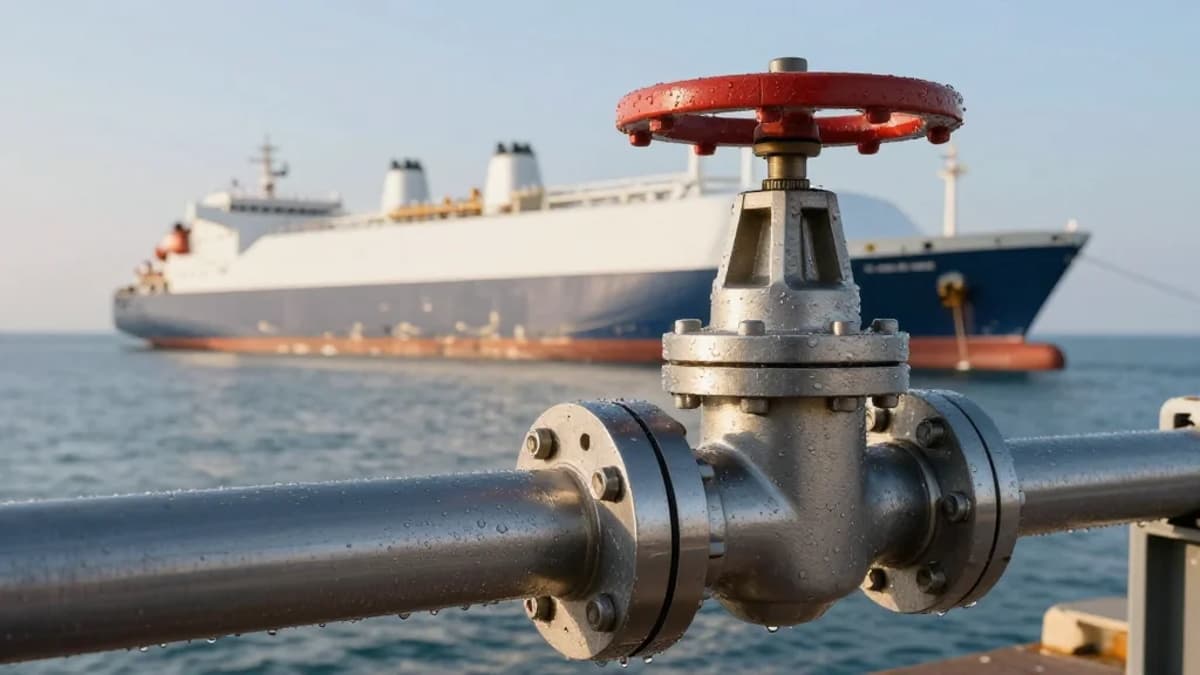
Egypt LNG Supply Shaped by Israel–Egypt Gas Interdependence
•February 18, 2026
0
Why It Matters
Egyptian LNG is now a flexible, marginal supply rather than a baseload source, reshaping global LNG pricing and contract strategies while highlighting geopolitical risk in the Eastern Mediterranean.
Key Takeaways
- •Egyptian LNG depends on domestic power demand.
- •Israeli pipeline gas balances Egypt’s electricity shortfall.
- •LNG exports vary with residual gas volumes.
- •Supply interruptions pose higher risk for Egypt than Israel.
- •Global buyers view Egyptian cargoes as marginal, flexible supply.
Pulse Analysis
The Eastern Mediterranean has been reshaped by Israel’s rapid transition from a net gas importer to a regional exporter. Massive offshore discoveries such as Leviathan and Tamar now generate a surplus that can be redirected through the 250‑kilometre pipeline to Egypt. This cross‑border flow not only cushions Egypt’s strained power system but also creates a strategic lever for Israel, allowing it to adjust export volumes without jeopardising its own grid. The arrangement also deepens energy interdependence, influencing regional security calculations. The pipeline therefore functions as a de‑facto balancing tool, linking two divergent energy markets.
In Egypt, the allocation hierarchy places electricity generation ahead of LNG liquefaction, meaning that any uptick in domestic consumption directly trims the gas available for export. As the country phases out aging fields and confronts rising electricity demand, the reliance on Israeli imports has grown sharply since 2015. When power plants call for additional gas, the residual feedstock for the Idku and Damietta LNG trains shrinks, turning what was once a stable baseload into a marginal, interruptible supply. This operational reality limits Egypt’s ability to honor long‑term cargo commitments. Consequently, Egypt’s LNG pricing often reflects spot market signals rather than fixed contracts.
For global LNG buyers, Egyptian cargoes now represent a flexible, price‑responsive option rather than a guaranteed stream. Traders can use the volatility to hedge short‑term gaps, but the asymmetrical risk—Egypt’s exposure to supply cuts versus Israel’s relative insulation—adds a geopolitical premium to contracts. Looking ahead, expanding pipeline capacity or diversifying Egypt’s domestic gas production could stabilize LNG output, yet the current interdependence underscores how regional politics and domestic priorities can outweigh traditional long‑term LNG contracts. Investors therefore monitor pipeline negotiations closely as a leading indicator of Egyptian LNG availability.
Egypt LNG supply shaped by Israel–Egypt gas interdependence
0
Comments
Want to join the conversation?
Loading comments...