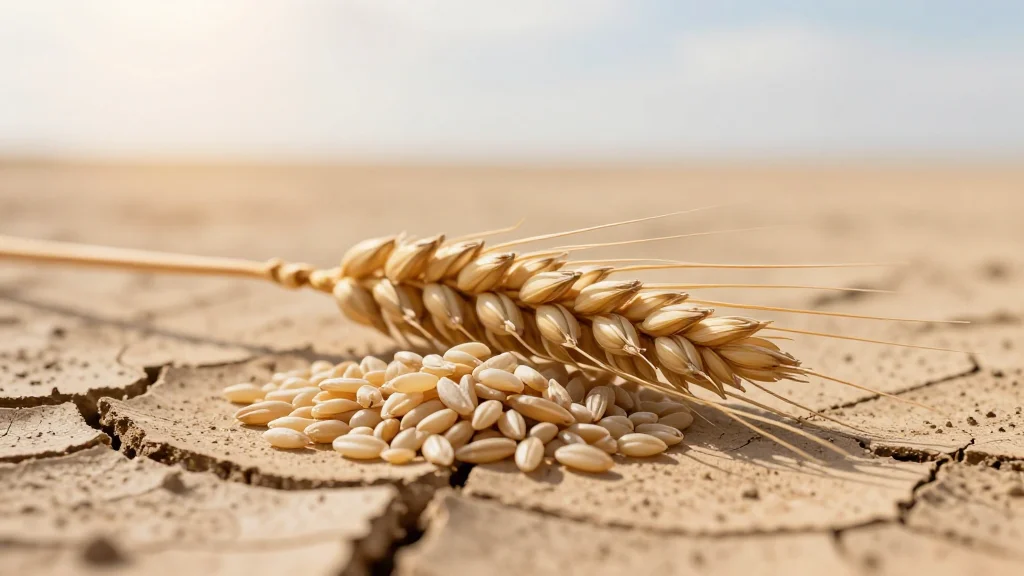
El Niño Heat Drives Asian Crop Shortfalls, Sending Wheat Up 20% and Rice Up 15%

Companies Mentioned
Why It Matters
The El Niño‑driven heat wave threatens the world’s largest consumer of rice and a major wheat importer, creating a supply squeeze that could push staple‑food inflation higher in emerging markets. Higher grain prices feed into downstream costs for animal feed, biofuels and processed foods, amplifying pressure on inflation‑sensitive economies. Moreover, the event underscores the growing vulnerability of agricultural commodities to climate extremes, prompting investors and policymakers to re‑evaluate risk‑management frameworks and consider strategic stockpiles. For commodity traders, the rapid price moves in wheat and rice signal a shift from normal seasonal volatility to weather‑driven spikes, encouraging more aggressive hedging and the use of weather‑linked derivatives. Governments in rice‑exporting nations may face political pressure to protect domestic supplies, potentially reshaping trade flows and prompting a re‑assessment of export‑curb policies that could affect global market balance.
Key Takeaways
- •El Niño heat lifts wheat futures ~20% since early 2026 and rice prices ~15% in the past month.
- •India’s monsoon forecast trimmed; monsoon supplies ~70% of annual rainfall.
- •Thailand’s rice price up 15%; farmer warns of single‑harvest risk.
- •India holds 40% of global rice exports but may impose export curbs if monsoon fails.
- •Satellite imagery from SkyFi shows early drought signatures across South‑east Asia.
Pulse Analysis
The current El Niño episode is a textbook case of climate‑driven commodity stress translating into market volatility. Historically, strong El Niños have disrupted planting cycles in Asia, but the confluence of higher baseline temperatures, fuel shortages from the Iran conflict and tighter credit for farmers amplifies the impact. Wheat’s 20% rally reflects not only regional drought concerns but also a broader risk premium as traders price in the possibility of a simultaneous shortfall in the United States, where drought conditions are already tightening supplies.
From a strategic perspective, the episode highlights the growing importance of satellite‑based monitoring for commodity markets. Firms like SkyFi are now providing near‑real‑time data that can pre‑empt traditional government reports, giving traders a decisive edge. This technological shift may accelerate the adoption of weather‑linked financial instruments, such as index‑based insurance and climate futures, as market participants seek to hedge against increasingly frequent extreme‑weather events.
Looking ahead, policymakers in major rice‑exporting countries will need to balance domestic food security with export revenue. If India moves to restrict shipments, global rice prices could breach the $1,200‑per‑metric‑ton barrier, pressuring import‑dependent economies in the Middle East and Africa. Meanwhile, the risk of a second‑season crop failure in Vietnam and Indonesia could tighten supplies further, creating a feedback loop that pushes prices higher into 2027. Investors should monitor monsoon updates, government statements on export policy, and the evolution of weather‑derivative markets as key indicators of where the grain market is headed.
El Niño Heat Drives Asian Crop Shortfalls, Sending Wheat Up 20% and Rice Up 15%
Comments
Want to join the conversation?
Loading comments...