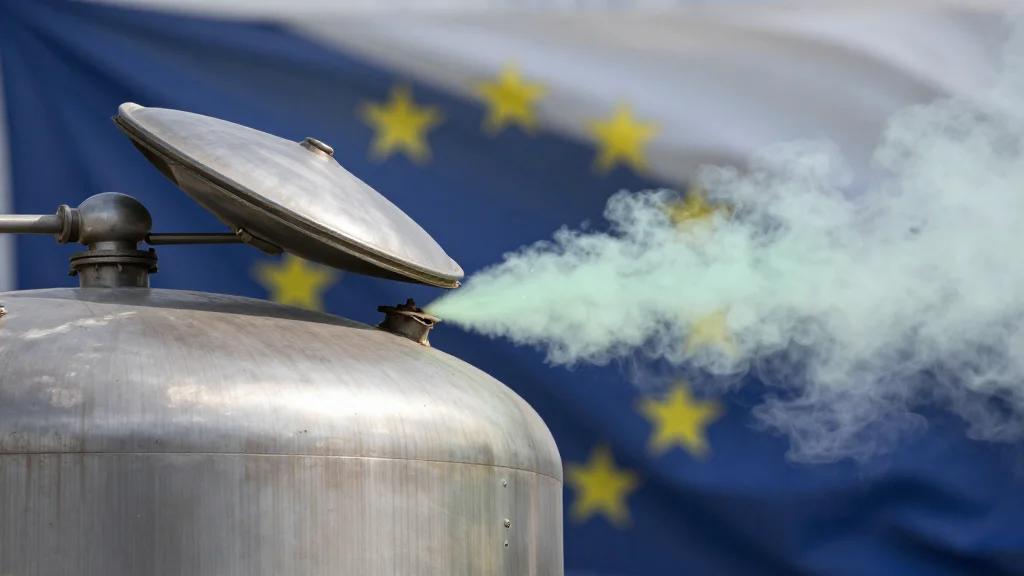
Europe's Chemical Industry Slumps Over 80%, Threatening Global Commodity Demand

Why It Matters
The European chemical sector supplies the feedstocks that underpin a wide array of industrial commodities. A sharp contraction reduces demand for raw petrochemicals, potentially depressing global prices and reshaping trade flows. Moreover, the loss of capacity and jobs weakens Europe's strategic manufacturing base, increasing reliance on imports from China and exposing supply chains to geopolitical risk. For commodity traders and downstream manufacturers worldwide, the European downturn signals a shift in the balance of supply and demand that could affect pricing, contract negotiations and investment decisions across multiple sectors. In the United States, the narrative serves as a cautionary tale. If regulatory pressures and energy costs are not managed, American chemical producers could face similar capacity erosion, jeopardizing the country's position as a leading global supplier of essential chemicals. Policymakers on both sides of the Atlantic will need to weigh the trade‑off between environmental objectives and industrial competitiveness to safeguard the stability of the commodities market.
Key Takeaways
- •Investment in European chemicals fell >80% in 2025, from 1.9 M to 0.3 M tons of new capacity
- •37 million tons (≈9%) of production capacity vanished, and plant closures doubled
- •Around 20,000 jobs lost since 2022, highlighting the sector’s social impact
- •High energy costs, strict EU regulations and cheap Chinese imports identified as primary drivers
- •Europe now imports ~80% of its vitamins from China, raising strategic supply concerns
Pulse Analysis
The European chemical decline is more than a regional hiccup; it reshapes the global commodity landscape. Historically, Europe has been a net exporter of high‑value petrochemical feedstocks, balancing demand from North America and Asia. The current capacity erosion erodes that export surplus, potentially shifting trade balances toward China, which already enjoys a cost advantage thanks to subsidized oil inputs. This realignment could depress European commodity prices while inflating Chinese market share, creating a feedback loop that further disadvantages Western producers.
From a market perspective, the contraction may trigger a re‑pricing of downstream contracts. Buyers of chemicals for automotive, construction and pharmaceutical applications will likely renegotiate terms, seeking alternative sources or hedging against supply uncertainty. Traders with exposure to ethylene, propylene and related derivatives should monitor European price spreads for signs of widening differentials, which could present arbitrage opportunities but also heightened volatility.
Policy response will be decisive. If the EU eases permitting timelines and revises carbon pricing to reflect competitive realities, it could attract a new wave of investment and stabilize the feedstock market. Conversely, a continuation of the current regulatory trajectory may accelerate the shift of chemical manufacturing to regions with lower compliance costs, cementing China’s dominance. For U.S. stakeholders, the lesson is clear: balancing environmental ambition with industrial competitiveness is essential to maintain a resilient domestic chemicals base and to avoid ceding further ground in the global commodities arena.
Europe's Chemical Industry Slumps Over 80%, Threatening Global Commodity Demand
Comments
Want to join the conversation?
Loading comments...