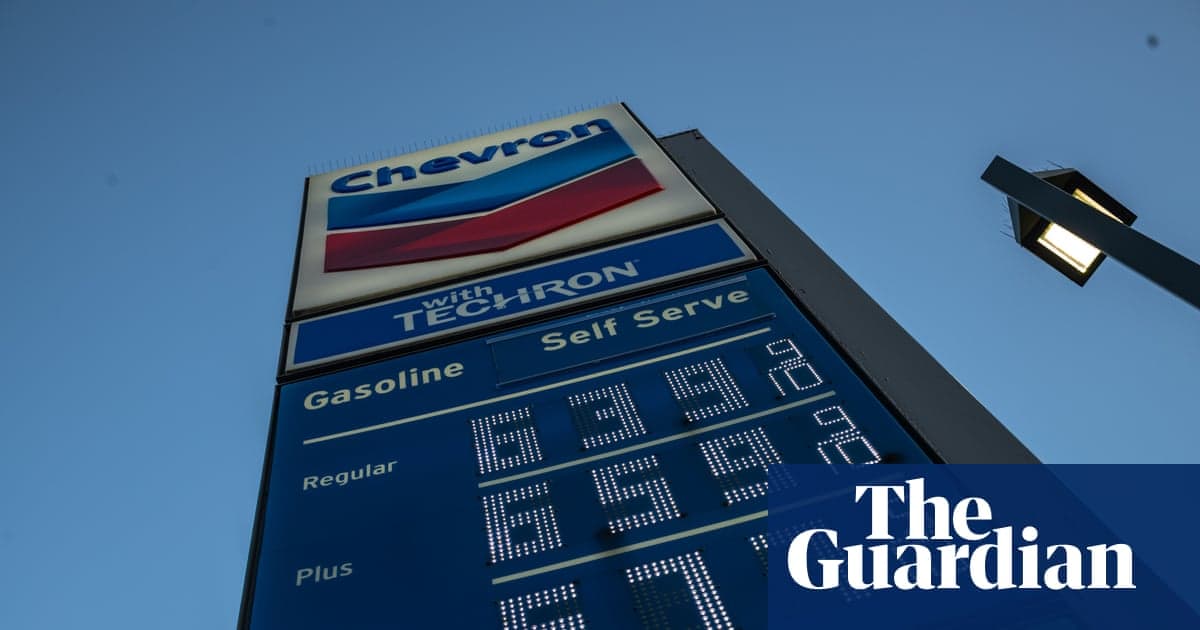
Even if the Iran War Ended Today, US Fuel Prices Aren’t Likely to Normalize This Year
Companies Mentioned
Why It Matters
Persistently high fuel prices erode household disposable income and strain transportation‑heavy sectors, while prolonged supply uncertainty can reshape global oil trading strategies and strategic reserve policies.
Key Takeaways
- •US gasoline averages $4.55, $1.50 above pre‑war level
- •Strait of Hormuz handles ~20 million barrels/day, 25% of global trade
- •Experts estimate 6‑24 months to return to pre‑war prices
- •Logistics add 3‑5 weeks to normalize supply after conflict ends
- •Jet fuel may normalize faster than gasoline due to airline adjustments
Pulse Analysis
The ongoing Iran‑Israel confrontation has injected a hefty premium into U.S. fuel markets. With the Strait of Hormuz—through which roughly a quarter of the world’s seaborne crude passes—effectively throttled, the national average pump price has climbed to $4.55, a level not seen since the early 2020s. This spike mirrors the war‑induced risk premium that analysts compare to the early‑2000s Gulf War, underscoring how geopolitical flashpoints can quickly translate into consumer‑level price shocks.
Even if diplomatic channels were to secure an immediate cease‑fire, the oil supply chain cannot rebound overnight. Restarting offshore wells, clearing backlogged tanker traffic, and reheating refineries each demand weeks of coordinated effort. Experts from Dow Jones Energy and Argus Media point to a 30‑ to 60‑day conversion lag from crude to finished fuel, plus an additional three‑to‑five‑week window to reposition vessels and verify infrastructure integrity. Consequently, market forecasts place the timeline for price normalization anywhere between six months and two years, depending on the speed of repairs and the extent of remaining bottlenecks.
For American drivers and businesses, the outlook means sustained cost pressures throughout the summer driving season. While airlines can trim routes and tap alternative fuel sources—potentially easing jet‑fuel prices sooner—ground transportation faces a longer adjustment period, especially for diesel, which has been tight for years. Policymakers may see renewed interest in strategic petroleum reserves as countries like India, Pakistan, South Korea and Japan consider buffer stocks to mitigate future supply shocks. In the meantime, consumers should brace for volatile pump prices that are unlikely to revert to pre‑war $3‑per‑gallon levels before 2027.
Even if the Iran war ended today, US fuel prices aren’t likely to normalize this year
Comments
Want to join the conversation?
Loading comments...