Extreme Weather Pushes Easter Lamb Prices up by a Fifth
Why It Matters
Higher lamb costs tighten household food budgets and signal broader vulnerability of meat supply chains to climate change.
Key Takeaways
- •Drought reduces pasture growth, raising feed costs.
- •Heat stress lowers lamb weight gain efficiency.
- •Heavy rains damage grazing lands, limiting supply.
- •Retail lamb prices up 7‑21% for Easter.
- •Consumers may switch to alternative proteins.
Pulse Analysis
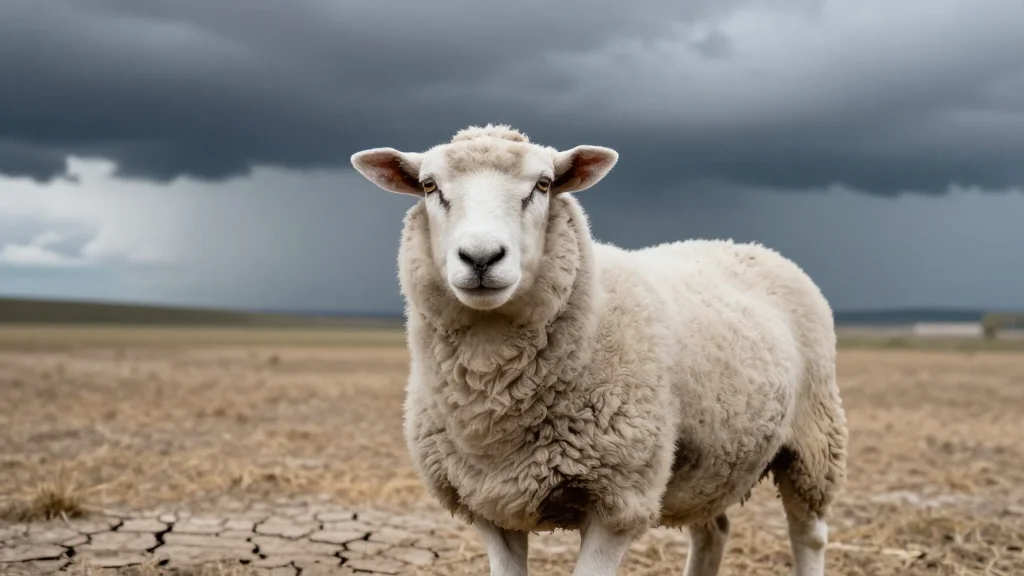
The UK lamb sector is feeling the immediate impact of a cascade of climate extremes. Droughts have stripped pastures of the lush grass lambs rely on, forcing farmers to purchase supplemental feed at higher prices. Simultaneously, unprecedented heatwaves stress the animals, slowing weight gain and increasing mortality rates, while heavy rainfall later in the season can water‑log fields, further curtailing usable grazing land. These combined pressures compress supply, prompting retailers to raise Easter lamb prices by as much as one‑fifth compared with pre‑crisis levels.
For consumers, the price jump translates into a noticeable dent in holiday food budgets, especially for families that view a roast lamb as a cultural staple. The higher cost may accelerate a shift toward cheaper protein alternatives such as poultry, plant‑based options, or even imported meat, reshaping demand patterns in the short term. Retailers, meanwhile, must balance margin protection with the risk of alienating price‑sensitive shoppers, potentially offering promotional bundles or smaller cuts to retain market share. The broader food‑inflation picture also feeds into national inflation metrics, adding pressure on policymakers to address supply‑side resilience.
Looking ahead, the lamb market’s exposure to climate volatility underscores the need for adaptive agricultural strategies. Investment in drought‑resistant forage, precision livestock monitoring, and diversified feed sources can mitigate some of the price volatility. Government incentives for sustainable farming practices and climate‑smart infrastructure may also help stabilize supply. As climate risk becomes a permanent factor in commodity pricing, businesses and consumers alike will need to factor weather‑linked cost fluctuations into their long‑term planning.
Extreme weather pushes Easter lamb prices up by a fifth
Comments
Want to join the conversation?
Loading comments...