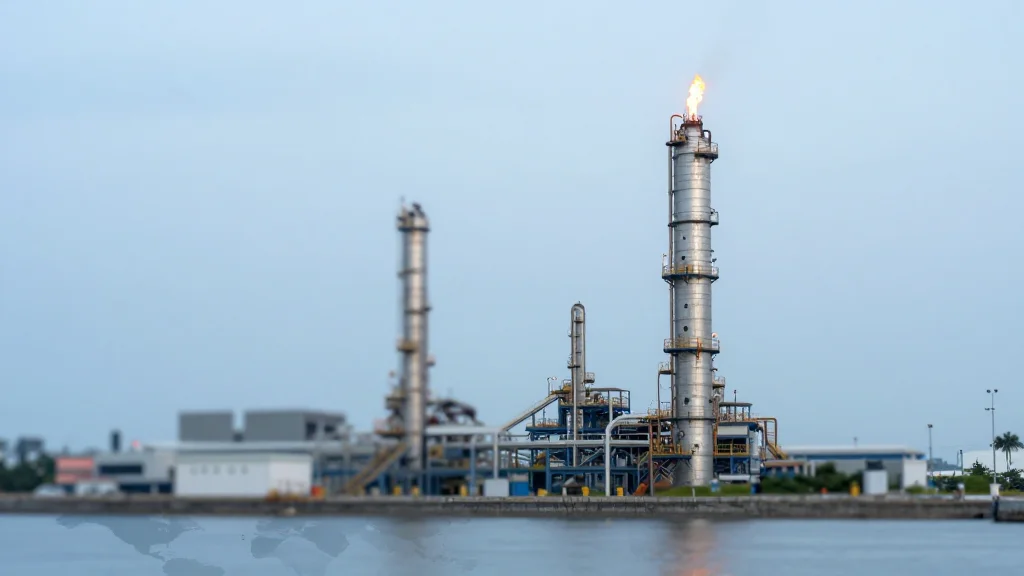
Exxon, Chevron Ramp Refinery Utilization Amid Mideast Crisis
Companies Mentioned
Why It Matters
Higher utilization lifts refining margins and positions the companies to profit from price spikes, while providing critical supply relief to a market strained by geopolitical risk. This dynamic could shape global oil pricing and investor sentiment throughout the year.
Key Takeaways
- •Exxon and Chevron target >95% refinery run rates
- •Strait of Hormuz disruptions push crude prices to 5‑year highs
- •Higher utilization expected to lift refining margins by 30‑40 bps
- •U.S. Gulf Coast capacity becomes critical buffer for global supply
- •Prolonged tension could sustain elevated product prices through year‑end
Pulse Analysis
The Strait of Hormuz, a chokepoint that carries roughly a third of the world’s oil shipments, has been teetering on the brink of closure after a series of regional skirmishes and naval threats. Shipping delays and the threat of outright blockage have forced traders to reroute cargoes, inflating freight costs and pushing Brent crude above $90 per barrel—levels not seen since 2018. Refined product markets have felt the ripple, with gasoline and diesel futures climbing to multi‑year peaks as inventories tighten.
Exxon Mobil and Chevron have responded by pushing their Gulf Coast complexes toward run rates exceeding 95%, a level rarely sustained outside of seasonal peaks. Higher utilization allows the refiners to capture the spread between soaring crude inputs and premium product prices, potentially adding 30 to 40 basis points to their refining margins. Both companies have also accelerated maintenance turnarounds and tapped additional feedstock from alternative sources to keep the plants humming, while monitoring safety and environmental constraints that accompany near‑full capacity operations.
The aggressive push by the two oil majors not only bolsters their earnings outlook but also provides a de‑risking buffer for the broader U.S. fuel market, which has been under pressure from dwindling inventories. Analysts expect the elevated utilization to keep product price spreads tight, supporting downstream profitability through at least the fourth quarter if the Hormuz tension persists. Investors are watching closely, as sustained high margins could translate into stronger cash flow and dividend capacity, while any de‑escalation in the Middle East could quickly reverse the pricing premium and test the refiners’ flexibility.
Exxon, Chevron Ramp Refinery Utilization Amid Mideast Crisis
Comments
Want to join the conversation?
Loading comments...