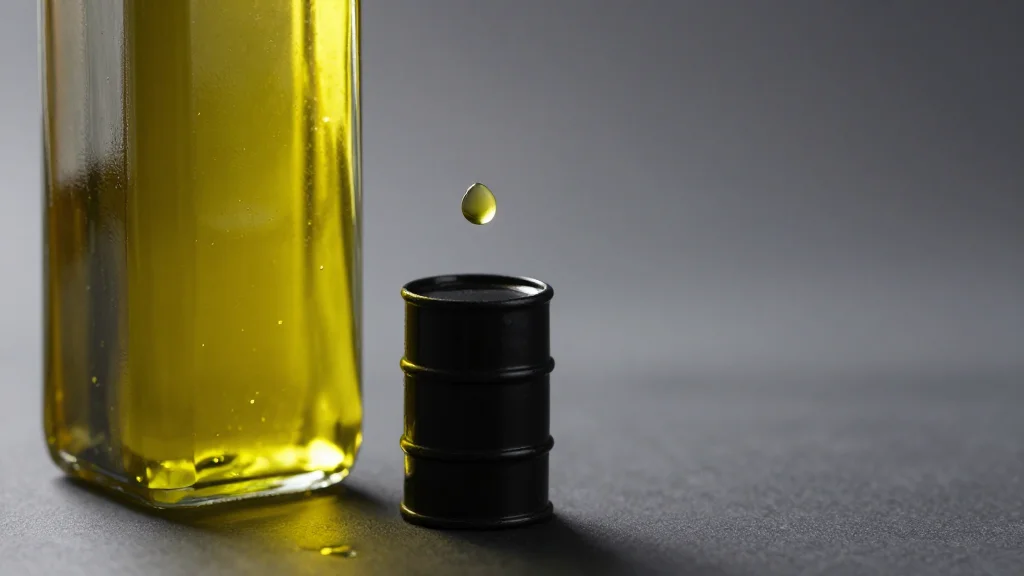
FAO Food Price Index Climbs 1.6% in April as Near East Conflict Fuels Vegetable Oil Surge

Why It Matters
The upward trajectory of the FAO Food Price Index signals that global food inflation is re‑accelerating after a period of relative stability. Higher vegetable‑oil and meat prices directly affect consumer bills in both developed and emerging markets, tightening household budgets and raising the risk of social unrest. Moreover, the World Bank’s warning that prolonged oil price spikes could push an additional 45 million people into acute food insecurity underscores the systemic vulnerability of food systems to geopolitical shocks, especially in regions that rely heavily on imported staples. If the Strait of Hormuz remains a chokepoint for energy and fertilizer shipments, input costs for farmers worldwide could stay elevated, prompting a shift toward less fertilizer‑intensive crops and potentially reshaping global agricultural trade patterns. Policymakers will need to balance short‑term relief measures—such as strategic reserves releases—with longer‑term strategies to diversify supply chains and reduce dependence on volatile oil‑linked inputs.
Key Takeaways
- •FAO Food Price Index rose to 130.7 points in April, up 1.6% month‑on‑month.
- •Vegetable‑oil index jumped 5.9%, its highest level since July 2022.
- •FAO Meat Price Index hit a record high, up 1.2% from March and 6.4% YoY.
- •World Bank projects global commodity prices to increase 16% in 2026.
- •Brent crude peaked at $118 per barrel in March, a 64% rise from February.
Pulse Analysis
The latest FAO data suggests that the current food‑price rally is less a seasonal blip and more a symptom of structural stressors. The Strait of Hormuz, a narrow maritime corridor that handles roughly 20% of global oil shipments and a sizable share of fertilizer exports, has become a geopolitical flashpoint. Disruptions there translate into higher energy costs, which cascade through the entire agrifood value chain—raising fertilizer prices, inflating transport costs, and ultimately lifting commodity prices at the consumer level.
Historically, spikes in oil prices have been mirrored by food‑price inflation, but the magnitude this time is amplified by the simultaneous surge in biofuel demand for vegetable oils. Policymakers in major oil‑producing nations may be incentivized to keep oil prices elevated to fund fiscal deficits, while biofuel mandates in the EU and the United States keep demand for palm, soy, and rapeseed oils robust. This confluence creates a perfect storm for food‑price volatility, especially for import‑dependent economies in Africa and the Near East.
Looking forward, the market’s trajectory will hinge on two variables: the duration of the Hormuz disruption and the policy response to soaring fertilizer costs. If diplomatic channels can de‑escalate the conflict, we may see a gradual easing of input costs and a stabilization of the FPI by mid‑year. Conversely, a protracted standoff could embed higher price floors for key commodities, prompting a re‑allocation of agricultural acreage toward less input‑intensive crops and reshaping global trade flows for the next decade.
FAO Food Price Index Climbs 1.6% in April as Near East Conflict Fuels Vegetable Oil Surge
Comments
Want to join the conversation?
Loading comments...