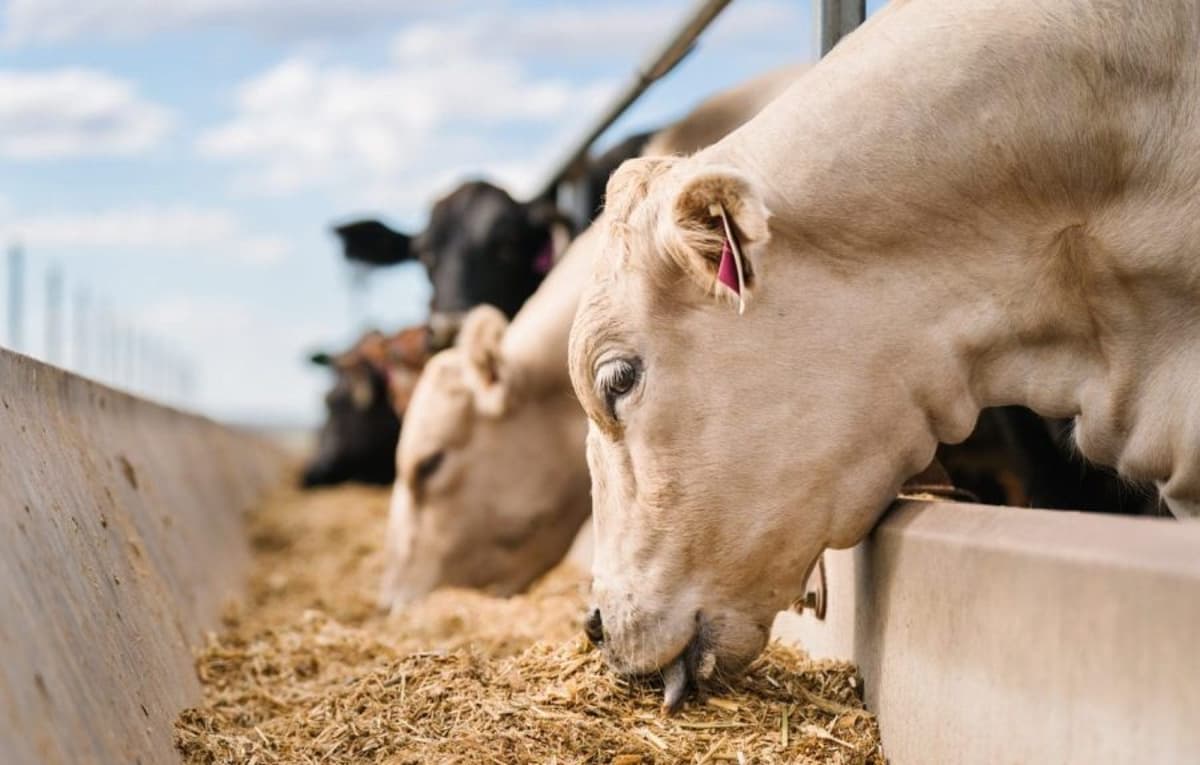
Feeder Cattle Market: Heavy Cattle Weighing Down Northern Prices
Why It Matters
The split in feeder cattle pricing underscores how weather extremes and inventory pressures can quickly reshape supply‑demand balances, influencing producer margins and downstream meat processing plans.
Key Takeaways
- •Flat‑back feeder steers in Darling Downs fell to 450‑470 c/kg.
- •Angus steers held at 500‑535 c/kg, widening breed price gap.
- •Heavy feeder prices rose in NSW but fell 17 c in Queensland.
- •Cyclone Maila and cold snaps drive regional price divergence.
- •Yarding volumes high: Tamworth 6,200; Gunnedah 7,180; Roma 7,000.
Pulse Analysis
Weather has become a decisive factor in Australia’s feeder cattle market this month. A weakening tropical cyclone moving across northern Queensland brought rain that slowed weight gains, while a sudden cold front in New South Wales pushed temperatures below zero in Glen Innes. Those contrasting conditions translated into a 10‑cent drop for flat‑back steers in the Darling Downs and a 17‑cent decline for heavy feeders in Queensland, even as New South Wales saw an 18‑cent rise. Traders are closely watching the Bureau of Meteorology forecasts, as any further precipitation or frost could deepen regional price splits.
The breed‑specific price spread is another story. Angus steers have held firm at 500‑535 c/kg across both north and south, whereas cross‑bred, flat‑back steers slipped to the mid‑460s. This widening gap gives producers an incentive to favor Angus genetics for better price stability, especially when processing capacity is constrained. Meat & Livestock Australia’s feeder steer indicator, now at 456 c/kg, reflects a 7‑cent weekly dip but a 32‑cent monthly slide, signalling broader market softness that could pressure margins if feed costs remain high.
Inventory dynamics add a further layer of complexity. Large yarding numbers—6,200 head in Tamworth, 7,180 in Gunnedah, and 7,000 in Roma—show that yards are flushing out the backlog from earlier short processing weeks. While heavy feeders in NSW are holding firm, the influx of cattle may soon outpace slaughter capacity, potentially prompting price corrections. Producers and meat packers alike must balance the immediate weather‑driven price volatility with longer‑term supply chain constraints to navigate the coming weeks effectively.
Feeder cattle market: Heavy cattle weighing down northern prices
Comments
Want to join the conversation?
Loading comments...