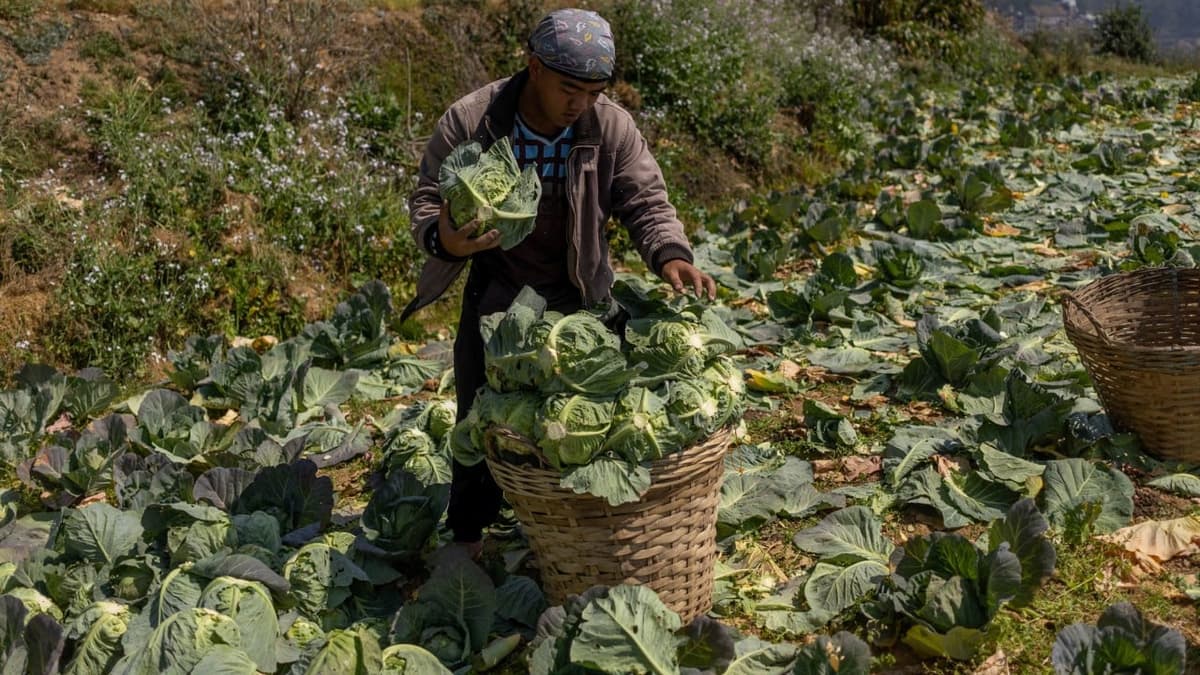
Filipino Farmers Leave Crops to Rot as Fuel Prices Drive up Cost of Harvest
Why It Matters
The situation exposes a fragile food‑supply chain and raises the risk of higher vegetable prices, threatening food security and rural incomes across the archipelago.
Key Takeaways
- •Fuel price surge inflates harvest costs.
- •Farmers abandon crops to avoid losses.
- •Buyers cut orders amid weak demand.
- •Consumers shift to cheaper staples.
- •Philippines' import‑dependent fuel exposes agriculture.
Pulse Analysis
The recent escalation of oil prices, sparked by the Middle‑East war, has rippled through economies that depend heavily on imported fuel. In the Philippines, where over 90% of diesel and gasoline are sourced abroad, the cost of operating tractors, running irrigation pumps, and moving produce to market has jumped sharply. These higher input expenses erode profit margins for smallholder farmers, especially in high‑altitude regions like Benguet where logistics already consume a large share of revenue.
Facing mounting transport and labour bills, many growers are opting to let crops rot rather than incur further losses. This harvest abandonment reduces supply at the wholesale level, while inflation‑pressured households cut back on fresh vegetables, favoring low‑cost, calorie‑dense alternatives such as instant noodles. The dual shock of rising costs and dwindling demand creates a feedback loop that squeezes both producers and retailers, potentially driving up retail vegetable prices and widening nutrition gaps in low‑income communities.
Policymakers must address the structural vulnerability exposed by the crisis. Short‑term measures could include targeted fuel subsidies, low‑interest credit for farmers, and temporary tax relief on agricultural inputs. Longer‑term strategies involve diversifying energy sources, investing in renewable‑powered irrigation, and strengthening domestic fuel reserves. Enhancing supply‑chain resilience—through better storage facilities and cooperative marketing—can also mitigate future shocks, ensuring that Filipino farms remain productive and that food remains affordable for the nation’s growing population.
Filipino farmers leave crops to rot as fuel prices drive up cost of harvest
Comments
Want to join the conversation?
Loading comments...