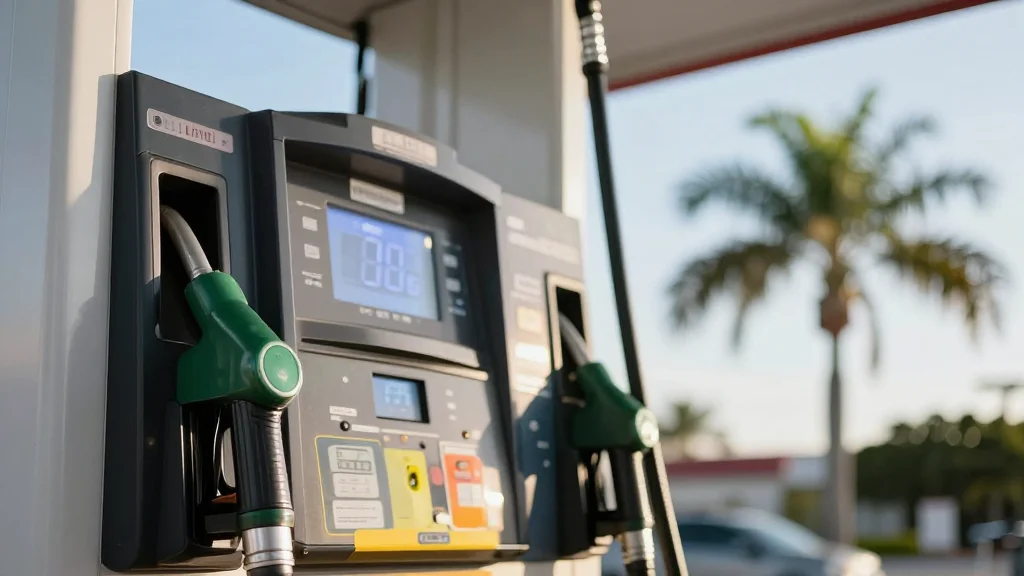
Florida Gasoline Prices Dip Below $4 per Gallon Amid Regional Decline

Why It Matters
The Florida price dip provides a real‑time barometer of how regional supply chains and geopolitical shocks translate into consumer costs. A sustained sub‑$4 environment could boost discretionary spending and improve sentiment in a state heavily reliant on tourism. Conversely, a rapid rebound would underscore the fragility of fuel markets to external shocks, reinforcing the need for diversified energy strategies. Beyond the Sunshine State, the episode illustrates how digital price‑monitoring platforms are reshaping consumer behavior, pressuring retailers to adjust margins more frequently. Policymakers and industry leaders can use these data points to gauge the effectiveness of strategic petroleum reserves and to anticipate the fiscal impact of fuel price volatility on state economies.
Key Takeaways
- •Florida's average gasoline price fell to $3.99 per gallon on April 20, a $0.02 weekly drop.
- •North Florida posted the lowest rates (as low as $3.71), while Naples and Palm Beach County remained above $4.07.
- •National average slipped to $4.04, an eight‑cent decline, according to AAA.
- •Patrick De Haan of GasBuddy warned that Middle‑East tensions could push prices back above $4 within 48 hours.
- •Digital tools like the GasBuddy app are amplifying price competition among Florida stations.
Pulse Analysis
Florida's brief plunge below $4 per gallon underscores the elasticity of regional fuel markets when global oil prices soften. Historically, the state has mirrored national trends but often lags due to its heavy reliance on Gulf Coast refineries. The current spread between the cheapest and most expensive counties—over 45 cents—signals that local competition can produce meaningful consumer savings, especially when retailers adjust margins in response to real‑time price data.
However, the underlying volatility remains tied to geopolitical risk. The Strait of Hormuz closure earlier this week sent Brent crude above $80, a level that historically translates into a 5‑10 cent increase at the pump within a week. If the disruption persists, Florida's price advantage could evaporate, eroding the modest gains for commuters and tourists alike. This dynamic highlights the importance of strategic petroleum reserves and the potential role of alternative fuels in buffering short‑term shocks.
Looking forward, the convergence of digital price‑tracking, tighter refinery margins, and geopolitical uncertainty will likely produce a more erratic pricing environment. Stakeholders—from policymakers to station owners—must balance short‑term consumer relief with longer‑term resilience strategies, such as investing in biofuel blends or expanding electric‑vehicle charging infrastructure, to mitigate the impact of future oil market turbulence.
Florida gasoline prices dip below $4 per gallon amid regional decline
Comments
Want to join the conversation?
Loading comments...