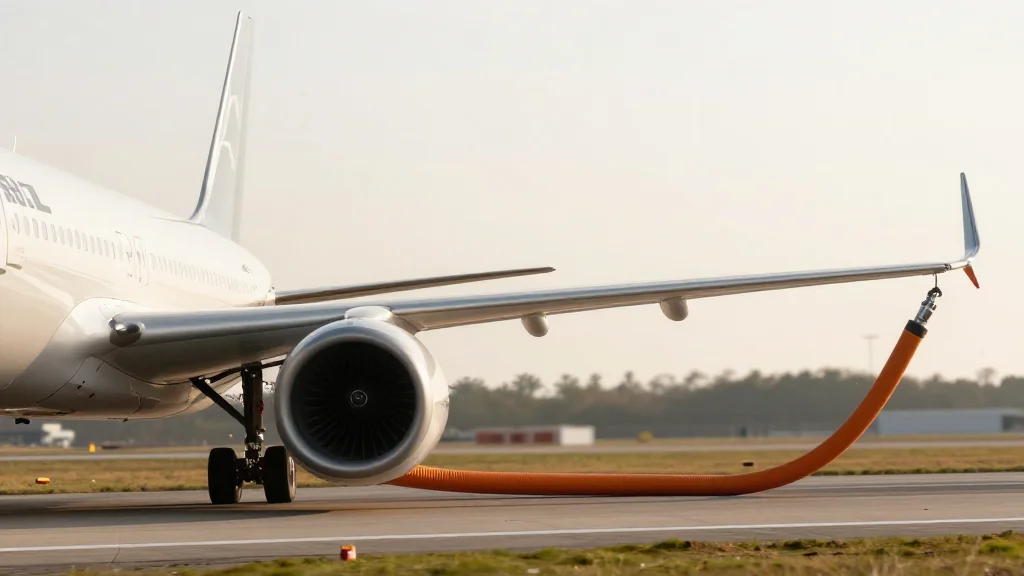
Fuel Crisis Forces Airlines to Cancel Flights Globally
Why It Matters
The crisis threatens airline profitability and passenger mobility, accelerating a shift toward fuel‑risk management and greener aviation solutions across the industry.
Key Takeaways
- •Jet fuel prices up ~45% year‑over‑year
- •Airlines cutting roughly 10% of scheduled flights
- •Estimated revenue loss $5 billion globally this quarter
- •Europe faces most severe flight cancellations
- •Carriers expanding hedging and alternative‑fuel initiatives
Pulse Analysis
The current fuel crisis stems from a confluence of supply‑chain bottlenecks, geopolitical sanctions on major oil exporters, and unexpected refinery shutdowns in key producing regions. These factors have driven jet‑fuel benchmarks to record highs, with spot prices climbing roughly 45% compared with the same period last year. For airlines, fuel accounts for nearly 30% of operating costs, so the sudden price inflation directly squeezes margins and forces immediate cost‑containment measures.
Airlines are responding by aggressively trimming capacity, canceling up to 10% of flights across major hubs, and postponing route expansions. The operational pullback translates into significant revenue gaps—analysts estimate a $5 billion hit to global airline earnings this quarter alone. Passengers face longer travel times, higher fares, and reduced connectivity, especially in Europe and Asia where the fuel shock is most acute. The ripple effect also pressures airport services, tourism sectors, and corporate travel budgets.
In the longer term, carriers are accelerating fuel‑risk strategies, expanding hedging contracts to lock in lower prices and investing in sustainable aviation fuel (SAF) pipelines. Industry groups are lobbying for policy incentives that support SAF production and alternative energy research, aiming to decouple future growth from volatile fossil‑fuel markets. These adaptations could reshape the competitive landscape, rewarding airlines that successfully integrate green fuel solutions and robust risk‑management frameworks while penalizing those reliant on traditional fuel procurement models.
Fuel crisis forces airlines to cancel flights globally
Comments
Want to join the conversation?
Loading comments...