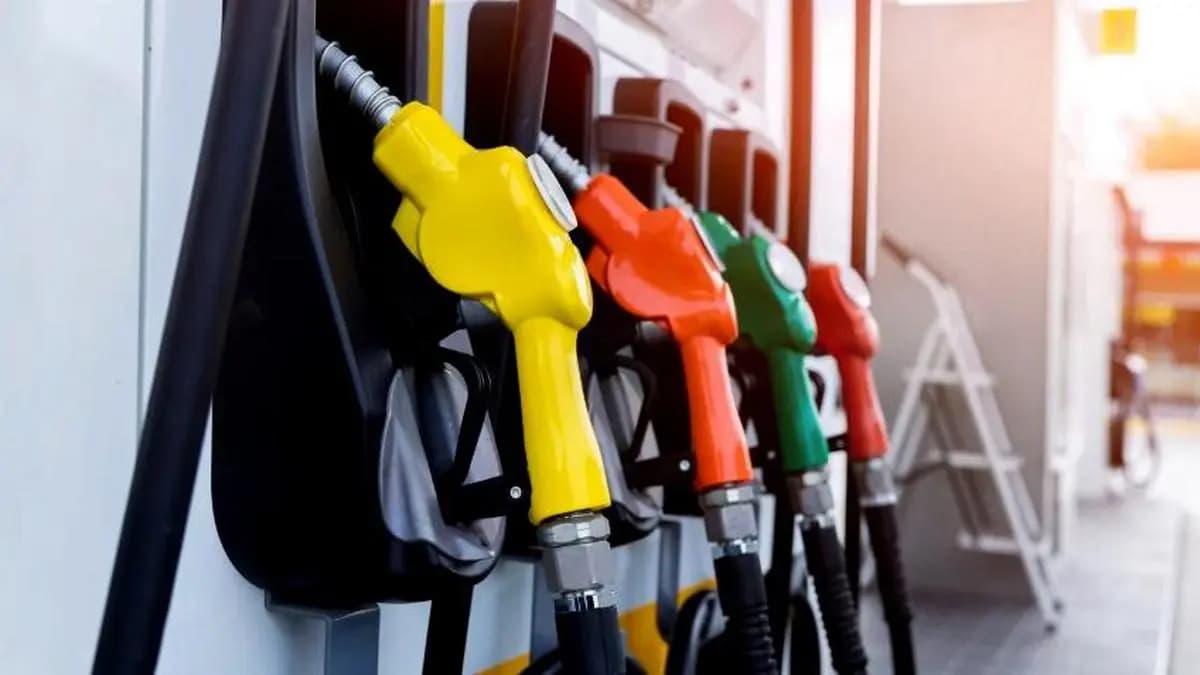
Fuel Price Freeze: ₹18/Litre Loss on Petrol, ₹35 on Diesel
Companies Mentioned
Why It Matters
The sustained losses erode profitability of India’s major oil‑marketing companies and pressure government revenues, while exposing the economy to heightened fiscal and external‑balance risks.
Key Takeaways
- •IOC, BPCL, HPCL lose ₹18‑₹35 per litre on frozen prices.
- •Daily losses fell to ₹1,600 crore after ₹10 excise cut.
- •Full excise removal still wouldn't cover OMC losses at current rates.
- •Fuel price hikes likely after West Bengal, Tamil Nadu elections.
- •India's fuel excise duties now only 8% of FY26 revenue.
Pulse Analysis
India’s three state‑owned oil‑marketing companies have been selling petrol and diesel at frozen retail rates for more than four years, a policy that now costs them roughly ₹18 ($0.22) and ₹35 ($0.43) per litre respectively. The disparity between pump prices and soaring input costs – driven by crude oil moving from $70 to $120 per barrel – has pushed daily losses from a peak of ₹2,400 crore ($292 million) to about ₹1,600 crore ($195 million) after a modest ₹10‑per‑litre excise reduction. This loss structure underscores the vulnerability of OMC earnings to even modest $10‑per‑barrel crude swings, which add roughly ₹6 ($0.07) per litre to the deficit.
The fiscal fallout is equally stark. A full rollback of the recent ₹10 excise cut would shave roughly $36 billion off government revenue, potentially widening the fiscal deficit by 80 basis points. Fuel excise duties, once 22% of FY 17 revenue, now contribute just 8% of FY 26 collections, reflecting a broader shift in the fiscal mix. Simultaneously, higher crude imports – about 88% of India’s demand – threaten the external balance, with the current‑account gap projected to swell to $20 billion in early 2026, a $10‑per‑barrel crude rise could add another 30 basis points of GDP to the deficit.
Looking ahead, political timing adds another layer of uncertainty. State elections in West Bengal and Tamil Nadu are expected to trigger retail fuel price hikes, as OMCs seek to restore margins eroded by the freeze. With the sector’s break‑even crude price estimated at $80‑$85 per barrel, any sustained price above this level squeezes profitability, while EBITDA swings about 5% for each $1 change in crude. Consequently, analysts like Macquarie are steering investors toward utilities rather than oil‑marketing firms until price stability and policy clarity improve.
Fuel price freeze: ₹18/litre loss on petrol, ₹35 on diesel
Comments
Want to join the conversation?
Loading comments...