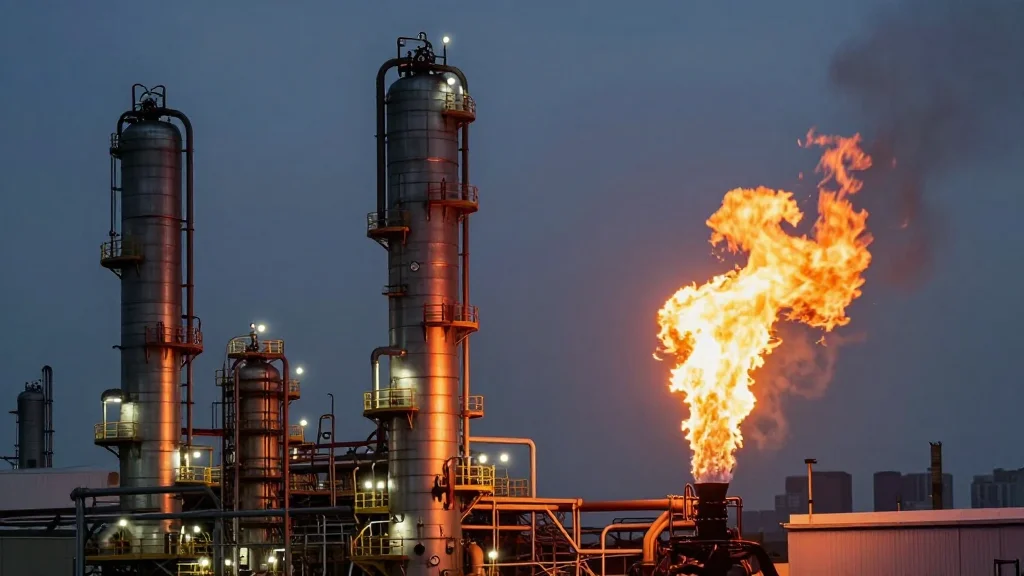
Geelong Refinery Fire Deepens Australia's Fuel Crunch

Why It Matters
The Geelong refinery fire highlights the vulnerability of Australia's domestic fuel supply chain, especially when external shocks such as geopolitical conflicts disrupt global oil markets. A prolonged outage could push gasoline and diesel prices back toward the record highs seen earlier this month, eroding recent consumer relief and potentially slowing economic activity that depends on affordable transport costs. Moreover, the incident may accelerate policy discussions about expanding refining capacity or diversifying energy sources to reduce reliance on a limited number of domestic plants. For regional economies, the refinery is a major employer and a critical infrastructure asset. Its shutdown not only affects fuel availability but also has ripple effects on logistics, manufacturing and retail sectors that depend on steady fuel supplies. The event could prompt a reassessment of strategic reserve policies and emergency response frameworks, ensuring that future supply shocks are mitigated more effectively.
Key Takeaways
- •Fire at Geelong refinery halts ~30,000 barrels/day processing capacity
- •Australian gasoline prices had fallen >10% after government relief measures
- •Geelong output represents ~15% of national refined fuel supply
- •Importers face higher costs amid global shipping constraints and Iranian war impact
- •Government may extend strategic reserve drawdown and consider further tax reliefs
Pulse Analysis
Australia's fuel market has been navigating a perfect storm of external and internal pressures. The Iranian war has tightened global crude supplies, while domestic refining capacity has been eroding for over a decade. The Geelong fire is a flashpoint that exposes how a single facility can tip the balance from modest recovery to renewed scarcity. Historically, Australia relied on a network of six refineries; today only three remain operational, making each plant's uptime critical.
The government's swift policy toolkit—tax cuts, reserve releases, and relaxed diesel standards—proved effective in pulling gasoline prices down more than 10% in a short window. However, the Geelong incident tests the durability of those measures. If imports cannot fill the shortfall quickly, price volatility could return, undermining consumer confidence and potentially prompting political backlash against the current administration's energy strategy.
Looking forward, the episode may catalyze a broader debate on energy security. Stakeholders are likely to push for incentives to modernize existing refineries or attract new entrants, while environmental groups may argue for accelerated transition to renewable fuels. The balance between short‑term supply stability and long‑term decarbonization goals will shape policy decisions in the months ahead.
Geelong Refinery Fire Deepens Australia's Fuel Crunch
Comments
Want to join the conversation?
Loading comments...