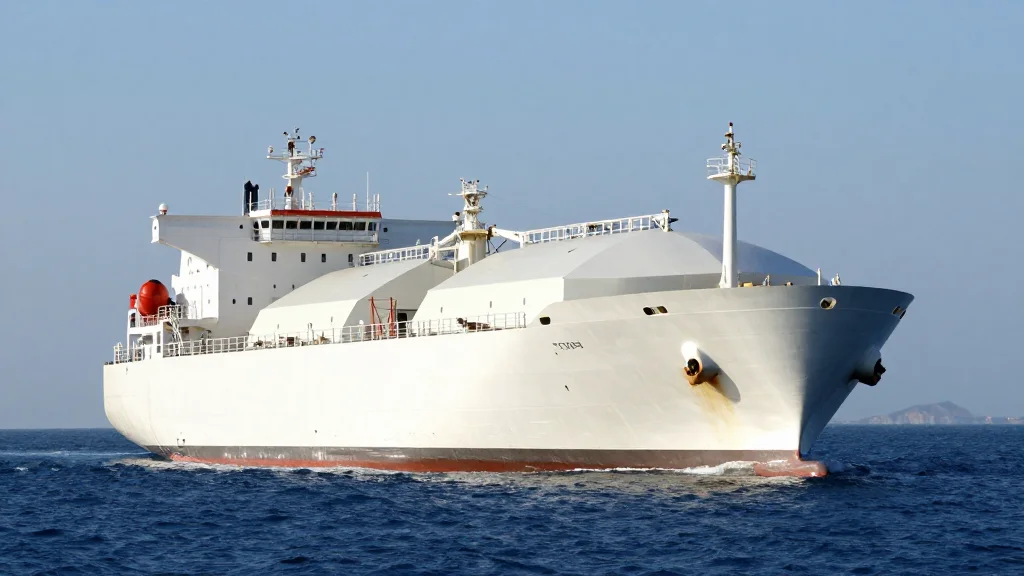
Global LNG Supply Plummets 20% After Iran Conflict Hits QatarEnergy

Why It Matters
The 20% contraction in global LNG supply highlights the fragility of energy markets that depend on narrow maritime corridors. With the Strait of Hormuz handling a disproportionate share of gas exports, any disruption reverberates through pricing, contract negotiations, and energy security strategies worldwide. For import‑dependent economies in Asia and Europe, the shortfall forces a rapid shift toward alternative fuels, potentially accelerating the transition to renewables and reshaping long‑term gas demand curves. Moreover, the loss of Qatar’s LNG capacity – a cornerstone of the global supply chain – could alter investment flows, prompting developers to prioritize diversification through FLNG, green hydrogen, and expanded pipeline networks. The cumulative 120 bcm deficit projected through 2030 may also influence policy decisions, as governments balance short‑term energy needs against climate commitments.
Key Takeaways
- •IEA reports an 8% YoY drop in LNG production in March, equating to a 20% global supply loss.
- •Iranian strikes forced QatarEnergy to declare force majeure, cutting 4 bcm of output.
- •Each month without Hormuz shipments removes ~10 bcm of LNG from the market.
- •Supply shortfall from Qatar and UAE expected to total ~20 bcm between March and April.
- •Cumulative projected loss of 120 bcm of LNG from 2026‑2030 could delay market growth by two years.
Pulse Analysis
The latest IEA data underscores a stark reality: geopolitical risk is now a primary driver of commodity volatility, eclipsing traditional demand‑supply fundamentals. Historically, LNG markets have absorbed regional disruptions through a flexible cargo‑trading system, but the simultaneous loss of both volume and infrastructure in Qatar creates a double shock that cannot be easily mitigated by spot purchases alone. This scenario is likely to catalyze a strategic pivot among large importers, who will diversify away from single‑source dependence and accelerate contracts with emerging exporters like the United States, Mozambique, and the United States' Gulf Coast projects.
In the medium term, the two‑year delay in the anticipated "LNG wave" – a term used to describe the rapid expansion of liquefaction capacity expected to meet rising Asian demand – could reshape the competitive landscape. Companies that have already invested in floating LNG (FLNG) and modular liquefaction may gain a relative advantage, as they can deploy capacity more quickly and in locations less vulnerable to chokepoint closures. Meanwhile, investors are likely to reassess risk premiums on Middle‑East assets, potentially driving higher financing costs for new projects in the region.
Looking ahead, the market’s response will hinge on diplomatic developments around the Strait of Hormuz. A swift de‑escalation could restore a portion of the lost supply, but the physical damage to Qatar’s liquefaction plants suggests a longer recovery timeline. Energy planners and policymakers must therefore incorporate scenario‑based planning that accounts for both short‑term price spikes and a more protracted shift in the global gas supply mix. The IEA’s warning serves as a catalyst for re‑examining energy security strategies, emphasizing the need for resilient, diversified supply chains in an increasingly volatile geopolitical environment.
Global LNG Supply Plummets 20% After Iran Conflict Hits QatarEnergy
Comments
Want to join the conversation?
Loading comments...