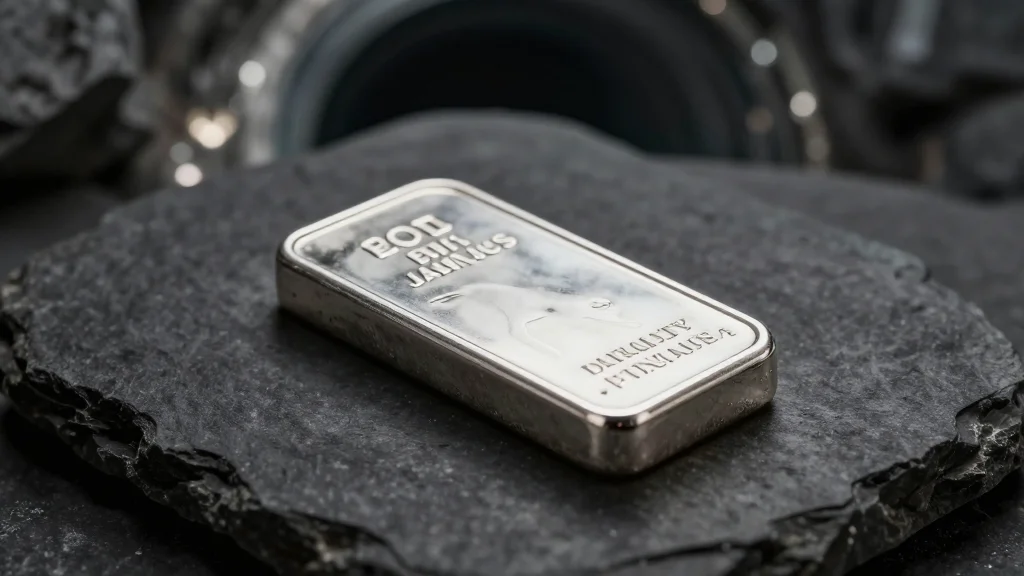
Gold Digger: Silver Faces Sixth Annual Deficit as Market Moves Into ‘Era of Reduced Stocks’
Companies Mentioned

Why It Matters
A prolonged deficit and shrinking inventories tighten market liquidity, amplifying price swings and influencing both industrial users and investors in precious metals.
Key Takeaways
- •2026 silver deficit projected at 46.3 million ounces.
- •Exchange‑traded product demand pushes effective deficit to 318.4 Moz.
- •Spot silver hit $100/oz in January, up 42% YoY.
- •Industrial use still >50% of demand but fell 3% in 2025.
- •Analysts expect tighter liquidity and larger price swings ahead.
Pulse Analysis
Silver’s market narrative has shifted from a supply‑driven surplus to a chronic deficit, now entering its sixth year in a row. The World Silver Survey attributes the shortfall to a modest 7% rise in supply—driven by higher mine output and recycling—against a 2% dip in demand, leaving a physical gap of roughly 40.3 million ounces in 2025 and an even larger 46.3 million ounces in 2026. Industrial applications, from solar photovoltaics to AI data‑center components, still dominate consumption, yet the sector’s demand slipped for the first time since the pandemic, underscoring the market’s sensitivity to price pressures.
Investor appetite for silver has intensified through exchange‑traded products, which surged 312% to 278.1 million ounces last year. When net ETP holdings are factored in, the effective deficit balloons to 318.4 million ounces, a stark contrast to the physical shortfall. This influx of paper exposure has strained physical inventories, prompting a liquidity squeeze that propelled spot prices from $40 to over $100 per ounce within months. Lease rates have become erratic, and the market’s depth has thinned, making price movements more pronounced and less predictable.
Looking ahead, analysts remain cautiously optimistic. While the deficit is unlikely to reverse soon, they anticipate that tighter stocks will sustain higher price floors, especially if geopolitical tensions or inflationary pressures revive safe‑haven demand. However, mining firms face structural challenges; most silver is a by‑product of gold, copper, and zinc, limiting rapid output expansion. Investors should monitor ETP flows, lease market dynamics, and industrial demand trends, as these factors will shape silver’s volatility and its role in diversified portfolios.
Gold Digger: Silver faces sixth annual deficit as market moves into ‘era of reduced stocks’
Comments
Want to join the conversation?
Loading comments...