Gold Loses Its Shimmer in Asia over Rising Oil Prices, Hawkish Fed Stance
Companies Mentioned
Why It Matters
The shift away from gold reduces demand for a key Asian export market and signals tighter monetary policy that could curb commodity price inflation, affecting investors and manufacturers alike.
Key Takeaways
- •Gold fell 12% to $4,620/oz after hitting $5,248 in Feb.
- •Rising oil prices revive inflation fears, prompting hawkish Fed stance.
- •Asia, responsible for 70% of gold sales, shows weaker buying momentum.
- •World Gold Council forecasts 2026 average $4,600/oz, citing higher‑for‑longer rates.
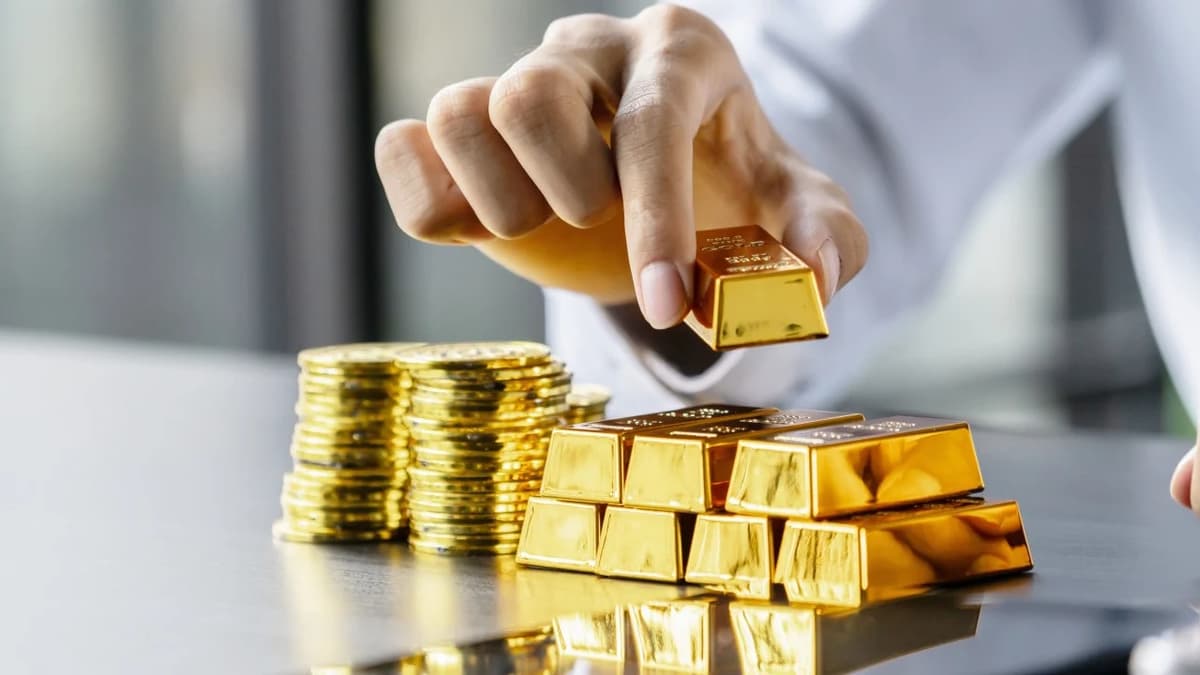
- •Large gold bar demand falls; small bars and coins stay strong.
Pulse Analysis
The gold market’s recent rally, which saw prices surge to an all‑time high of $5,602 per ounce early this year, was fueled by pandemic‑era stimulus, low‑interest rates, and geopolitical uncertainty. That momentum has now been eroded by a sharp rise in oil prices, pushed above $110 a barrel as the Iran‑U.S. conflict tightens supply. Higher energy costs have rekindled inflation worries, prompting the Federal Reserve and other central banks to adopt a more hawkish tone, which in turn makes yield‑bearing assets more appealing than a non‑yielding safe‑haven like gold.
In Asia, where roughly 70% of global gold sales originate, the price correction is already visible. Traditional buying spikes, such as India’s Akshaya Tritiya festival, saw muted participation, and dealers report a noticeable shift from large 100‑gram to 1‑kilogram bars toward smaller denominations and investment coins. The World Gold Council’s forecast of an average $4,600 per ounce in 2026 reflects expectations that higher‑for‑longer rates will keep pressure on the metal, even as overall demand grew 2% in the first quarter, driven by a 74% jump in purchase value.
For investors, the current environment underscores the importance of monitoring macro‑policy signals and commodity price dynamics. While gold remains a hedge against geopolitical risk, its upside is constrained while oil stays elevated and the Fed maintains a restrictive stance. Market participants may look to the upcoming U.S. mid‑term elections and any de‑escalation in the Middle East for potential catalysts that could revive demand, especially for larger bars, but short‑term volatility is likely to persist.
Gold loses its shimmer in Asia over rising oil prices, hawkish Fed stance
Comments
Want to join the conversation?
Loading comments...