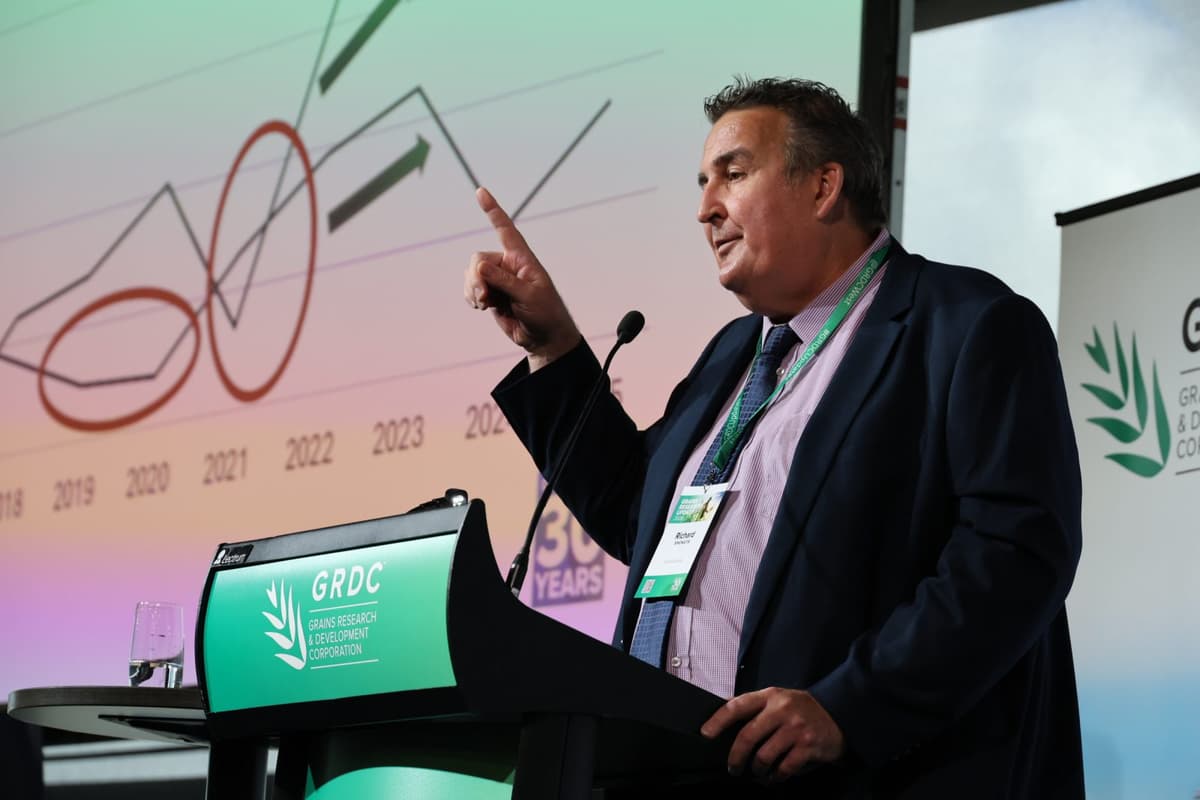
GRDC Update: Growth Seen in Asian Feedgrain Demand
•February 24, 2026
0
Why It Matters
The shift toward feedgrain and bio‑fuel markets expands revenue opportunities for Australian growers and mitigates reliance on traditional noodle‑wheat exports. Understanding these trends is critical for exporters, policymakers, and investors navigating Asia’s evolving grain landscape.
Key Takeaways
- •EU biofuel demand boosts WA canola exports
- •Southeast Asia feedgrain demand outpaces noodle wheat growth
- •Vietnam and Indonesia becoming major wheat importers
- •Millers use blending tech, raising Aussie wheat share
- •FTAs offer temporary edge, eroding over ten years
Pulse Analysis
Bio‑fuel mandates in the European Union have turned Australian canola into a premium export, lifting Western Australia’s grain revenues by roughly 30 % over the past decade. This policy shift also creates a supply gap in the U.S. corn‑to‑ethanol pipeline, opening doors for Australian low‑protein wheat to fill Southeast Asian feed markets. As consumers in the region grow wealthier, demand for animal protein rises, prompting feed manufacturers to seek cost‑effective grain alternatives, positioning Australia as a strategic supplier.
In parallel, Vietnam and Indonesia are reshaping the wheat trade map. Vietnam, now the fourth‑largest buyer of both boxed and bulk wheat, values Australian grain for its bakery quality, while Indonesia’s massive bulk imports present a clear growth corridor for feedgrains despite lingering tariff and certification hurdles. Millers in these markets are adopting sophisticated blending and control systems, allowing them to blend lower‑protein Australian wheat with higher‑protein sources to meet product specifications, thereby increasing the proportion of Aussie cargoes in their supply chains.
Trade policy remains a double‑edged sword. Existing free‑trade agreements have delivered short‑term competitive advantages, yet industry leaders caution that these benefits will diminish within five to ten years as rivals replicate the terms. Continued investment in world‑class breeding programs and R&D, championed by the GRDC, is essential to sustain product differentiation and capture emerging market niches, especially as bio‑fuel demand and feedgrain consumption evolve across Asia.
GRDC Update: Growth seen in Asian feedgrain demand
0
Comments
Want to join the conversation?
Loading comments...