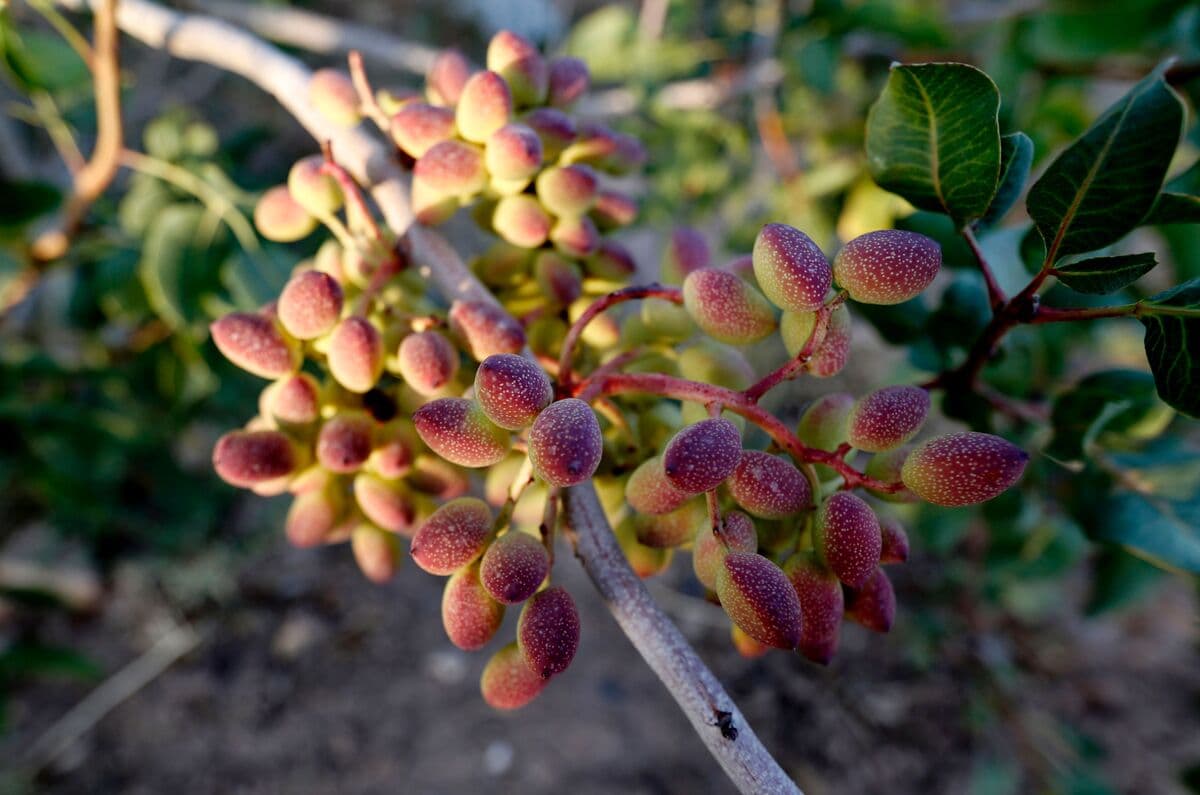
Green Gold Is Getting More Precious in Wartime
Why It Matters
The pistachio bottleneck raises food‑price inflation and forces producers to rethink sourcing strategies, underscoring supply‑chain risk in the specialty‑nut market.
Key Takeaways
- •Iranian pistachio inventories stuck due to export bans
- •Global pistachio prices rose 30% since conflict began
- •Baklava producers face cost pressures, may raise retail prices
- •Supply shock spurs interest in alternative nuts and synthetic flavors
Pulse Analysis
The pistachio market has long been dominated by Iran, which supplies roughly 40% of the world’s raw nuts. When geopolitical tensions escalated into a full‑scale conflict, Iranian ports and overland routes were effectively closed, leaving vast stockpiles immobilized in domestic warehouses. This sudden contraction in export capacity has driven spot prices up by about a third, a level not seen since the 2010 drought, and has rippled through downstream food manufacturers that depend on a steady, affordable supply for premium products like baklava and pistachio butter.
For food companies, the immediate challenge is cost management. Higher raw‑material prices erode profit margins, prompting many brands to consider price adjustments for end‑consumers or to seek substitute ingredients such as almonds, cashews, or emerging plant‑based flavor technologies. Some firms are also diversifying their sourcing by contracting with growers in the United States, Turkey, and the United States, though these alternatives lack the distinctive flavor profile that premium markets demand. The supply shock is accelerating investment in agritech solutions, including accelerated breeding programs and synthetic flavor compounds that can mimic pistachio taste without relying on volatile imports.
In the broader context, the pistachio disruption illustrates how geopolitical risk can quickly translate into food‑price volatility, a concern for policymakers monitoring inflationary pressures. Analysts expect the market to remain tight until diplomatic channels reopen or new logistics corridors are established, potentially keeping prices elevated for the next 12‑18 months. Companies that proactively hedge against such shocks—through diversified sourcing, forward contracts, or innovation in alternative ingredients—will be better positioned to maintain stability in a market where “green gold” has become increasingly precious.
Green Gold Is Getting More Precious in Wartime
Comments
Want to join the conversation?
Loading comments...