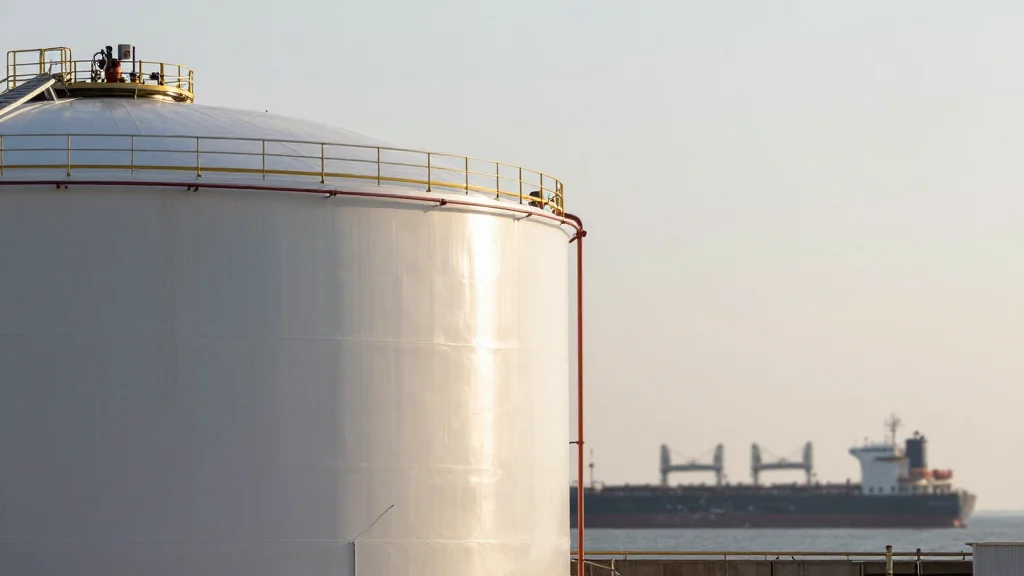
Half of U.S. SPR Oil Exported, Diesel Tight as WTI Crude Slides 2%

Why It Matters
The partial export of SPR oil highlights a structural mismatch between crude availability and refinery capacity in the United States. When domestic refineries cannot process additional feedstock, the intended price‑stabilizing effect of strategic releases is blunted, leaving consumers and small carriers to shoulder higher fuel costs. Moreover, the export of strategic reserves signals to global markets that U.S. crude supplies are still a valuable commodity, reinforcing price pressures in regions already strained by geopolitical tensions. For the broader commodities market, the episode illustrates how policy tools can be undermined by operational constraints and external demand. It also raises questions about the effectiveness of future drawdowns as a lever for domestic price control, especially when global supply chains remain tight and geopolitical risks keep crude prices elevated.
Key Takeaways
- •Approximately 50% of the SPR oil released this month was exported overseas.
- •WTI crude futures fell 1.91% on the day of the drawdown.
- •U.S. gasoline prices reached $4.48 per gallon on May 5, up 50% since the Iran conflict began.
- •Refinery throughput is near capacity, limiting domestic conversion of crude to diesel.
- •Diesel price pressure is expected to continue through the summer driving season.
Pulse Analysis
The SPR drawdown illustrates a classic supply‑demand mismatch amplified by geopolitical risk. Historically, strategic releases have been most effective when domestic refineries have spare capacity to absorb the influx, converting crude into gasoline and diesel that can quickly lower retail prices. In this case, the U.S. refining sector is operating at or near its maximum throughput, a condition driven by a combination of maintenance schedules, pandemic‑era capacity cuts, and a surge in demand for refined products abroad. The result is a paradox: the United States is releasing oil to lower domestic prices while simultaneously becoming a net exporter of the raw feedstock.
From a market‑structure perspective, the export of SPR oil reinforces the premium placed on U.S. crude in Europe and Asia, where war‑driven supply constraints have tightened the market. Buyers in those regions are willing to pay a higher spot price, effectively outbidding domestic refiners for the same barrels. This dynamic not only sustains elevated global oil prices but also feeds back into the U.S. market through higher import‑linked costs for refined products, creating a feedback loop that keeps diesel and gasoline prices high at the pump.
Looking forward, policymakers face a trade‑off. Further SPR releases could provide temporary relief if paired with targeted measures to boost refinery flexibility—such as temporary waivers on environmental constraints or incentives for rapid turnaround of maintenance. Absent such measures, additional releases risk being siphoned abroad, offering little domestic benefit. The episode also underscores the importance of diversifying the strategic toolkit beyond crude releases, perhaps by expanding strategic stockpiles of refined products or investing in domestic storage capacity to buffer against future supply shocks.
Half of U.S. SPR Oil Exported, Diesel Tight as WTI Crude Slides 2%
Comments
Want to join the conversation?
Loading comments...