Hoarding Is Driving Energy Prices Higher Everywhere
Why It Matters
Rising energy costs strain developing economies, eroding growth prospects and amplifying geopolitical tensions, while the hoarding dynamic undermines market efficiency and equitable access to vital resources.
Key Takeaways
- •Wealthy nations buying oil at any price fuels global price spikes
- •Export restrictions by rich countries tighten supply for vulnerable economies
- •Hoarding creates self‑fulfilling scarcity, echoing past food and vaccine crises
- •Cooking gas shortages hit India; jet fuel scarcity affects Southeast Asia
Pulse Analysis
The surge in oil prices cannot be explained solely by the physical disruption of Persian Gulf production. Since the conflict began, affluent economies have turned to a hoarding strategy, buying up available barrels and imposing export bans to safeguard domestic fuel supplies. This behavior mirrors earlier episodes where fear of scarcity amplified market reactions, such as the 2007‑08 food price spikes and the COVID‑19 scramble for personal‑protective equipment. By converting anxiety into purchasing power, these nations create a feedback loop that pushes prices upward for everyone.
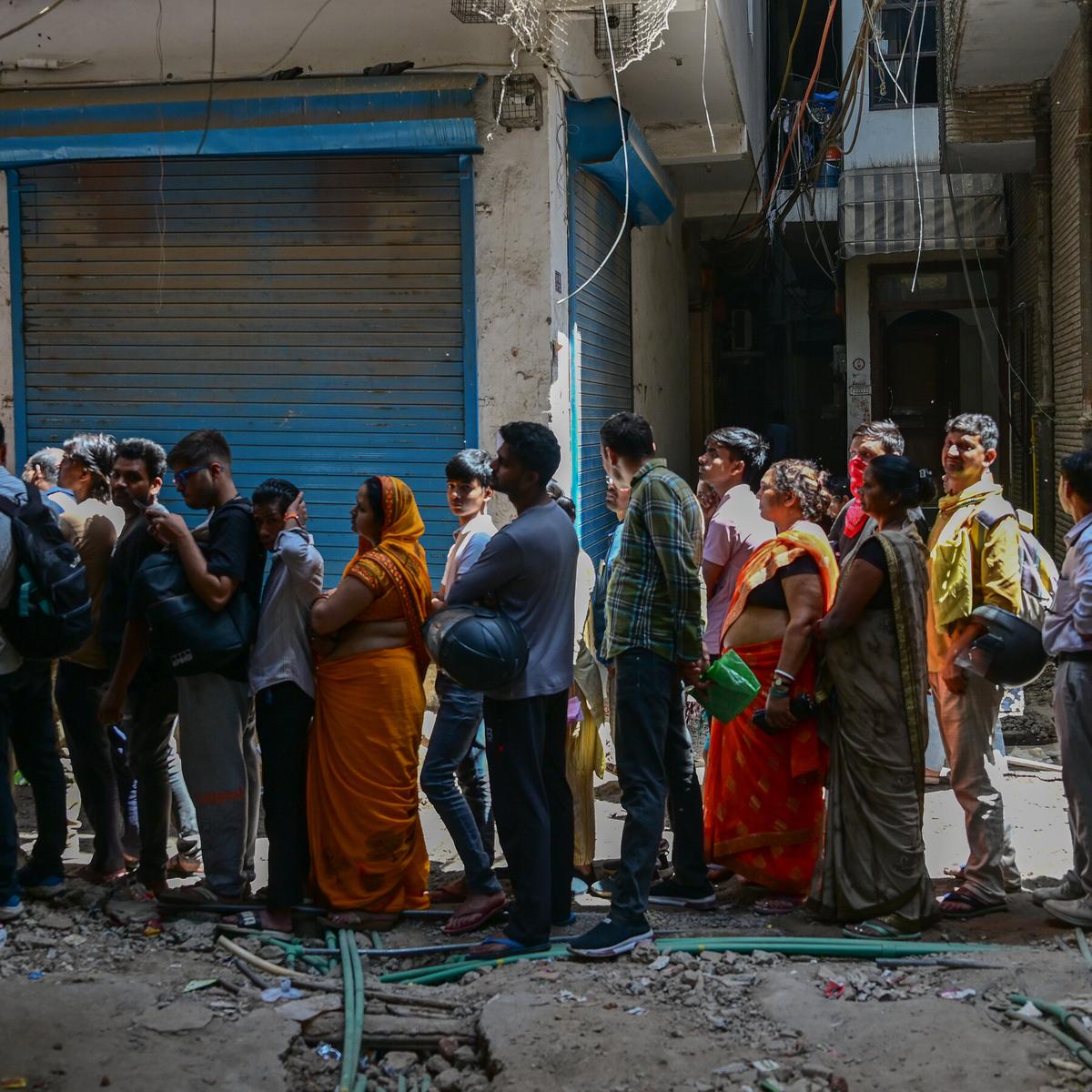
The immediate fallout is most acute in regions with limited fiscal leeway. In India, soaring demand for LPG cylinders has outstripped supply, prompting long queues and price hikes that burden low‑income households. Southeast Asian airlines face jet‑fuel shortages, forcing flight cancellations and higher ticket prices. Across sub‑Saharan Africa and Latin America, higher diesel costs erode profit margins for small businesses and raise transportation expenses, feeding into broader inflationary pressures. These dynamics threaten to reverse recent poverty‑reduction gains and could spark social unrest if left unchecked.
Policymakers face a dilemma: protect domestic energy security without exacerbating global scarcity. Coordinated export‑sharing agreements, strategic petroleum reserve releases, and price‑stabilization mechanisms could temper the hoarding impulse. Long‑term solutions involve accelerating the transition to renewable energy and expanding domestic refining capacity in vulnerable economies. International institutions such as the IMF and World Bank can facilitate financing for these investments, while diplomatic pressure may discourage unilateral stockpiling. A balanced approach would preserve supply chains, curb inflation, and restore confidence in markets that have become increasingly volatile.
Hoarding Is Driving Energy Prices Higher Everywhere
Comments
Want to join the conversation?
Loading comments...