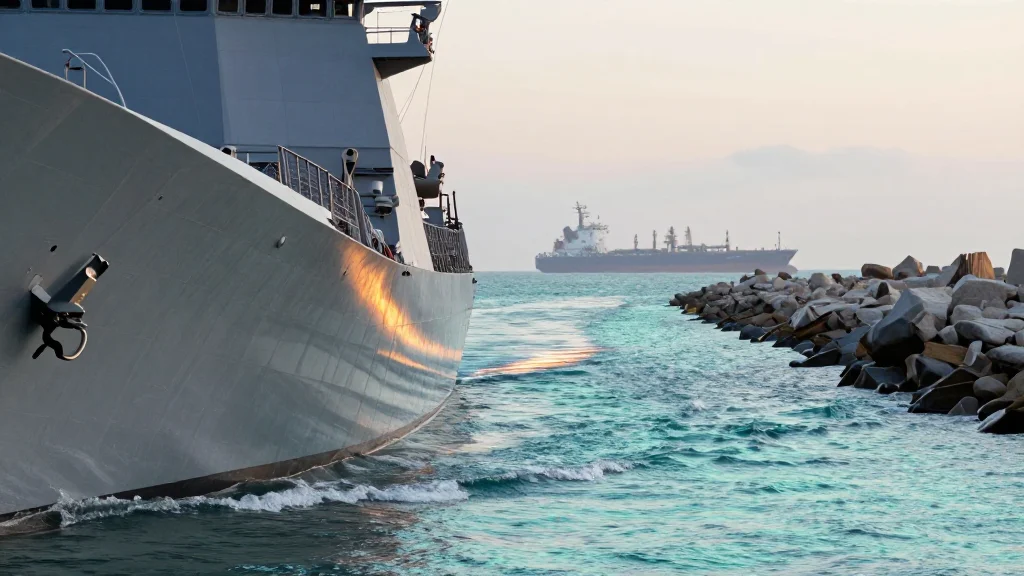
Hormuz Closure and U.S. ‘Shoot‑and‑Kill’ Orders Cripple Oil Flow, Push Jet‑Fuel Prices Higher

Why It Matters
The Strait of Hormuz is one of the world’s most critical energy arteries; any disruption reverberates through global supply chains, inflating costs for airlines, farmers, and manufacturers. Jet‑fuel price spikes directly affect airline ticket prices and cargo rates, tightening the cost of global trade. Simultaneously, the fertilizer squeeze threatens food security by raising planting costs for farmers already grappling with volatile grain markets. Together, these pressures could accelerate inflationary trends and force governments to intervene, either through strategic petroleum reserves or emergency subsidies for agriculture. Beyond immediate price effects, the episode underscores the geopolitical fragility of commodity flows that depend on narrow maritime chokepoints. A prolonged closure could prompt a strategic shift toward alternative routes, increased stockpiling, and a faster transition to non‑oil feedstocks, reshaping the long‑term architecture of global energy and chemicals markets.
Key Takeaways
- •U.S. Navy issued a “shoot‑and‑kill” order for any boat laying mines in the Strait of Hormuz (NPR).
- •Strait closure blocks roughly 24% of global seaborne petrochemical feedstock and about one‑third of nitrogen fertilizer shipments (News.com.au, NPR).
- •Jet‑fuel prices surged, prompting double‑digit fare hikes for airlines across major hubs.
- •Canadian S&P/TSX Composite slipped 0.03% to 33,904.11 amid supply‑disruption concerns (RTTNews).
- •Karex CEO warned of 30‑50% price hikes in petrochemical inputs, forcing cost passes to consumers (News.com.au).
Pulse Analysis
The Hormuz crisis revives a classic risk‑premium scenario that markets have not seen since the 2019 Gulf tensions. Historically, any threat to the strait has added roughly $1‑$2 per barrel to Brent crude; this time, the U.S. “shoot‑and‑kill” posture amplifies the perceived risk, pushing traders to price in a larger contingency. The immediate effect is a steep rise in jet‑fuel futures, which are already trading at multi‑year highs. Airlines, already squeezed by post‑pandemic demand recovery, now face a cost squeeze that could erode profit margins unless they accelerate hedging or pass costs to passengers.
On the fertilizer front, the closure illustrates the hidden interdependence between energy and agriculture. Nitrogen production is energy‑intensive, and the loss of a major shipping lane inflates both feedstock and transport costs. Small‑scale farmers like Sledge Taylor are forced to cut back on inputs, potentially reducing yields and tightening U.S. grain supplies. This could feed into broader food‑price inflation, especially as global grain markets remain volatile from the Ukraine conflict.
Finally, the petrochemical fallout signals a possible acceleration of supply‑chain diversification. Companies such as Karex are already shifting to alternative feedstocks or seeking new sourcing regions, a move that could reshape the global plastics landscape. If the Hormuz blockage persists, we may see a faster pivot toward regionalization of chemical production, increased recycling mandates, and heightened investment in non‑oil‑based polymers. In sum, the Hormuz shutdown is not just a short‑term supply shock; it is a catalyst that could reshape energy, agriculture, and manufacturing strategies for years to come.
Hormuz Closure and U.S. ‘Shoot‑and‑Kill’ Orders Cripple Oil Flow, Push Jet‑Fuel Prices Higher
Comments
Want to join the conversation?
Loading comments...