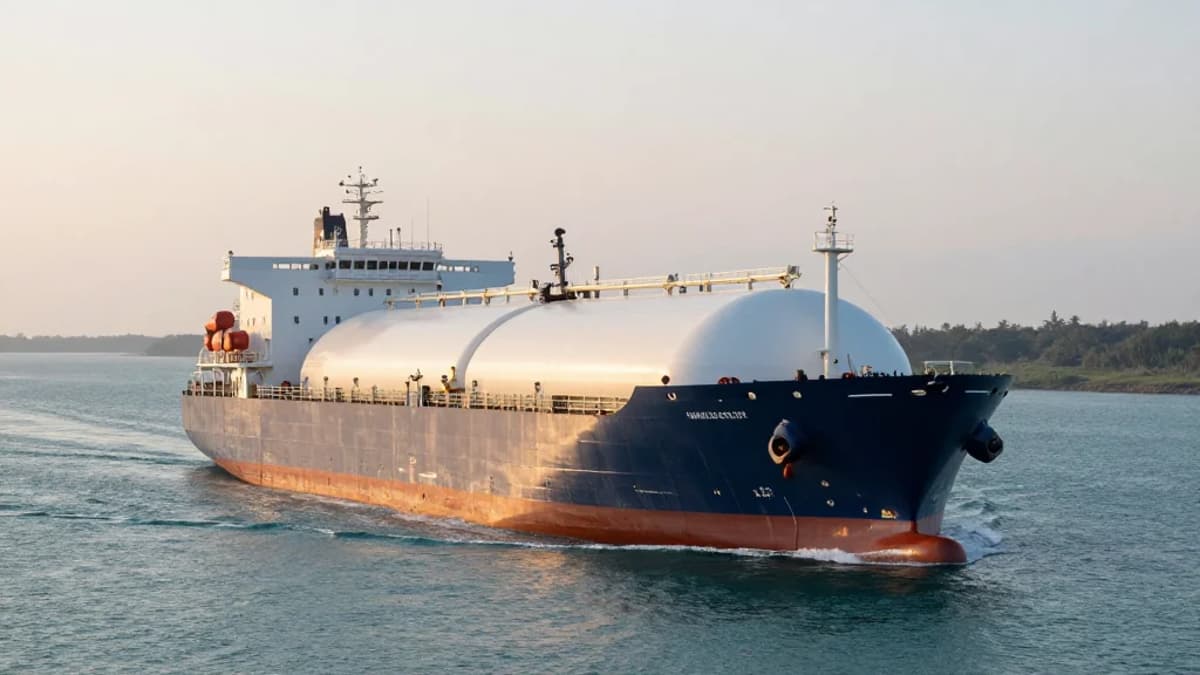
Hormuz Closure Sends Gas Prices Soaring, LNG Cargoes Toward Asia
•March 9, 2026
0
Why It Matters
Higher gas prices raise energy costs for European industries and accelerate Asia’s demand for LNG, reshaping trade flows and pricing dynamics.
Key Takeaways
- •Hormuz closure spikes global gas prices.
- •North America gas prices stay stable.
- •LNG vessels reroute from Europe to Asia.
- •European spot LNG rates hit record highs.
- •Asia’s LNG demand intensifies amid supply shock.
Pulse Analysis
The Strait of Hormuz, a chokepoint for roughly 20% of global oil and a significant share of liquefied natural gas shipments, has been closed due to escalating regional tensions. This bottleneck instantly curtailed the flow of Middle‑East gas to Europe, prompting traders to reassess supply chains. While North America enjoys a surplus from shale production, the rest of the world faces a sudden scarcity that is reflected in soaring spot prices and heightened market volatility.
In Europe, the abrupt loss of Hormuz‑origin LNG has driven spot rates to multi‑year highs, squeezing profit margins for energy‑intensive manufacturers and raising concerns over winter heating security. Conversely, Asian buyers, already accustomed to premium pricing, have benefited from the redirected cargoes, which temporarily ease supply constraints and support refinery throughput. The price divergence highlights the regional asymmetry of the shock: North America remains largely unaffected, while Europe confronts a steep cost curve.
Looking ahead, the episode may accelerate long‑term strategic shifts. Asian economies are likely to deepen investments in LNG import terminals and floating storage solutions to capture future diversions, while European policymakers may fast‑track renewable and hydrogen projects to reduce reliance on volatile hydrocarbon imports. Market participants will watch diplomatic developments closely, as any resolution of the Hormuz impasse could quickly reverse current price trends and re‑balance global gas flows.
Hormuz Closure Sends Gas Prices Soaring, LNG Cargoes Toward Asia
0
Comments
Want to join the conversation?
Loading comments...