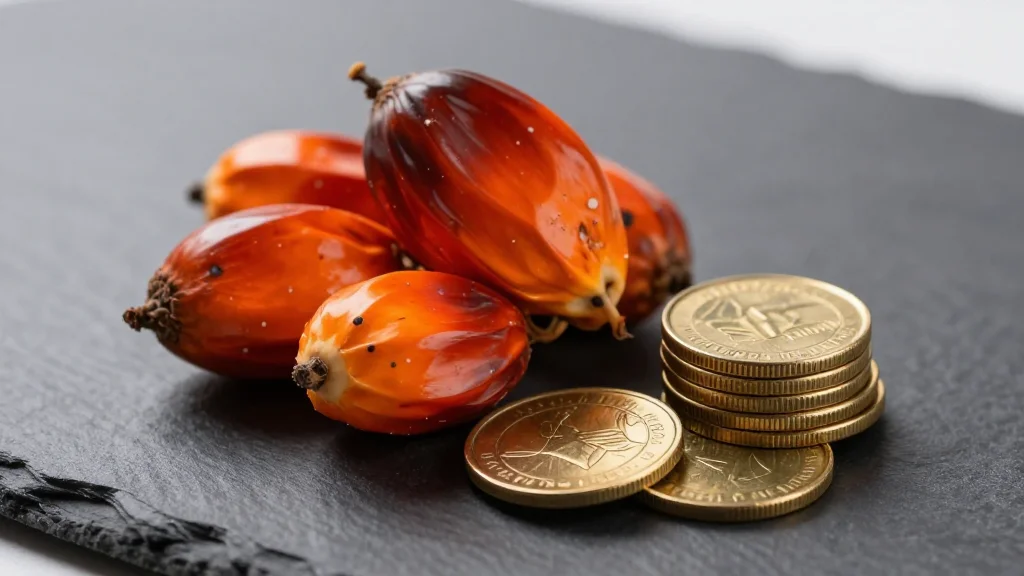
Indonesia Asks Police to Probe Hundreds of Firms on Palm Prices
Why It Matters
Ensuring fair farmer compensation stabilizes Indonesia’s palm oil supply chain and protects a key export commodity, while signaling to investors that the government will act against market manipulation. The investigation also underscores the broader impact of policy‑driven price volatility on global edible‑oil markets.
Key Takeaways
- •270‑300 firms allegedly kept farmer prices unchanged despite market recovery
- •Indonesia's export policy sparked a price slump, now largely rebounded
- •Minister Sulaiman tasked police to investigate before any enforcement action
- •Around 1,900 palm oil firms, most have raised farmer payments recently
- •Weakening rupiah aids exporters but farmers face rising fuel costs
Pulse Analysis
Indonesia’s palm oil sector, a cornerstone of its agricultural economy, has been rattled by a sweeping export‑control policy introduced in late May. The announcement triggered fears of shipment delays and stockpile buildups, sending fresh fruit bunch (FFB) prices plummeting from roughly 3,800 rupiah (about $0.27) per kilogram to a low of 1,500 rupiah (≈ $0.11). Such volatility reverberated through futures markets, with Kuala Lumpur contracts briefly dipping before rebounding to RM4,599 (≈ $1,456) a ton. The policy’s intent—to give the state greater leverage over export pricing—has sparked intense debate among producers, traders, and policymakers.
In response, Agriculture Minister Amran Sulaiman convened local officials, industry groups, and farmer representatives, then referred 270‑300 companies to police for alleged non‑adjustment of farmer payments. While the majority of Indonesia’s roughly 1,900 palm oil processors have already raised farmgate prices, the minister’s request for a criminal probe underscores a zero‑tolerance stance toward price‑fixing or neglect. For the estimated 15 million smallholder farmers, timely price adjustments are critical, especially as rising fuel costs erode margins. The investigation aims to restore confidence that the new export framework will not disadvantage producers.
The episode highlights broader implications for commodity markets. Indonesia accounts for about 60% of global palm oil supply, so domestic pricing dynamics can shift international trade flows and affect edible‑oil price benchmarks. A stable, transparent pricing mechanism is essential for attracting foreign investment and maintaining Indonesia’s export competitiveness, particularly as the rupiah weakens—an effect that can boost export revenues but also increase input costs for farmers. Continued government oversight, coupled with clear rules for price setting under the export policy, will be pivotal in balancing export growth with farmer livelihoods and sustaining the sector’s long‑term viability.
Indonesia asks police to probe hundreds of firms on palm prices
Comments
Want to join the conversation?
Loading comments...