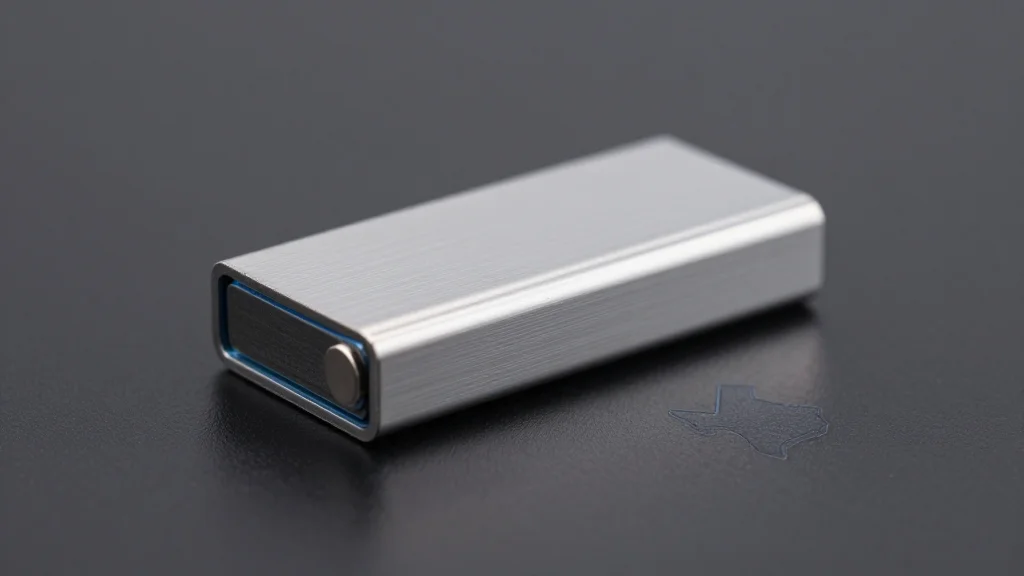
J-Star Holding Secures $60 Million Taiwan‑Backed Funding for U.S. Solid‑State Battery Plant

Why It Matters
The financing marks a concrete step toward diversifying the U.S. battery supply chain, reducing dependence on Asian exporters for both finished cells and critical raw materials. By anchoring a solid‑state battery line in Texas, J‑Star not only expands domestic production capacity but also creates a new, stable demand source for lithium, cobalt and nickel, commodities that have seen price volatility amid geopolitical tensions. Moreover, the sovereign‑backed nature of the loan underscores Taiwan’s strategic interest in the global battery market and its willingness to support overseas projects that align with its own industrial strengths. This cross‑border financing model could become a template for future collaborations, linking Asian capital with North American manufacturing ambitions and potentially reshaping the geography of battery commodity flows.
Key Takeaways
- •J‑Star Holding’s subsidiary YMA Corp secured a $60 million sovereign‑backed loan from Taiwan’s central bank.
- •The loan funds a 100 MWh solid‑state battery plant in Baytown, Texas, part of a $122.5 million total investment.
- •Jonathan Chiang, CEO, called the financing "an important milestone" for the U.S. expansion strategy.
- •The plant will serve aerospace, commercial‑drone and EV markets, adding ~1.5 million EV‑size batteries per year.
- •Increased U.S. battery output is expected to boost demand for lithium, cobalt and nickel, influencing global commodity markets.
Pulse Analysis
J‑Star’s financing reflects a convergence of three macro trends: the U.S. policy drive for domestic battery capacity, the maturation of solid‑state technology, and the emergence of sovereign‑backed capital as a catalyst for cross‑border industrial projects. Historically, battery supply chains have been dominated by a handful of Asian players; this deal signals a deliberate shift toward a more geographically diversified ecosystem. By leveraging Taiwan’s low‑cost financing, J‑Star can underwrite a capital‑intensive build‑out while preserving cash for downstream activities such as raw‑material sourcing and recycling.
From a commodities perspective, the Baytown plant will act as a new anchor demand point for lithium and cobalt, potentially smoothing out some of the price spikes that have plagued the market since 2022. If J‑Star follows through on its North‑American sourcing pledge, we could see a modest re‑allocation of mining contracts toward U.S. projects, which would benefit domestic producers and reduce exposure to supply disruptions in the Democratic Republic of Congo and South America. However, the plant’s success hinges on the commercial viability of solid‑state cells, a technology still in the early stages of mass production. Any delay in achieving target yields could dampen the anticipated commodity pull.
Looking ahead, the financing model may inspire other Taiwanese or Asian sovereign funds to back similar projects, especially as the U.S. continues to offer tax credits and grants for battery manufacturing. Investors should monitor the drawdown schedule, construction milestones, and early production data, as these will provide early signals on whether the solid‑state segment can deliver on its promise and how quickly it will reshape the demand landscape for battery‑grade commodities.
J-Star Holding Secures $60 Million Taiwan‑Backed Funding for U.S. Solid‑State Battery Plant
Comments
Want to join the conversation?
Loading comments...