Japan's Chemicals Sector Likely to Reduce Coal Demand
Companies Mentioned
Why It Matters
The reduction signals a shift in Japan’s energy mix for high‑value chemicals, lowering coal demand and supporting decarbonisation goals. It also creates a divergent outlook where petrochemical coal use falls while power‑sector demand may rise, reshaping import dynamics.
Key Takeaways
- •Japan's petrochemical coal imports ~4.5 mn t/yr, 3% of total imports
- •Mitsui Chemicals and Idemitsu cut output, lowering coal demand
- •Tosoh to run 74 MW biomass plant, targeting 100% biomass by 2030
- •Power utilities seek 2.8 mn t annual coal contracts amid relaxed restrictions
- •Shift to alternative fuels could further cut petrochemical coal use
Pulse Analysis
Japan’s chemicals sector has long depended on imported thermal coal to power captive plants that run naphtha‑fed crackers. A recent slowdown, driven by supply disruptions to naphtha from the Middle East amid the US‑Israel‑Iran conflict, has prompted firms like Mitsui Chemicals and Idemitsu to scale back output. With the sector’s coal consumption estimated at 4.5 million tonnes annually—roughly three percent of Japan’s total coal imports—the output dip translates into a measurable reduction in coal demand, easing pressure on global thermal‑coal markets.
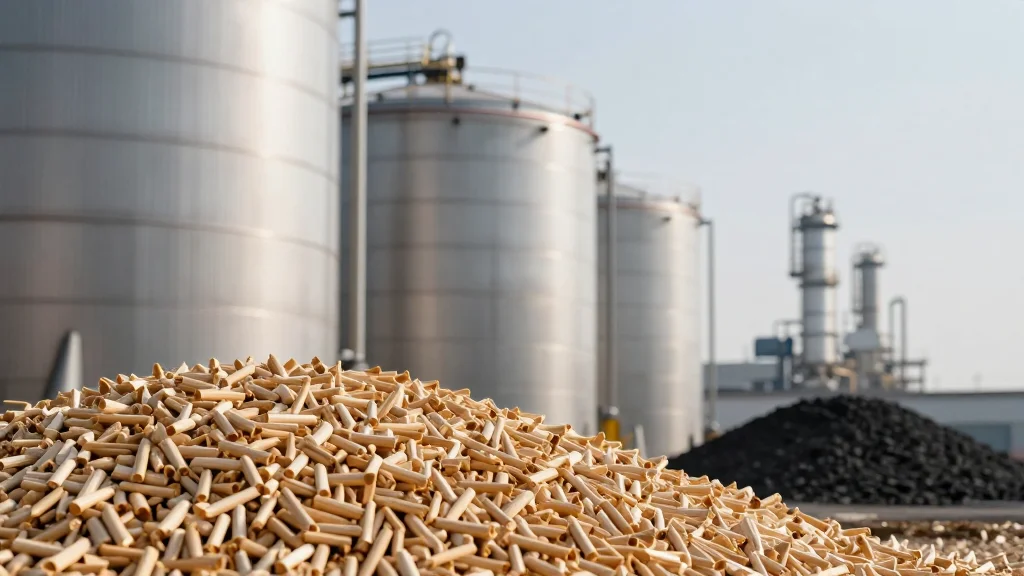
At the forefront of the energy transition, Tosoh is piloting a 74 MW biomass‑fired power plant slated for operation by the end of April. The facility will initially co‑fire 50% biomass with coal, moving toward full biomass combustion by 2030 and consuming up to 410,000 tonnes of wood pellets and waste annually. This shift not only cuts Tosoh’s coal intake but also aligns with Japan’s broader carbon‑reduction targets, signaling that petrochemical firms are increasingly evaluating renewable feedstocks and waste‑derived fuels as viable alternatives to traditional coal.
Conversely, Japan’s power sector may see a short‑term uptick in coal imports. METI’s temporary suspension of efficiency restrictions for older coal‑fired plants in the 2026‑27 fiscal year has spurred utilities to pursue sizable term contracts—one utility is negotiating roughly 2.8 million tonnes for the year, with additional short‑term cargoes under discussion. This juxtaposition of declining petrochemical coal use against rising power‑sector demand underscores a nuanced market outlook, where policy shifts and corporate sustainability strategies will jointly shape Japan’s future coal import profile.
Japan's chemicals sector likely to reduce coal demand
Comments
Want to join the conversation?
Loading comments...