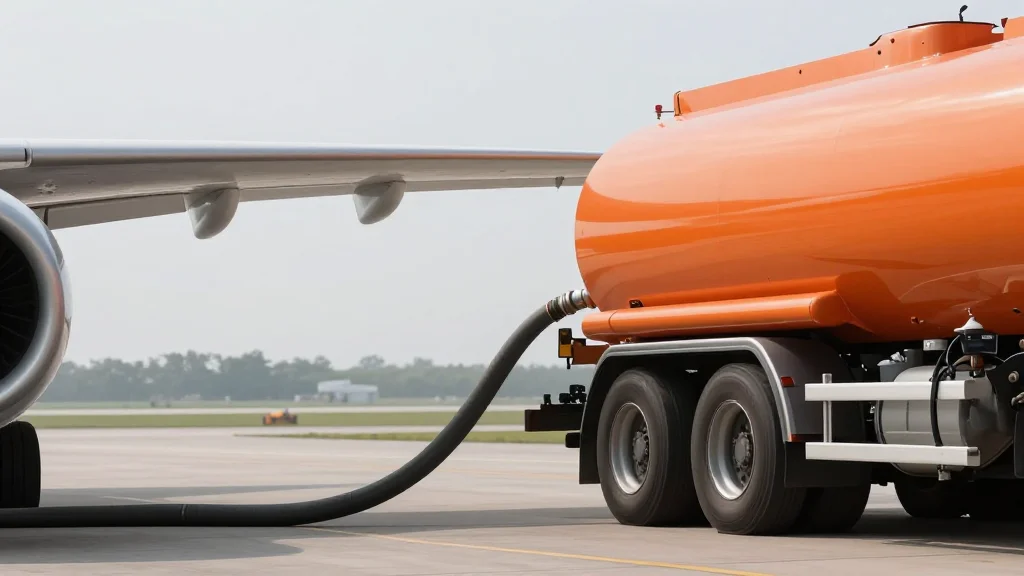
Jet Fuel Supply Concerns Grow as War with Iran Drags on, Airlines Cut Flights
Why It Matters
The surge in jet‑fuel prices threatens airline profitability and could reshape global route networks, directly impacting investors, passengers, and the broader travel economy. Persistent supply constraints may force lasting operational adjustments across the industry.
Key Takeaways
- •Jet fuel prices doubled since Feb 27
- •Airlines plan flight cuts, especially to Asia
- •Supply constraints stem from Strait of Hormuz closure
- •U.S. carriers face regional shortages despite domestic production
- •Higher fuel costs pressure earnings and may trigger rating downgrades
Pulse Analysis
The geopolitical fallout from the U.S.-Israel strike on Iran has quickly translated into a commodity shock for the aviation sector. With the Strait of Hormuz—a critical chokepoint for crude and refined products—effectively sealed, global jet‑fuel inventories have tightened, pushing U.S. pump prices from $2.50 to $4.88 per gallon in just over a month. This rapid price escalation mirrors broader energy market volatility, but its impact on airlines is uniquely acute because fuel accounts for roughly 30% of operating expenses, second only to labor. The immediate consequence is a scramble for contingency planning, as carriers assess both demand elasticity and supply reliability.
Airlines are responding with a mix of short‑term cost‑containment measures and strategic capacity adjustments. United’s CEO Scott Kirby flagged potential reductions in Asian service, while Lufthansa has assembled teams to evaluate grounding options. In the United States, carriers are already raising ancillary fees—such as checked‑bag charges—to offset the fuel surcharge, and some, like Delta, are leveraging owned refining assets to mitigate exposure. Yet, even with these tactics, the industry faces a squeeze on margins; UBS forecasts a slowdown in capacity growth for the second quarter, and rating agencies warn that prolonged high fuel prices could erode credit metrics and trigger downgrades.
Looking ahead, the durability of the fuel price surge will shape the airline industry's recovery trajectory. If the Strait of Hormuz remains closed and oil prices stay above $100 per barrel through 2027, airlines may accelerate fleet modernization toward more fuel‑efficient models and explore alternative fuels to hedge against future shocks. Investors will be watching earnings reports closely, especially from carriers with integrated supply chains like Delta, for signs of resilience. Ultimately, the current crisis underscores the strategic importance of supply‑chain diversification and the need for robust risk‑management frameworks in an era where geopolitical events can swiftly destabilize core operating inputs.
Jet fuel supply concerns grow as war with Iran drags on, airlines cut flights
Comments
Want to join the conversation?
Loading comments...