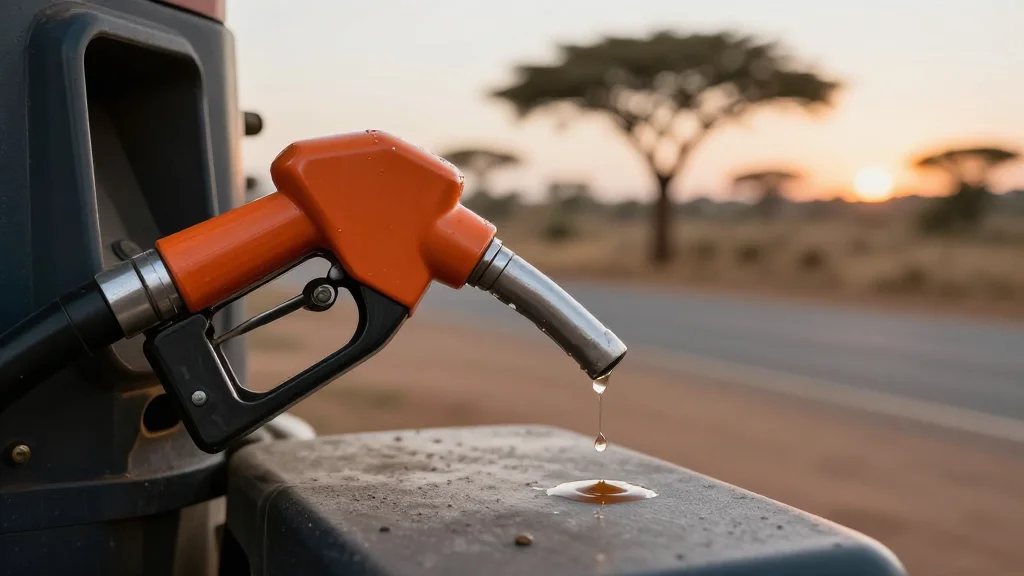
Kenyans Face More Pain at Pump as Crisis Deepens
Companies Mentioned
Why It Matters
The surge in fuel costs threatens to accelerate Kenya’s inflation, already at a seven‑year high, and could strain transport, power and agricultural sectors. Without external financing, the fiscal strain may undermine economic stability and growth.
Key Takeaways
- •Diesel price rose to Sh242.92/L, up 23.5% in one day.
- •Subsidy fund depleted; state owes over Sh20 bn (~$133 m) to marketers.
- •Aramco warns higher costs due to Iran‑US conflict, affecting shipments.
- •Potential diesel price breach Sh300/L (~$2) could fuel inflation.
- •Kenya seeks $500 m World Bank emergency loan to cushion shock.
Pulse Analysis
Kenya’s fuel market is tightly linked to global oil dynamics, and the ongoing Iran‑US conflict has tightened supplies from the Gulf, the region that provides nearly all of Kenya’s petroleum imports. With the Strait of Hormuz intermittently closed, Saudi Aramco and other Gulf traders face higher freight and premium costs, which are passed directly to Kenyan import contracts. This external shock coincides with a broader tightening in global crude markets, leaving Kenya vulnerable to price spikes despite any domestic policy levers.
Domestically, Kenya’s subsidy mechanism—funded through the Petroleum Development Levy—has hit a breaking point. The regulator’s recent 23.5% price hike reflects the depletion of the subsidy kitty, leaving the state with more than Sh20 bn (about $133 m) in unpaid arrears to major marketers such as Vivo Energy and TotalEnergies. The shortfall erodes fiscal space, forces the government to borrow, and raises concerns about the sustainability of the subsidy model, especially as inflation climbs to 5.6% year‑on‑year, the fastest rise in seven years.
The economic fallout extends beyond the pump. Higher diesel and kerosene costs feed into transport, power generation, and agricultural logistics, amplifying price pressures across the economy. To stave off a deeper crisis, Kenya has petitioned the World Bank for roughly $500 m in emergency financing, aiming to bridge the subsidy gap and stabilize inflation. Policymakers must balance short‑term relief with longer‑term energy diversification to reduce reliance on volatile Middle‑East supplies and safeguard fiscal health.
Kenyans face more pain at pump as crisis deepens
Comments
Want to join the conversation?
Loading comments...