LNG Shutdowns and Refinery Halts Complicate Global Energy Outlook
•March 2, 2026
0
Companies Mentioned

Why It Matters
The shutdowns tighten global fuel supplies, forcing economies to reassess energy security and potentially accelerate the transition to alternative power sources, while also exposing financing risks for climate‑focused investments.
Key Takeaways
- •Qatar halted world’s largest LNG export plant.
- •Saudi refinery shutdown reduces global oil processing capacity.
- •Strait of Hormuz traffic near standstill disrupts shipments.
- •Asian economies face gas supply gaps, may shift to coal.
- •Higher energy prices could boost renewables but strain financing.
Pulse Analysis
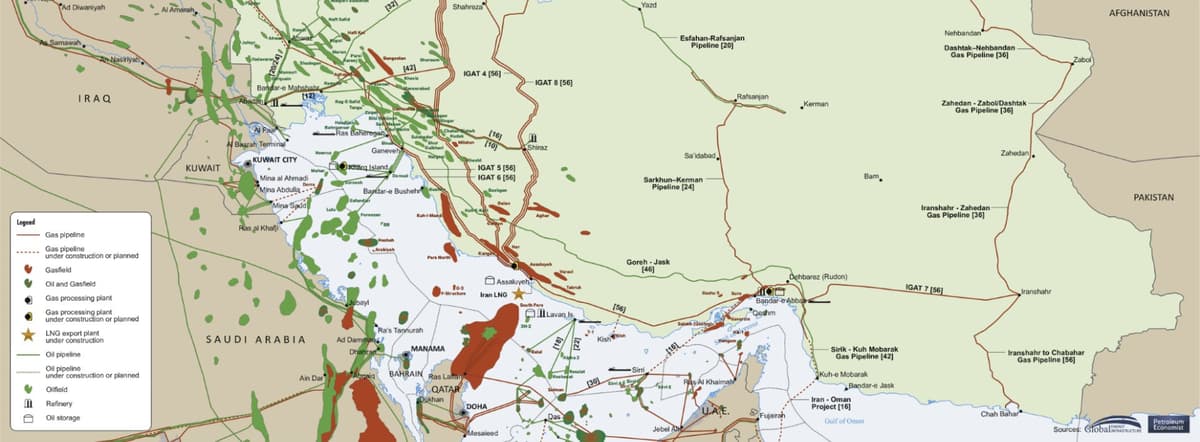
The sudden loss of Qatar’s LNG hub and Saudi Arabia’s refinery capacity has sent shockwaves through commodity markets already jittery from previous geopolitical shocks. With the Strait of Hormuz—one of the world’s most critical oil chokepoints—effectively immobilized, traders are scrambling to reroute cargoes, driving spot prices higher and prompting Asian buyers to seek early LNG deliveries from non‑Middle‑East sources. This supply squeeze comes at a time when global oil inventories are still elevated, creating a paradox of abundant stockpiles yet constrained flow, a dynamic that could linger for weeks if hostilities persist.
For the clean‑energy transition, the price surge is a double‑edged sword. On one hand, higher fossil‑fuel costs improve the economic case for solar, wind, and heat‑pump installations, making them more competitive against gas‑fired generation. On the other, the same price spikes risk inflating inflation, prompting central banks to tighten monetary policy and raising the cost of capital for capital‑intensive renewable projects. Developing economies, especially those with abundant coal reserves like China and India, may revert to dirtier fuels to bridge short‑term gaps, while wealthier nations could accelerate investments in storage and grid resilience to hedge against future disruptions.
Regionally, the fallout is uneven. Europe, having already diversified its gas supply after the Ukraine war, can lean on its expanded wind‑solar portfolio to cushion the shock, but still faces higher electricity prices. In contrast, Asian economies—highly dependent on imported gas—are weighing a strategic pivot toward coal or accelerated renewable roll‑outs, balancing energy security against climate commitments. The unfolding crisis underscores the fragility of global energy interdependence and may catalyze a faster, albeit uneven, shift toward more resilient, low‑carbon energy systems.
LNG shutdowns and refinery halts complicate global energy outlook
0
Comments
Want to join the conversation?
Loading comments...