Low German Middle Distillate Demand Encourages Exports
Why It Matters
The shift from domestic consumption to export alleviates German oversupply pressure but tightens European downstream markets, influencing diesel and heating‑oil pricing across the continent.
Key Takeaways
- •Southwest Germany heating oil €13/100 L (~$14) below average
- •Diesel discounts narrowed €4/100 L (~$4) across week
- •German middle‑distillate exports to ARA hub increase
- •Heating‑oil volumes fell 50% in March versus February
- •Bayernoil's Neustadt refinery back online after maintenance
Pulse Analysis
Germany’s middle‑distillate landscape is undergoing a rare rebalancing as regional oversupply forces traders to look beyond domestic markets. Historically, the country has been a net importer of diesel and heating oil, but persistent price gaps—most notably a €13 per 100 L (about $14) discount in the Karlsruhe area—have turned southwestern refineries into export hubs. This price divergence stems from weak heating‑oil demand, which has been further suppressed by the recent surge in commodity prices triggered by the US‑Israel‑Iran conflict. Buyers, wary of potential shortages, stocked up early, leaving March volumes roughly half of February’s levels.
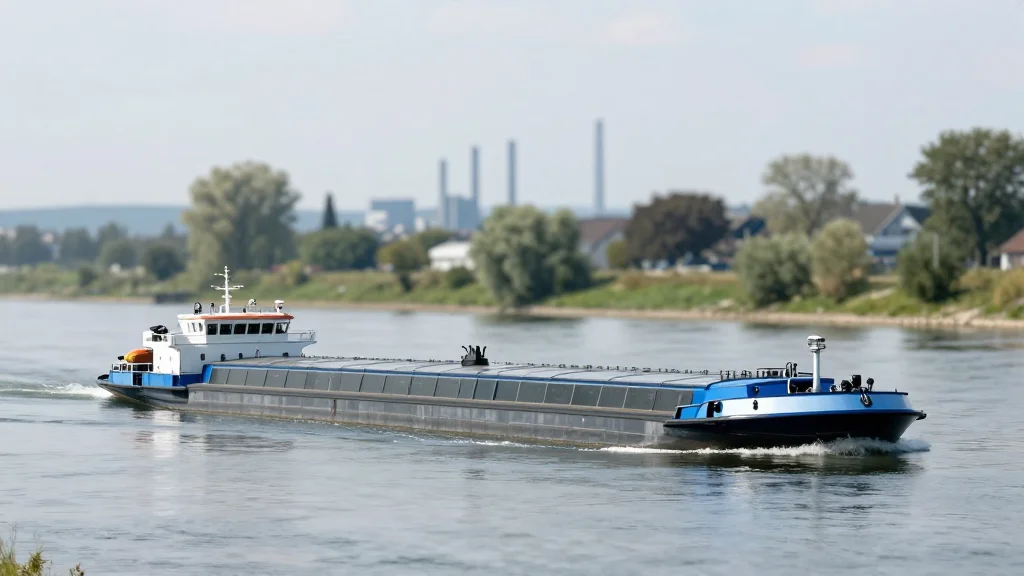
The logistical pivot toward the Amsterdam‑Rotterdam‑Antwerp (ARA) hub reflects both economic necessity and contractual realities. Many German offtake agreements extend through March and impose penalties for under‑delivery, prompting exporters to shift surplus product downstream via the Rhine. This flow eases domestic price pressure but adds to the already tight European diesel market, where margins have narrowed by about €4 per 100 L (≈$4). The increased supply to ARA may temper price spikes in the Benelux region, yet it also raises competition for storage and transport capacity, influencing freight rates and spot‑market dynamics.
Refinery maintenance remains a critical variable in the supply equation. While Bayernoil’s 87,000 b/d Neustadt unit has returned to service, the 100,000 b/d Ingolstadt plant stays offline, constraining regional output. These constraints, combined with lingering export pressures, suggest that April could see a tighter balance between supply and demand, especially if heating‑oil demand does not rebound. Market participants will watch contract negotiations and geopolitical developments closely, as any shift could quickly translate into price volatility across the European middle‑distillate spectrum.
Low German middle distillate demand encourages exports
Comments
Want to join the conversation?
Loading comments...