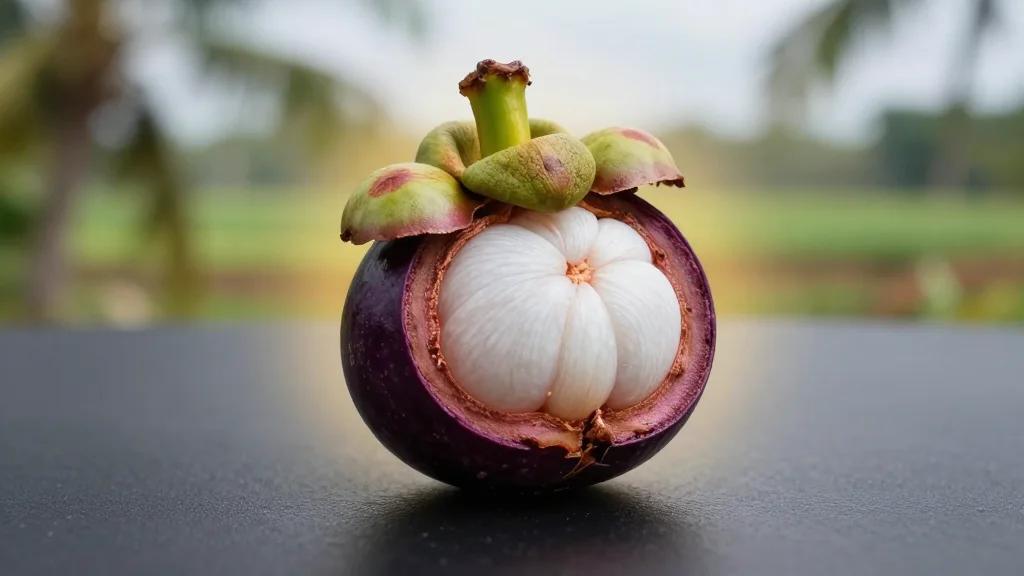
Mangosteen Prices Surpass Durian in Malaysia Amid Farming Shift
Companies Mentioned
Why It Matters
The price reversal signals a structural shift in Malaysia’s high‑value fruit sector, affecting farm income, export revenues, and consumer preferences. Investors and agribusinesses must reassess crop diversification strategies as durian dominance reshapes market dynamics.
Key Takeaways
- •Mangosteen now $4.40/kg, outpricing durian at $3.70/kg in Malaysia
- •Durian acreage grew to 227,000 acres, yields nearly doubled since 2016
- •Farmers replace mangosteen with durian because foliage blocks sunlight
- •Mangosteen output dropped from 23,297 to 22,073 tonnes (2020‑2023)
- •Imports from Thailand and Indonesia now dominate local mangosteen supply
Pulse Analysis
The surge in mangosteen prices reflects a classic supply‑shortage scenario. Local Mesta mangosteens now fetch roughly RM20 per kilogram—about $4.40—while the iconic Musang King durian has slipped to RM16.80 per kilogram, or $3.70. With domestic mangosteen output falling 5 % between 2020 and 2023 and most of the fruit now sourced from Thailand and Indonesia, retailers have turned to imports to meet lingering demand. The price gap underscores how a single‑crop focus can destabilize ancillary fruit markets.
Durian’s expansion has been the engine behind the price shift. Government data show plantation area swelling from 163,000 acres in 2016 to more than 227,000 acres by 2024, while yields have nearly doubled to over 568,000 tonnes. Export revenue surged to $37.2 million in 2025, with Malaysian durians commanding $12,138 per tonne—far above Thai ($4,239) and Vietnamese ($3,739) averages. The fruit also fuels tourism, as travel packages increasingly revolve around the seasonal harvest, reinforcing its status as a high‑margin export commodity.
Looking ahead, the mangosteen sector faces a crossroads. The long juvenile period—six years to full production—discourages new planting, especially when durian offers quicker returns. Policymakers may need to incentivize intercropping or provide subsidies to preserve biodiversity and protect the “queen of fruits.” For investors, the current premium on mangosteen presents short‑term profit opportunities, but long‑term stability will depend on restoring balanced orchards and mitigating climate‑related yield risks.
Mangosteen prices surpass durian in Malaysia amid farming shift
Comments
Want to join the conversation?
Loading comments...