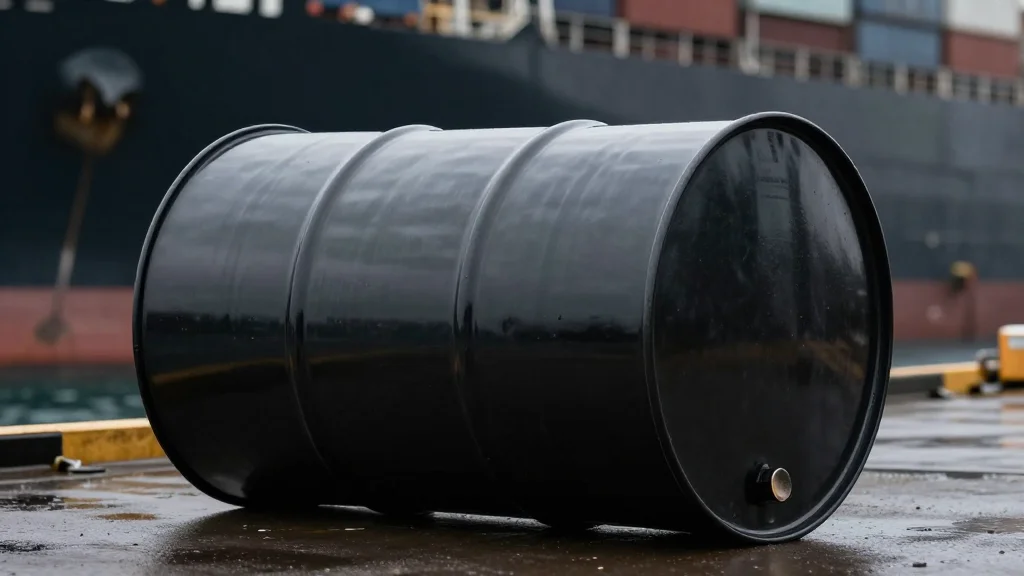
Marine Fuel Prices Surge, Prompt Slow‑Steaming as Shipping Grapples with Middle East Tensions

Why It Matters
The surge in bunker fuel prices directly inflates the cost of moving commodities, feeding through to consumer prices for everything from gasoline to food. Shipping lines’ shift to slow‑steaming, while easing immediate port congestion, lengthens supply‑chain lead times, potentially creating shortages or price spikes for time‑critical goods. Moreover, the episode highlights how geopolitical flashpoints in the Middle East can quickly translate into commodity‑market volatility, affecting investors, producers, and end‑users alike. For commodity traders, the heightened fuel cost introduces a new risk premium that must be priced into contracts and hedging strategies. For policymakers, the episode underscores the need for diversified energy sources and strategic fuel reserves to buffer critical trade corridors against sudden price shocks.
Key Takeaways
- •Bunker fuel in Singapore peaked at $1,450 per metric tonne on March 9, a 182% increase from $515.
- •Shipping carriers adopted slow‑steaming to cut fuel consumption, extending voyage times by several days.
- •Port waiting times at PSA Singapore fell from 3.5 days to under one day after carriers slowed speeds.
- •TEU volumes rose 6.4% YoY to 11.2 million containers Jan‑Mar 2026, but slower ships may curb future growth.
- •IMF forecasts global goods‑trade growth of 2.8% in 2026, down from 5.1% in 2025, partly due to high fuel costs.
Pulse Analysis
The current bunker fuel rally is a textbook case of how geopolitical risk can quickly become a commodity shock. Historically, spikes in marine fuel have forced carriers to either absorb costs—eating into already thin freight margins—or pass them on via surcharges. The rapid re‑adoption of slow‑steaming suggests that the latter option is being limited by market pressure; shippers are unwilling to raise freight rates dramatically, especially as global trade growth slows.
From a strategic perspective, the episode may accelerate the industry’s shift toward alternative fuels. With VLSFO prices hovering near $1,500 per tonne, the economics of liquefied natural gas (LNG) bunkering, methanol, or even ammonia become more attractive, despite higher upfront capital costs. Early adopters could gain a competitive edge, especially if regulatory pressures on sulphur emissions tighten further.
Investors should monitor the trajectory of bunker prices alongside the pace of vessel speed adjustments. A sustained high‑fuel environment could compress freight margins, prompting consolidation among smaller carriers and boosting the valuation of firms with diversified fuel‑hedging programs. Conversely, a rapid de‑escalation in the Middle East could see bunker prices retreat, prompting a swift return to higher speeds and a rebound in shipping capacity, which would relieve pressure on commodity logistics and potentially lower downstream price inflation.
In the short term, the key risk remains the duration of the Middle East conflict. If hostilities intensify, bunker prices could breach the $1,500 mark again, cementing slow‑steaming as a longer‑term operational norm. Market participants would do well to factor this uncertainty into their commodity pricing models and supply‑chain contingency plans.
Marine Fuel Prices Surge, Prompt Slow‑Steaming as Shipping Grapples with Middle East Tensions
Comments
Want to join the conversation?
Loading comments...