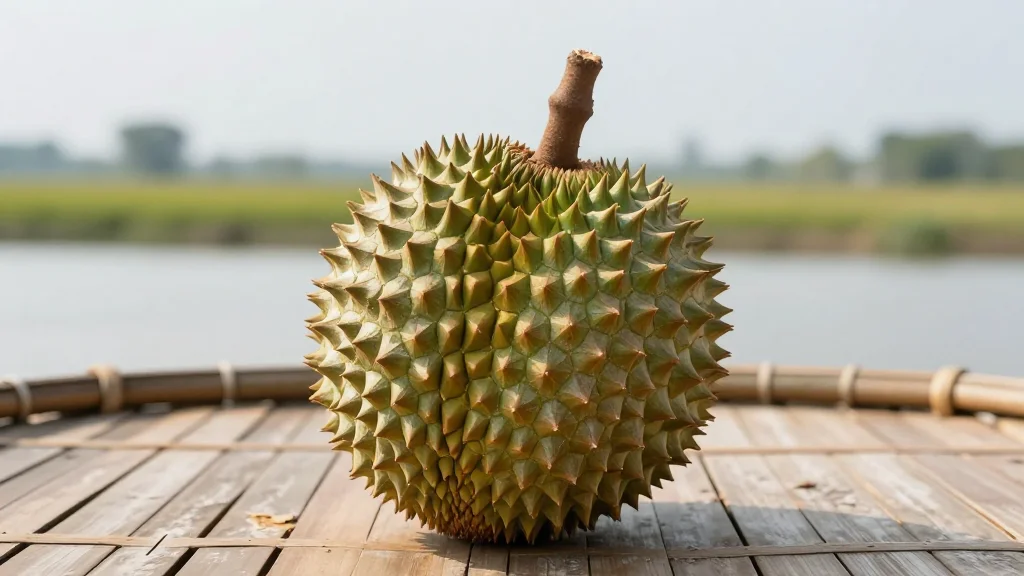
Mekong Delta Durian Farmers Face Losses as Prices Plummet
Why It Matters
The price plunge threatens farmer livelihoods and undermines Vietnam’s position as a major durian exporter, highlighting systemic quality‑control gaps that could limit access to higher‑value global markets.
Key Takeaways
- •Ri6 durian farm‑gate price fell 66% to $0.8‑$1.1/kg.
- •Farmers incurred ~ $7,300 loss each, plus 10‑20% higher input costs.
- •Export bans due to cadmium contamination halted Chinese shipments, depressing demand.
- •Thailand’s peak harvest floods regional market, further squeezing Vietnamese prices.
- •Lack of orchard‑level testing limits quality, blocking premium market entry.
Pulse Analysis
Vietnam’s Mekong Delta, home to more than 45,000 hectares of durian orchards, is experiencing an unprecedented price slump. Ri6 varieties, once fetching upwards of $2.5 per kilogram, now trade at $0.8‑$1.1, while the larger‑fruit Monthong is down to roughly $3 per kilogram. The decline reflects a 66% price drop since January and coincides with a 10‑20% rise in fertilizer and pesticide expenses, eroding profit margins for smallholders. For many growers, the shortfall translates into losses exceeding $7,000 per farm, forcing them to sell fruit on roadside stalls or abandon harvests altogether.
Compounding the domestic squeeze are export disruptions tied to food‑safety concerns. Chinese authorities flagged cadmium contamination in several Vietnamese durian shipments, prompting stricter testing protocols and, in some cases, outright bans. Traders, wary of liability, have pulled back, leaving farmers with unsold inventories. At the same time, Thailand—Vietnam’s chief regional rival—has entered its peak harvest window, flooding the Asian market with abundant supply and driving regional prices lower. The twin pressures of reduced export demand and heightened competition have left Vietnamese producers scrambling for alternative buyers.
Long‑term, analysts point to structural weaknesses in Vietnam’s durian sector. Rapid acreage expansion outpaced investments in quality assurance, traceability, and branding, limiting access to premium markets such as the EU, U.S., Japan, and South Korea. Experts recommend establishing orchard‑level testing labs, adopting stricter pesticide regulations, and developing a national durian brand that emphasizes safety and flavor consistency. Without these reforms, Vietnam risks ceding market share to better‑organized exporters and missing out on higher‑margin opportunities that could sustain rural incomes for years to come.
Mekong Delta durian farmers face losses as prices plummet
Comments
Want to join the conversation?
Loading comments...