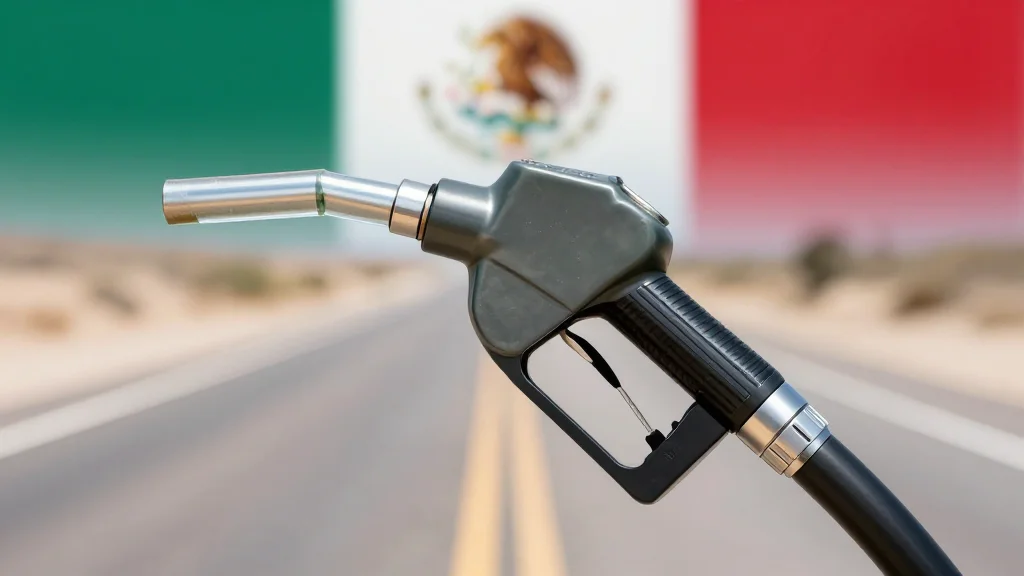
Mexico Fuel Price Caps Strain Supply Nationwide
Companies Mentioned
Why It Matters
The cap distorts market competition and strains Mexico’s fuel supply chain, risking higher costs for retailers and potential fuel shortages for consumers. It also signals broader policy challenges for the government’s effort to control energy prices amid volatile global markets.
Key Takeaways
- •Pemex price caps force retailers to rely on state supply.
- •Private importers cannot match artificially low Pemex prices, hurting competition.
- •Supply delays cause rolling shortages and higher logistics costs for stations.
- •Inventory levels at Pemex and private terminals fall below 2025 benchmarks.
- •Regulators intensify inspections, risking penalties for stations exceeding caps.
Pulse Analysis
The Mexican government introduced a voluntary fuel price cap in March 2025 to keep gasoline below Ps24 per litre, roughly $4.45 per US gallon, extending the limit to diesel in early 2026. While the policy aims to protect consumers from rising global oil prices, it has effectively tilted the market in Pemex’s favor. By imposing uniform wholesale rates, the state oil giant can offer lower pump prices, but the artificial pricing gap leaves private importers unable to compete, eroding the competitive balance that traditionally kept supply chains resilient.
Retailers, caught between regulatory pressure and market realities, are increasingly dependent on Pemex’s constrained logistics network. The shift has led to longer delivery windows, higher transportation costs, and intermittent shortages, especially in northern and central-western regions. As inventories at both Pemex and private storage terminals dip below 2025 levels, stations report rolling stockouts that force temporary closures. These supply bottlenecks not only threaten profit margins but also risk consumer confidence, prompting watchdogs like Profeco to intensify station inspections and issue compliance warnings.
The broader implications extend to Mexico’s energy reform agenda and foreign investment outlook. Persistent supply gaps and market distortion could deter private fuel importers and downstream investors, undermining the liberalization goals set after the 2013 energy reforms. Policymakers may need to recalibrate the cap mechanism—perhaps by introducing tiered pricing or temporary exemptions—to balance consumer protection with a functional, competitive market. Such adjustments would help stabilize inventories, reduce logistics strain, and preserve the credibility of Mexico’s broader economic reforms.
Mexico fuel price caps strain supply nationwide
Comments
Want to join the conversation?
Loading comments...