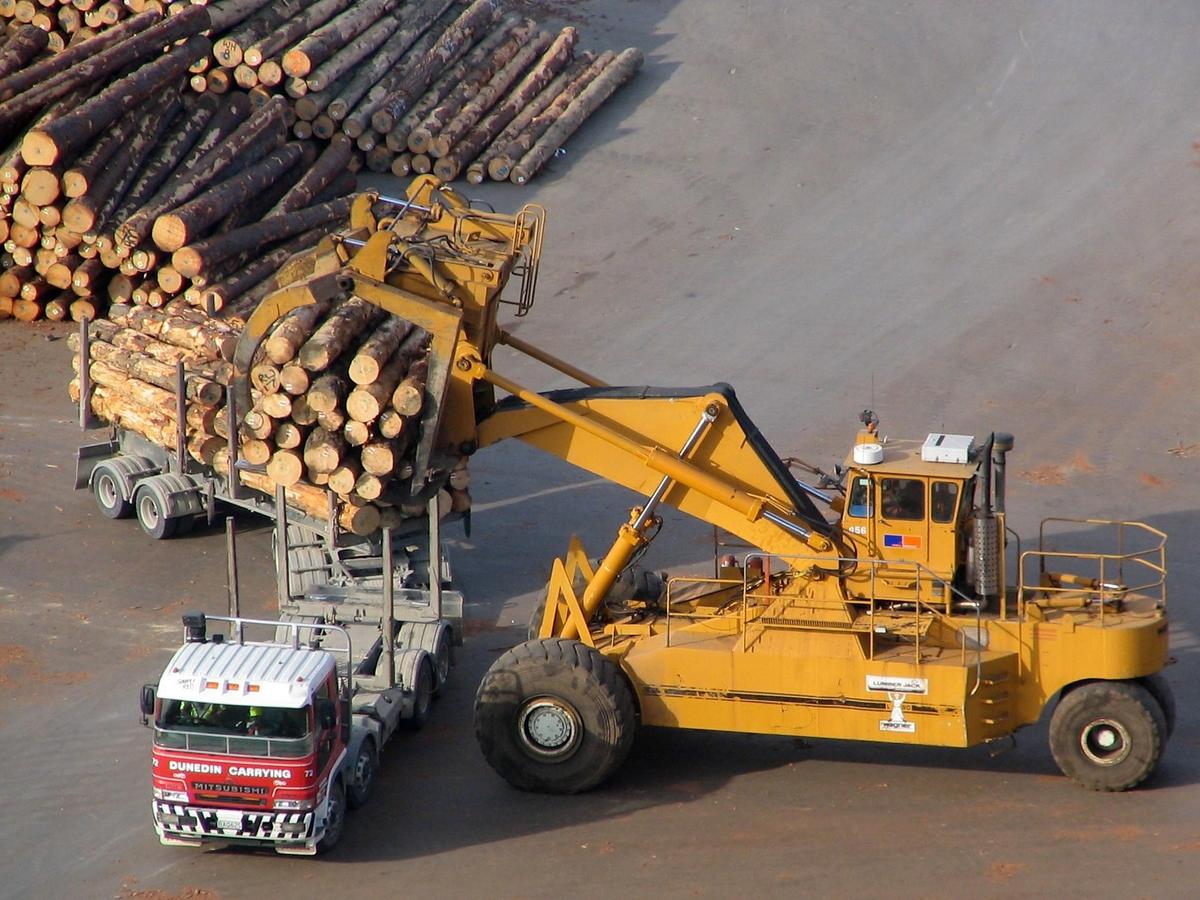
Middle East Diesel Spike Wipes Out 30 Per Cent of Log Volumes at NZ Ports
Why It Matters
The cut in log volumes threatens New Zealand’s timber export revenue and could erode a critical skilled workforce, amplifying supply‑chain risks for domestic mills and overseas buyers.
Key Takeaways
- •Diesel at NZ$4/L (≈US$2.40) cuts contractor margins to zero.
- •Log exports fell >30% as harvests were halted nationwide.
- •Contractors have invested ≈NZ$300 M (≈US$180 M) in equipment since 2013.
- •Electrification trials on loaders and trucks are not yet scale‑ready.
- •Sawmills are cutting shifts due to dwindling log availability.
Pulse Analysis
The recent diesel price spike, sparked by geopolitical tensions in the Middle East, has rippled through global commodity markets and hit New Zealand’s forestry sector hard. While diesel averages NZ$4 per litre—about US$2.40—the surge has pushed operating costs for harvesters, trucks, and export vessels beyond profitability. New Zealand’s reliance on diesel‑powered equipment makes the industry especially vulnerable, and the abrupt price shock has forced a rapid reassessment of cost structures across the entire supply chain.
Forestry contractors, who shoulder the bulk of capital investment, are feeling the pressure most acutely. Since 2013, they have poured roughly NZ$300 million (≈US$180 million) into fleets of harvesters, loaders and log trucks, many of which are family‑owned businesses with limited cash buffers. With margins evaporating, contractors are suspending new felling contracts and redeploying crews to tree‑maintenance tasks, risking a loss of skilled labor that cannot be rebuilt quickly. Although pilot electrification projects are testing hybrid loaders and trucks, the technology is not yet deployed at scale to mitigate the diesel shock.
The downstream effects are already visible at sawmills, which are trimming shifts as log deliveries dwindle. Reduced export volumes threaten New Zealand’s timber trade balance and could prompt broader policy discussions about fuel taxation and renewable‑energy incentives. Industry leaders are calling for coordinated government action to address fuel volatility and accelerate the transition to electric or alternative‑fuel machinery, aiming to safeguard both the sector’s profitability and its long‑term sustainability.
Middle East Diesel Spike Wipes out 30 Per Cent of Log Volumes at NZ Ports
Comments
Want to join the conversation?
Loading comments...