Why It Matters
Higher cold‑storage levels suggest a potential oversupply that could suppress dairy prices and strain processor margins. Monitoring these inventories helps producers, retailers and investors anticipate market adjustments.
Key Takeaways
- •Butter stocks rose 12.6% month‑over‑month to 288.8 M lbs
- •Butter inventory remains 10% below March 2025 levels
- •Cheese inventories increased to 1.4 B lbs, still 1.5% lower YoY
- •American cheese dominates storage with 801.6 M lbs
- •East North Central region holds most dairy cold storage
Pulse Analysis
The USDA’s latest cold‑storage report underscores a nuanced picture for U.S. dairy supply. While butter inventories climbed 12.6% from February, they remain 10% shy of the same month last year, indicating that producers have replenished stocks after a previous drawdown but have not yet reached pre‑pandemic levels. Cheese inventories, meanwhile, edged up to 1.4 billion pounds, a modest gain that still leaves the sector below the 2025 benchmark. This incremental build‑up reflects seasonal production cycles and the lingering effects of shifting consumer demand for premium and functional dairy products.
From a market‑pricing perspective, elevated cold‑storage volumes can exert downward pressure on wholesale dairy prices, especially if demand does not keep pace with supply. Processors may face tighter cash flows as they balance the cost of holding larger inventories against the risk of price erosion. The concentration of storage in the East North Central region—home to the nation’s largest dairy farms—means regional logistics, such as transportation bottlenecks or labor shortages, could amplify price volatility. Retailers, in turn, may adjust promotional strategies to move excess stock, influencing shelf‑life management and promotional pricing.
Looking ahead, analysts will watch whether the current inventory trajectory signals a longer‑term surplus or a temporary seasonal peak. If butter and cheese stocks continue to climb, the USDA may revise its price forecasts downward, prompting producers to temper output or shift to higher‑margin specialty cheeses. Conversely, a sudden demand surge—driven by new product launches or export growth—could quickly absorb excess supply, stabilizing prices. Stakeholders across the dairy value chain should therefore integrate these inventory trends into their risk‑management and pricing models to navigate the evolving market landscape.
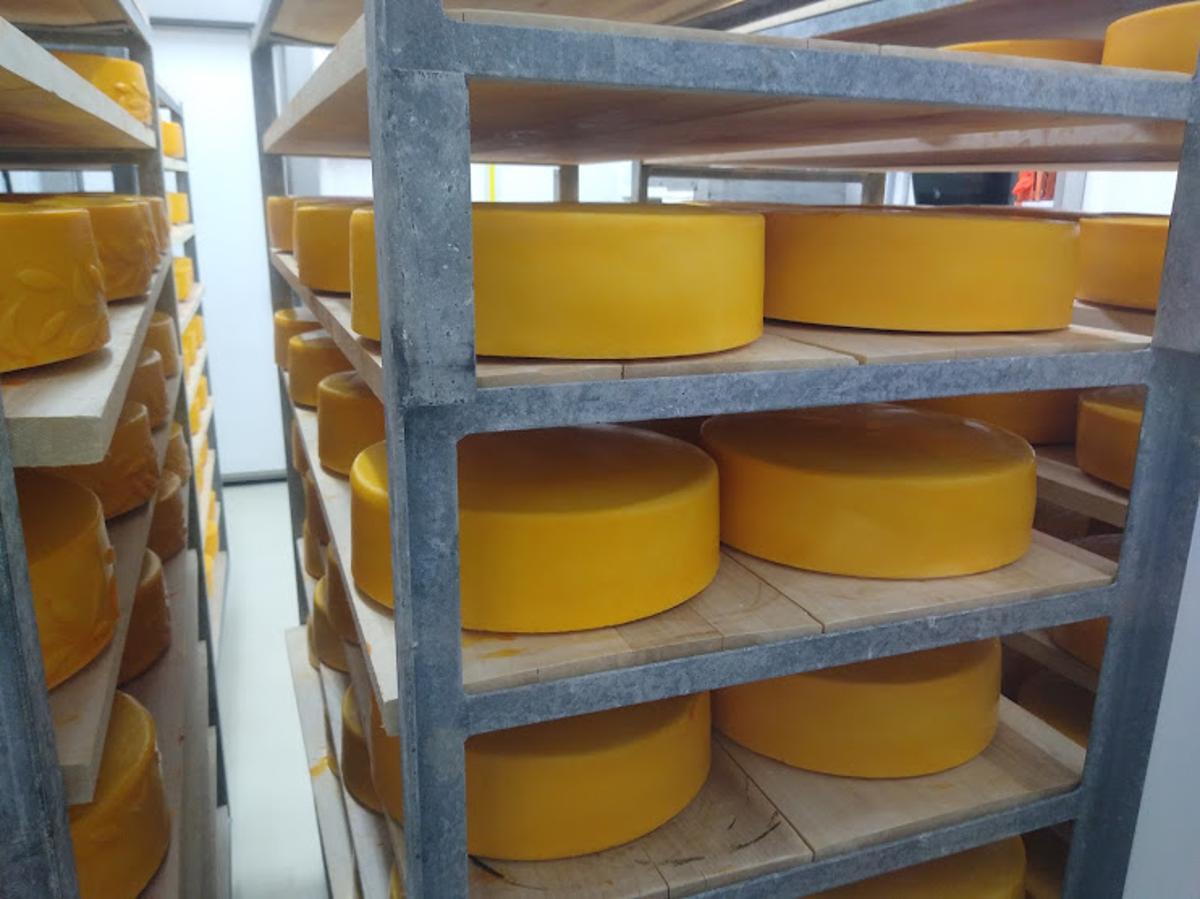
More dairy products are in cold storage
Comments
Want to join the conversation?
Loading comments...